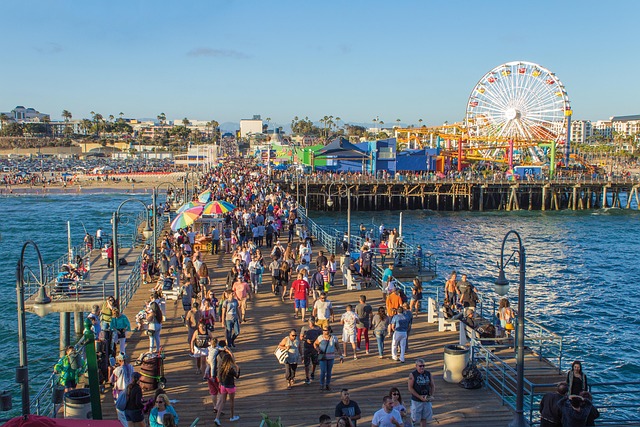
Santa Monica’s volleyball identity begins on the sand. Few places in the United States are more closely tied to the history and image of beach volleyball. The city is not just a place where people play near the ocean. It is part of the sport’s origin story, part of its competitive geography, and part of the Southern California beach culture that helped turn volleyball into both a serious athletic discipline and a public spectacle.
Beach volleyball was already appearing on Southern California beaches in the early and mid-20th century, but Santa Monica became one of the key places where doubles volleyball took shape. Historical accounts of the sport point to Santa Monica as a major early center for two-person beach volleyball, with the first official two-man tournament held at State Beach in Santa Monica in 1947. By the 1940s, doubles tournaments were being played on Santa Monica beaches, and the sport was beginning to move toward the format that would eventually define elite beach volleyball.
That history gives Santa Monica a different volleyball identity from most cities. In many places, volleyball grows through schools, clubs, colleges, or recreation departments. In Santa Monica, the beach itself is the foundation. The court, the weather, the crowd, the ocean, and the local athletic culture all shaped what volleyball became.
The Sand Game as a Serious Sport
Santa Monica beach volleyball is often associated with lifestyle, but that can make people underestimate the athletic seriousness of the scene. Beach volleyball demands a specific type of player. There are only two athletes on the court, which means no hiding in a rotation. Every player must pass, set, hit, serve, block or defend, read the wind, manage the sun, and handle long rallies in the sand. Conditioning matters. Touch matters. Communication matters. A beach player has to solve the game constantly.
That is why Santa Monica has always been more than a postcard location. The sand courts helped develop a volleyball language that differs from indoor volleyball. Instead of six-player systems, specialized substitutions, and structured rotations, beach volleyball rewards complete players. A hitter needs court vision. A defender needs anticipation. A blocker needs discipline. A server needs to attack space, not just power. The best teams operate almost like doubles tennis pairs, reading each other’s movement and adjusting point by point.
Santa Monica’s place in that tradition gives it lasting credibility. The city is part of a larger beach volleyball corridor that includes Manhattan Beach, Hermosa Beach, Venice, and other Southern California sand communities, but Santa Monica has its own identity. It combines historic beach volleyball roots with a public, accessible, urban beach environment. The sport is visible there in a way it is not in gym-based volleyball markets.
A Stage for College and Elite Beach Volleyball
Santa Monica’s volleyball relevance did not stop with early beach history. The city continues to appear in the competitive beach volleyball calendar. Ocean Park Beach in Santa Monica hosted the 2025 Big West Beach Volleyball Championship, placing the city within the modern NCAA beach volleyball structure. The West Coast Conference also staged its beach volleyball tournament in Santa Monica in 2026, another sign that the city remains useful not only as a symbolic location but as a competitive venue.
That connection to college beach volleyball matters. NCAA beach volleyball has given the sport a more structured development pathway, especially for female athletes. For decades, many elite beach players came from indoor volleyball backgrounds and then specialized later. College beach programs have changed that. Athletes now train specifically for beach volleyball at younger ages, learn the two-player game earlier, and use college competition as a bridge to professional beach tours and international play.
Santa Monica sits naturally inside that world. The city has the beach history, the facilities, the climate, and the Southern California player pool to support high-level competition. When college teams compete in Santa Monica, they are not playing at a neutral patch of sand. They are playing in a place that helped create the sport’s competitive identity.
Indoor Volleyball in a Beach-First City
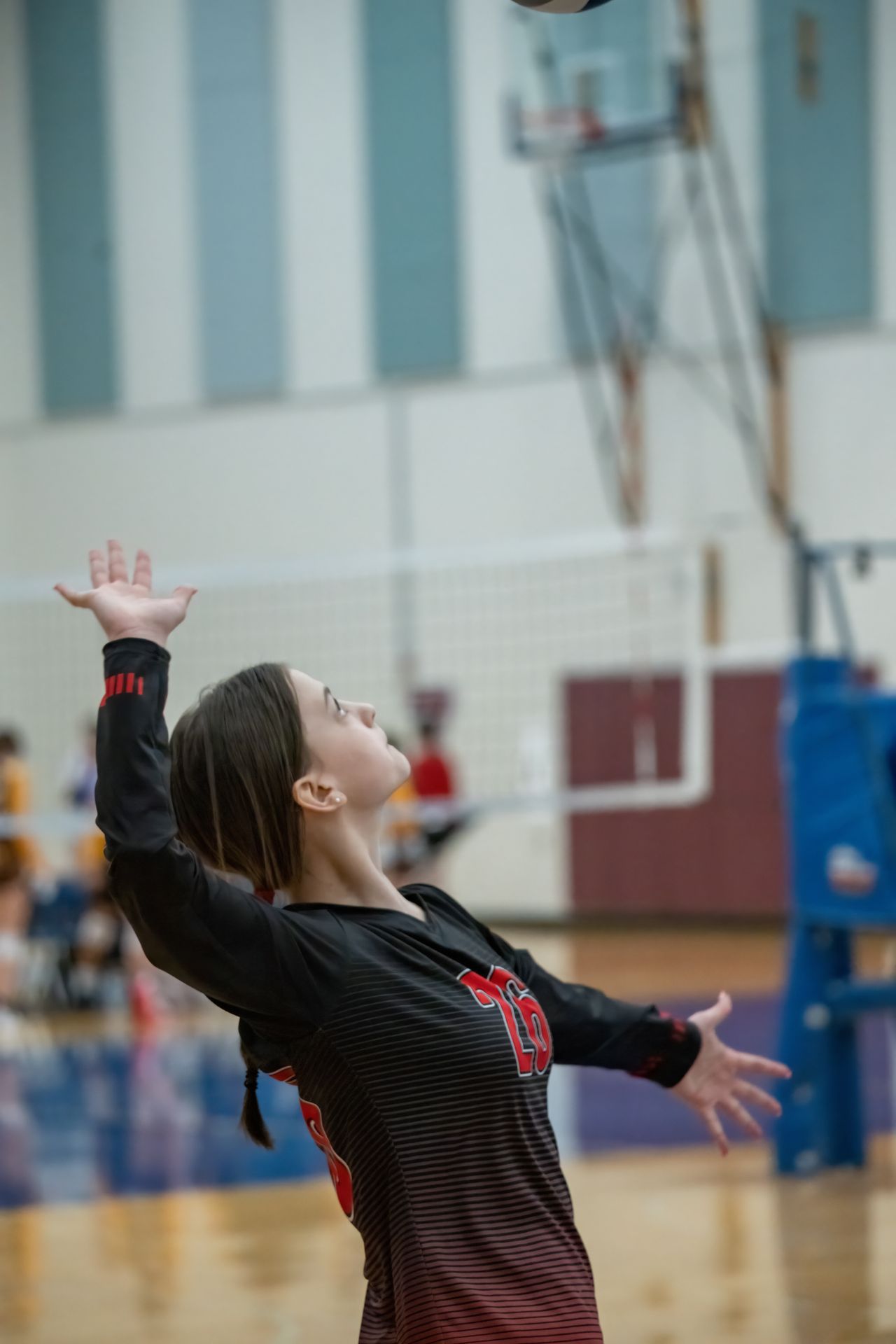
Indoor volleyball exists in and around Santa Monica, but it is not the city’s defining volleyball image. Schools, clubs, recreation programs, and nearby college systems all contribute to the local volleyball base. Many athletes who play beach volleyball also have indoor backgrounds, especially in youth and high school competition. The two versions of the sport often overlap, but in Santa Monica the sand usually has the stronger cultural pull.
That does not make indoor volleyball secondary in quality. It simply means the city’s volleyball identity is oriented differently. In a place like San Jose, the club gym is the center of the volleyball universe. In Santa Monica, the beach court carries more symbolic weight. A young player may still need indoor reps to develop power, blocking, serve receive, and system discipline, but the local environment constantly points back toward outdoor play.
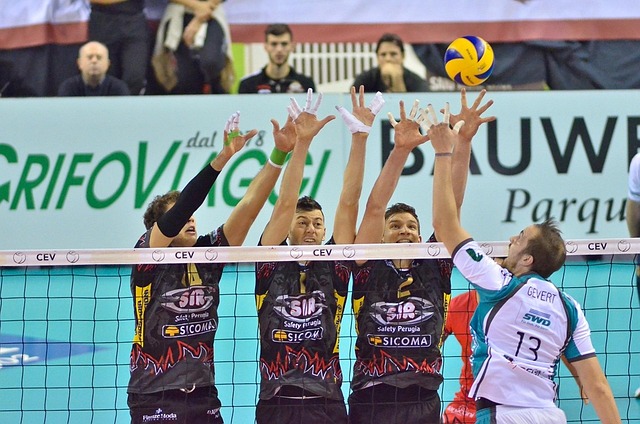
The crossover can create excellent players. Indoor volleyball teaches structure, speed, and role specialization. Beach volleyball teaches independence, touch, and all-around skill. A player who learns both can become more complete. Setters become better defenders. Hitters learn to place shots instead of only swinging hard. Liberos gain a better understanding of space. Middles who move to the sand learn how much of volleyball is reading, not reacting.
Why Santa Monica Still Matters
Santa Monica’s future as a volleyball place is tied to the continued growth of beach volleyball. The Olympic profile of the sport, the expansion of NCAA beach volleyball, and the ongoing strength of Southern California’s sand culture all help keep the city relevant. It may not always be the single most dominant tournament location, and it shares the spotlight with other beach volleyball communities, but its identity is secure.
The city’s challenge is the same one faced by many iconic sports locations: staying accessible while remaining competitive. Beach volleyball needs open courts, community use, youth development, and space for serious training. Santa Monica’s beach culture draws visitors, recreational players, elite athletes, and casual spectators into the same environment. That mix can be powerful, but it also requires balance.
Still, Santa Monica’s role in volleyball is unusually durable. Some cities become volleyball markets because they build clubs. Some become volleyball markets because a university program wins. Santa Monica became a volleyball city because the sport’s beach version grew into itself there. The sand is not decoration. It is the foundation of the city’s volleyball story.