Hawaii volleyball has one of the clearest identities in American volleyball: it is a rare place where indoor volleyball, beach volleyball, school competition, college fandom, and local athletic culture all reinforce each other. In many states, volleyball sits inside the broader school and club sports calendar. In Hawaii, it carries a deeper visibility. The sport belongs to gyms, beaches, parks, colleges, families, and island communities, and that gives Hawaii a volleyball reputation far larger than its population.
The state’s volleyball identity is built on two powerful realities. First, Hawaii has an elite indoor tradition anchored by the University of Hawaii, high school volleyball, and a long history of producing polished players. Second, it has a natural outdoor volleyball culture shaped by climate, beaches, and a year-round relationship with sand and open-air play. That indoor-outdoor combination makes Hawaii different from almost every other American volleyball market.
A Volleyball State with a National Profile
Hawaii’s national volleyball reputation begins with the idea that the sport is not niche there. The University of Hawaii women’s program helped make volleyball a major spectator sport in the islands, and the Rainbow Wahine built one of the most recognizable brands in college volleyball. Their success gave the sport a strong public stage and helped normalize volleyball as something worth following closely, not just playing casually.
The men’s program has added another major layer. Hawaii men’s volleyball has become a national power in the modern NCAA game, giving the state an elite indoor presence on both sides of the sport. That matters because men’s volleyball still has a thinner college footprint than women’s volleyball across much of the United States. In Hawaii, however, elite men’s volleyball is visible, respected, and connected to a wider volleyball culture.
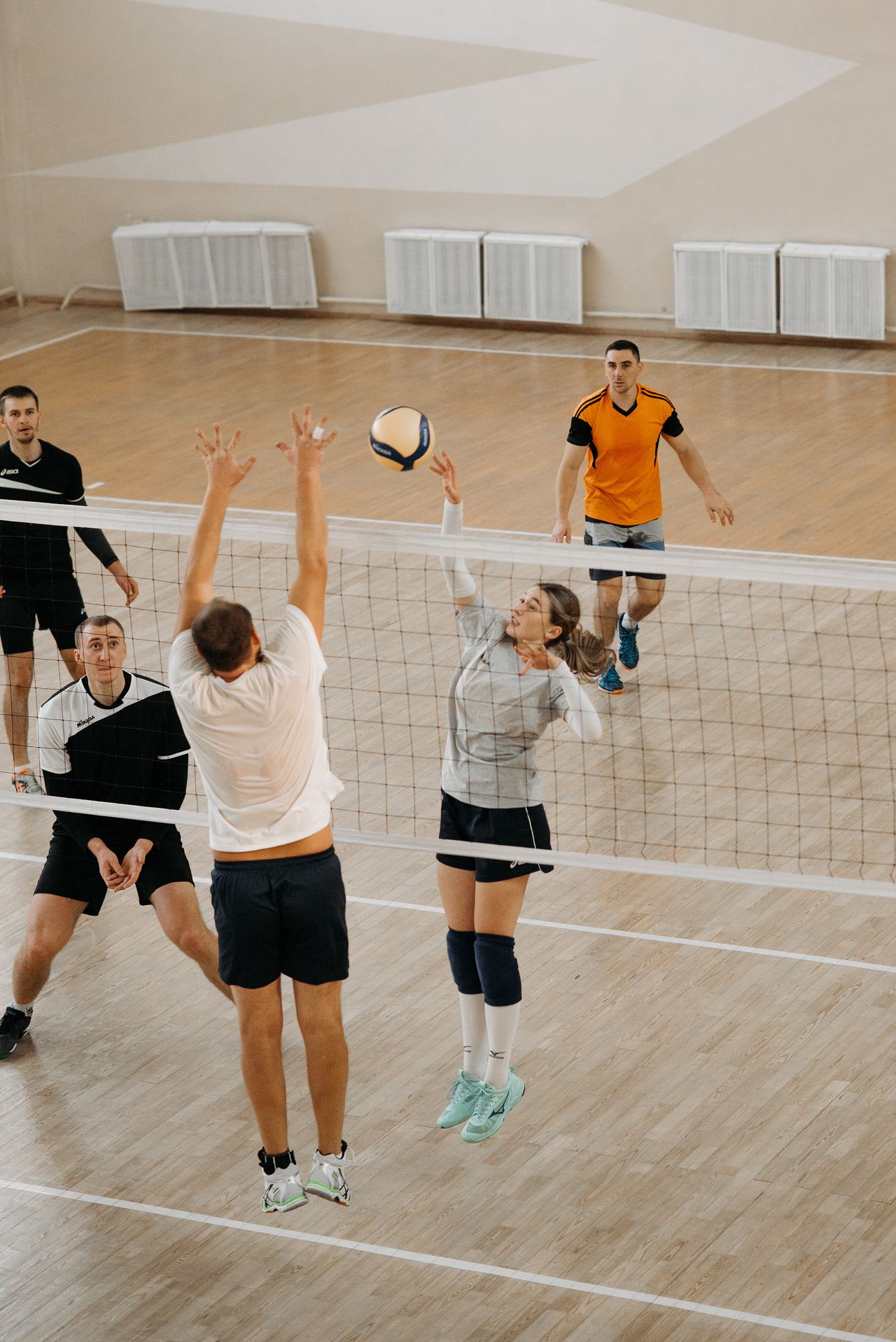
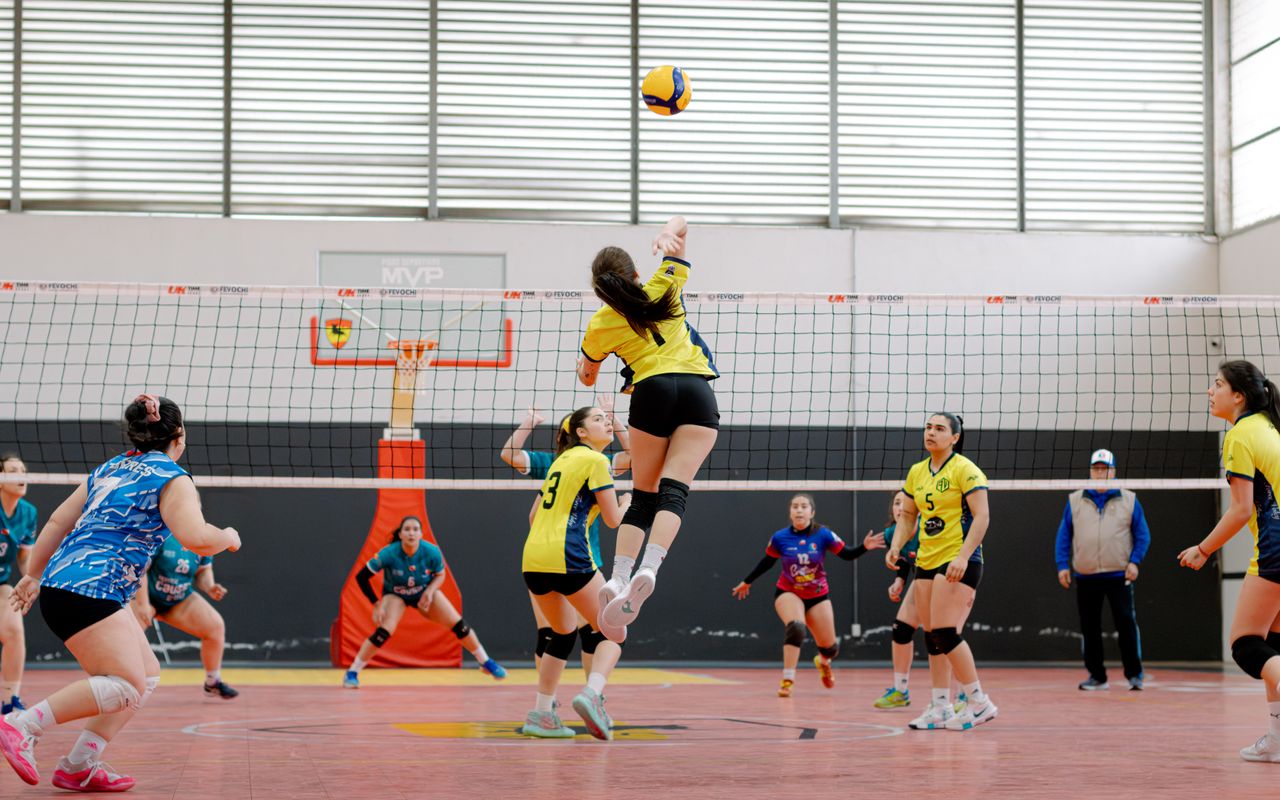
This college presence affects the entire ecosystem. Young players grow up with high-level volleyball close enough to feel real. Local fans understand the sport’s rhythm: the first touch, the setter’s decision, the middle attack, the serve pressure, the block touch that turns defense into transition. That creates a more educated volleyball audience than most places can claim.
The Rainbow Wahine Standard
The University of Hawaii women’s volleyball program has long been central to the state’s volleyball identity. The Rainbow Wahine are not simply a college team located in Hawaii; they are part of the state’s sports fabric. Their history of success helped build generations of fans and gave girls’ volleyball in the islands an aspirational center.
For high school and junior players, the Rainbow Wahine represent what local volleyball can become when athleticism, skill, discipline, and crowd support meet at a high level. Hawaii players have often been technically sound, defensively sharp, and comfortable with the sport’s speed. The state’s best athletes are usually not just big hitters. They tend to be complete volleyball players who understand serve receive, floor defense, coverage, and momentum.
That all-around quality fits Hawaii’s volleyball environment. The islands do not have unlimited athlete pools compared with California, Texas, or Florida. Hawaii’s strength comes from culture, coaching, repetitions, and competitive seriousness. Players who come through the state often learn to play the whole game because volleyball is not treated as a secondary athletic activity.
Men’s Volleyball and Island Power
Hawaii’s men’s volleyball reputation has grown into one of the strongest in the country. The Rainbow Warriors have been a major force in NCAA men’s volleyball, and their rise has strengthened Hawaii’s image as one of the few states where elite men’s volleyball is truly prominent.
Men’s volleyball in Hawaii benefits from the state’s general comfort with the sport. Boys can see volleyball as a legitimate competitive path, not just an alternative to more mainstream sports. The physical profile of the game also fits Hawaii’s athlete base: explosive jumpers, quick defenders, versatile attackers, and players who understand how to compete in tight spaces.
The men’s indoor game also connects naturally with the beach scene. Hawaii players often grow up around multiple versions of volleyball, and even when indoor is the main track, outdoor play can sharpen touch, reading, ball control, and competitive creativity. That crossover is one reason Hawaii’s volleyball players often look comfortable in chaotic rallies. The sport in the islands rewards adaptability.
Beach Volleyball as More Than a Side Scene
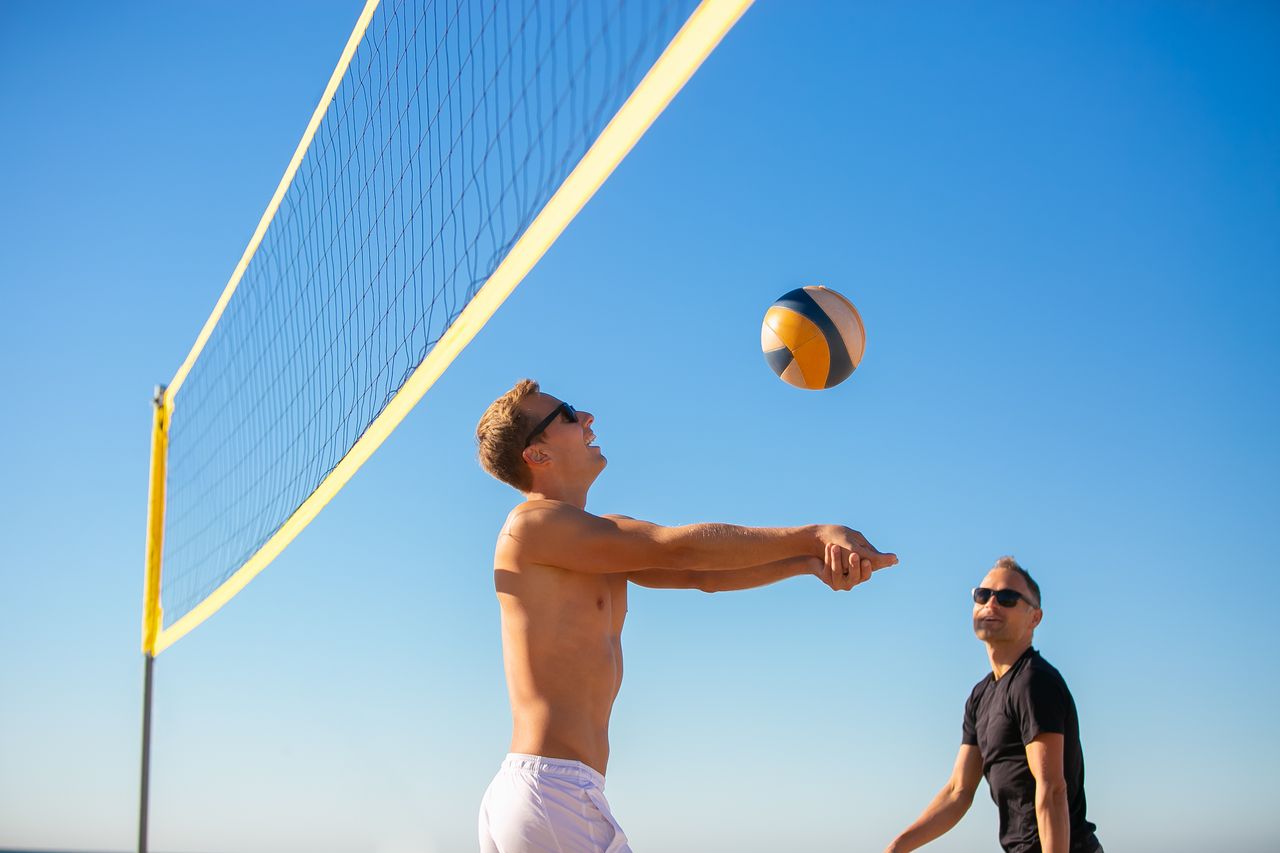
Beach volleyball in Hawaii is not a novelty or a seasonal add-on. It fits the landscape. Sand courts, coastal parks, warm weather, and a long outdoor sports tradition make beach volleyball feel natural rather than imported.
The beach game in Hawaii has several layers. At the casual level, it is part of the recreational fabric. At the competitive level, it can serve as a real developmental pathway, especially for players who want to improve ball control, court vision, conditioning, and one-on-one responsibility. Beach volleyball forces players to handle every contact. There is no hiding in a rotation. A player must pass, set, attack, block or defend, and solve the game in real time.
That skill transfer matters for Hawaii’s indoor players as well. Outdoor volleyball helps produce athletes who read the game well. Wind, sand, short courts, and two-player systems all demand precision. A player who learns to manage those variables often develops a calmer volleyball brain indoors.
Hawaii’s beach identity also gives the state a visible national image. When people think of volleyball in Hawaii, they think of both packed indoor crowds and sand courts near the ocean. Few places can claim that combination without forcing it.
High School Volleyball and Local Pride
High school volleyball is one of the sport’s strongest community anchors in Hawaii. School competition gives volleyball structure across the islands and helps create the local pride that feeds the larger scene. Matches can feel personal because schools represent communities, families, and island identities.
Girls’ volleyball has especially strong roots, but boys’ volleyball also carries weight. That balance matters. In many parts of the country, girls’ volleyball is highly organized while boys’ volleyball remains underdeveloped. Hawaii has a more complete volleyball culture, with both boys and girls seeing the game as competitive and meaningful.
The best high school programs are often judged not only by wins, but by their discipline. Good Hawaii volleyball usually means clean first contact, controlled serving, fast transitions, and players who understand their roles. Coaches can build sophisticated teams because many athletes arrive with real volleyball literacy.
Player Pathways from Island Gyms to Bigger Stages
Hawaii’s geography creates both strengths and limitations. The state is isolated from the large mainland club circuits that dominate recruiting in places like Southern California, Texas, and the Midwest. Travel is expensive, and exposure can be harder. But that same isolation also strengthens local identity. Players compete in a tight volleyball environment where reputation matters and where the best athletes often see each other repeatedly.
For elite players, the pathway can lead to the University of Hawaii, mainland college programs, beach volleyball opportunities, or professional volleyball overseas. The key is that Hawaii players often carry a recognizable profile: technically trained, competitive, resilient, and comfortable in volleyball environments that expect skill rather than raw physicality alone.
Club volleyball helps fill the gap between school competition and college-level recruiting. Camps, tournaments, and mainland travel opportunities all matter, but Hawaii’s player development is not only about exposure. It is about repeated contact with a serious volleyball culture.
The Sound and Feel of Volleyball in Hawaii
Volleyball in Hawaii has atmosphere. College matches can feel like major state sporting events. High school gyms can carry family and community energy. Beach games can be competitive without losing the outdoor rhythm that makes the sport feel connected to place.
That range is the heart of Hawaii volleyball. The state can produce elite NCAA teams and still feel deeply local. It can celebrate a national championship contender and still value the school gym, the neighborhood court, and the beach rally at sunset. Volleyball does not have to choose one identity in Hawaii. It is indoor and outdoor, elite and recreational, technical and emotional, local and national.
Where Hawaii Volleyball Goes Next
The future of Hawaii volleyball rests on maintaining that balance. The state already has the culture. It already has the fan base. It already has a proven college platform and a natural beach environment. The challenge is continuing to create pathways for players in a national volleyball landscape that keeps getting more competitive, more specialized, and more recruiting-driven.
Hawaii’s advantage is authenticity. Volleyball is not being built from scratch there. It is already woven into the state’s sports life. As women’s volleyball continues to grow nationally, as men’s volleyball expands, and as beach volleyball gains more collegiate and international visibility, Hawaii is well positioned to remain one of America’s most distinctive volleyball states.
The state’s volleyball story is not only about trophies or famous programs. It is about a place where the game makes sense. The gym and the beach both matter. The crowd understands the details. Young players can see a future in the sport. That is why Hawaii’s volleyball identity remains so strong: it is not a borrowed identity. It belongs to the islands.