Hilton Head’s volleyball identity is shaped by sand, tourism, warm weather, and a coastal sports culture that turns recreation into something more serious than casual play. This is not a traditional indoor volleyball powerhouse built around large school gyms, major college programs, or a dense professional structure. Hilton Head is better understood as a resort and outdoor volleyball market: a place where the sport fits naturally into the beach environment, vacation rhythm, junior athletic development, and adult recreational life of the South Carolina Lowcountry.
Volleyball on Hilton Head carries a different kind of energy than volleyball in a major club city. The island does not need a massive arena or nationally prominent college program to have a clear volleyball personality. Its identity comes from the relationship between sport and setting. The beach is not just scenery. It is the foundation for how many people first encounter volleyball there. Sand courts, resort play, summer visitors, school athletes, and active adults all contribute to a scene where volleyball is tied closely to movement, weather, and community rather than one dominant institution.
A Beach-First Volleyball Culture
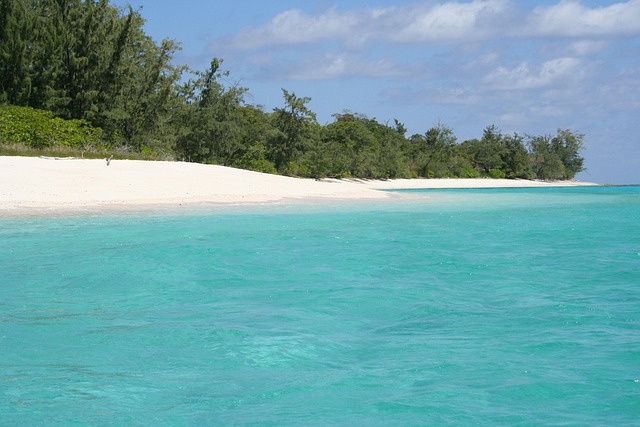
Hilton Head’s strongest volleyball identity comes from beach and outdoor play. The island’s athletic culture is already built around sports that suit the coast: tennis, pickleball, golf, biking, running, water sports, and beach activities. Volleyball fits into that same ecosystem because it is accessible, social, competitive, and easy to understand even for players who do not come from a formal indoor background.
Beach volleyball on Hilton Head is often connected to the island’s visitor economy, but it should not be dismissed as purely casual. Resort volleyball can be light, social, and family-oriented, but it also introduces players to the sport in a way that indoor volleyball often cannot. The smaller court, two-player or four-player formats, and constant involvement make the game immediate. Players have to pass, set, attack, communicate, and read the court without hiding inside a specialized role. That makes sand volleyball especially useful for developing touch, control, court awareness, and all-around athleticism.
For younger athletes, beach volleyball can supplement indoor training by forcing better footwork, cleaner ball control, and stronger defensive instincts. For adults, it offers a competitive outlet that does not require a full six-on-six roster or a formal league structure. For visitors, it gives the island a recognizable volleyball image: sun, sand, quick rallies, and games that can shift from casual to serious depending on who steps onto the court.
Indoor Volleyball in a Smaller Market
Hilton Head’s indoor volleyball scene operates differently from the sport in larger metro areas. It is not defined by the sheer volume of clubs, gyms, and high school programs found in places such as Atlanta, Houston, or Orlando. Instead, indoor volleyball here is more regional. Hilton Head athletes often exist within the broader Lowcountry sports network, with school programs, regional clubs, and nearby communities helping shape the competitive pathway.
That creates a volleyball environment where serious players may need to look beyond the island itself for higher-level competition. This is common in smaller coastal markets. The local scene can introduce and sustain the sport, but elite development often depends on regional travel, club tournaments, private coaching, school competition, and exposure events elsewhere in South Carolina, Georgia, or the wider Southeast.
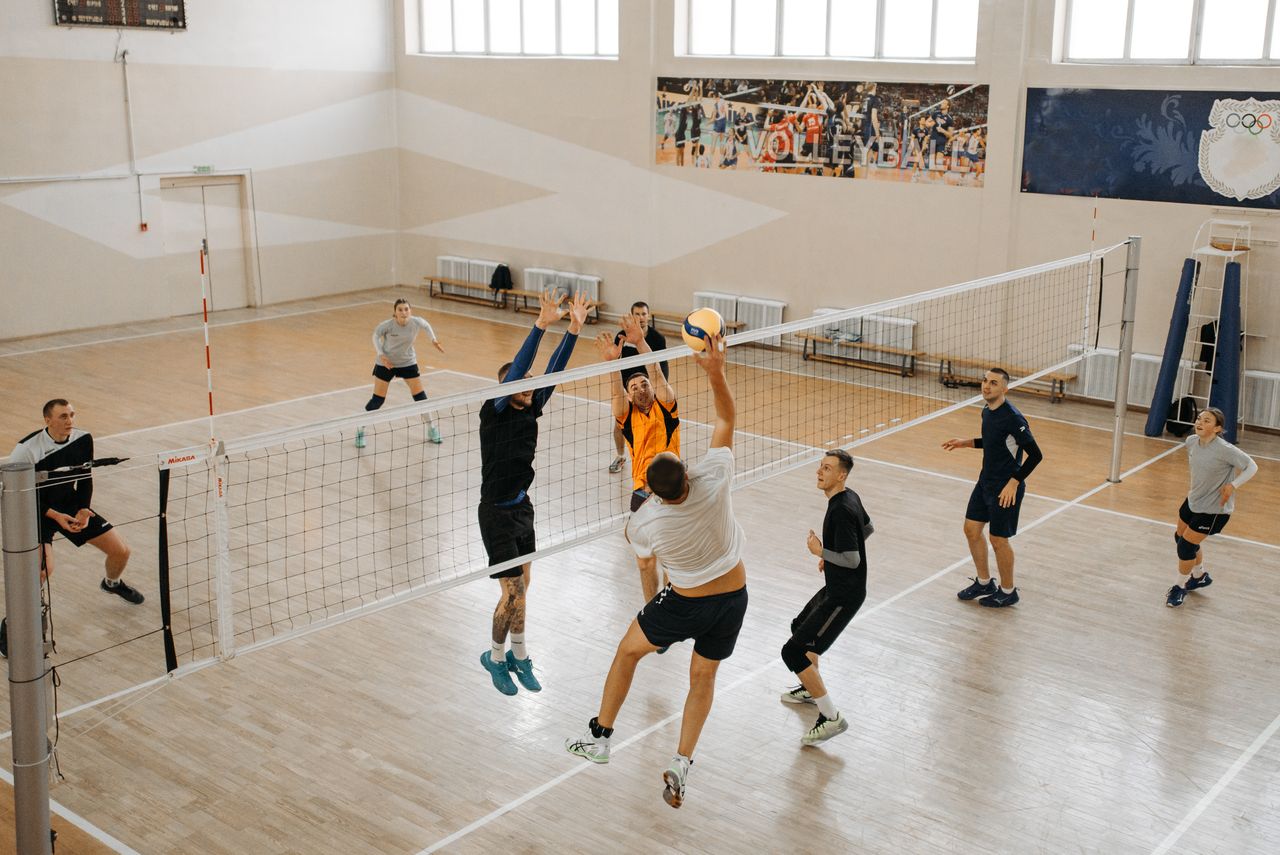
For players who stay within the island’s immediate sports culture, indoor volleyball still matters because it provides structure. School volleyball introduces athletes to systems, rotations, serve receive, defensive positioning, and the specialized roles that define the indoor game. Setters learn tempo and decision-making. Liberos learn reading angles and controlling first contact. Middles develop blocking footwork and quick attacks. Outsides carry passing responsibility while also becoming primary point scorers. Even in a smaller market, those fundamentals give the sport a competitive spine.
The Lowcountry Development Pathway
Hilton Head volleyball development is best understood through geography. The island is part of a wider coastal region where athletes, families, and coaches often move between communities for stronger competition. That means volleyball growth depends less on one flagship institution and more on connected pathways: school teams, regional clubs, camps, beach training, and tournament travel.
The island’s athletic population also includes a mix of permanent residents, seasonal residents, and visitors. That gives volleyball a broader participation base but can make the elite pathway more fragmented. A local player might begin with school volleyball, play beach during warmer months, train with a regional club, attend camps elsewhere, and face stronger competition by traveling off-island. This model does not always produce the visibility of a large urban club hub, but it can produce versatile athletes because players are exposed to both indoor and outdoor versions of the game.
Beach volleyball can be especially important in that development process. Sand training rewards players who can read the game, manage imperfect contacts, and create offense without a perfect set. It also builds endurance and balance in ways that translate well to indoor defense and serve receive. For a Hilton Head athlete, the ability to move between indoor and beach volleyball can become a practical advantage.
A Volleyball Scene Built Around Lifestyle and Competition
Hilton Head’s volleyball culture has a lifestyle component that stronger indoor markets often lack. Volleyball here is connected to the way people use the island. It fits into family trips, resort recreation, summer training, adult fitness, school sports, and outdoor community life. That makes the sport visible even when it is not always organized around large spectator events.
The island’s broader sports identity also helps volleyball. Hilton Head is accustomed to being a place where people come to play, train, compete, and stay active. Golf and tennis may have more established reputations, but volleyball benefits from the same active-resort environment. It is a sport that can be picked up casually, then pursued seriously. That flexibility matters in a market where the line between vacation sport and competitive sport can be thin.
Adult volleyball also has a natural place in this kind of setting. Sand and recreational volleyball give former school or club players a way to keep competing without the demands of a full indoor season. The game can be social, but it still rewards skill. Good passing, smart shot selection, serve pressure, and court communication separate experienced players from casual ones quickly.
Where Hilton Head Volleyball Goes Next
The future of volleyball on Hilton Head is likely tied to outdoor growth, regional club access, and the continued rise of beach volleyball as a serious development tool. The island is not likely to become an indoor volleyball powerhouse in the mold of major metro areas, but it does not need to be. Its best volleyball identity is more specific: a coastal market where beach play, school participation, regional competition, and active adult culture overlap.
If the sport continues to grow, Hilton Head’s strongest opportunities will come from building clearer pathways between recreational play and competitive training. More structured beach programming, stronger connections to Lowcountry clubs, and better visibility for school athletes could all raise the level. The island already has the setting. The challenge is turning that setting into a more consistent volleyball ecosystem.
Hilton Head’s volleyball story is not about mass participation at the scale of a major city. It is about a beach-oriented sports culture where volleyball belongs naturally. The sport fits the island because it is athletic, social, technical, and adaptable. In Hilton Head, volleyball feels less like an imported activity and more like a game that matches the rhythm of the coast.