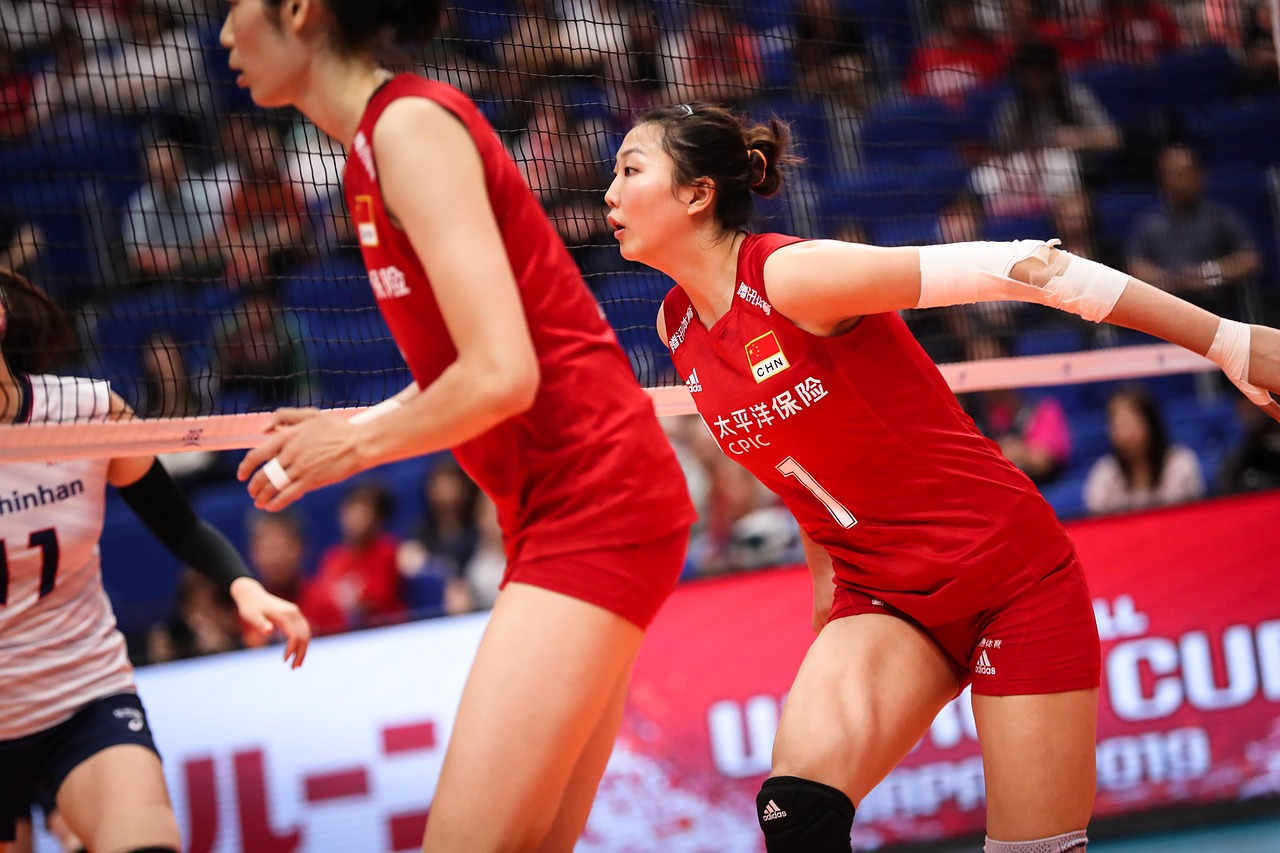
Georgia volleyball is best understood as a school-and-club development state with a growing college profile and one major metro area that drives much of the sport’s competitive energy. Unlike Florida, Georgia’s volleyball identity is not centered on beaches or year-round outdoor culture. It is built in gyms: high school gyms, club facilities, college arenas, and tournament sites across the Atlanta region and beyond. The state’s volleyball reputation comes from organization, growth, coaching, and a junior pipeline that has become increasingly relevant in the Southeast.
Atlanta is the center of gravity, but Georgia volleyball is not only an Atlanta story. Athens, Statesboro, Macon, Savannah, Augusta, Columbus, and the northern suburbs all contribute to the player base. Still, the state’s strongest volleyball signal comes from the club-heavy metro Atlanta environment, where large suburban school systems and competitive junior programs have helped Georgia become a more serious recruiting territory.
Atlanta as the Engine of the State
Metro Atlanta gives Georgia volleyball its scale. The region has the population density, school systems, private training demand, tournament infrastructure, and travel access to support a serious junior volleyball market. This is where Georgia’s volleyball identity becomes most visible. Families are willing to commit to club seasons. Athletes are exposed to stronger competition earlier. Coaches can build deeper rosters. Tournaments bring together teams from Georgia, Alabama, Tennessee, the Carolinas, and Florida.
A5 Volleyball is one of the most recognizable names in that ecosystem. The club describes itself as a top-ranked national junior club for girls and boys, with programming that reaches young athletes in Atlanta and across the South. Whether viewed through rankings, recruiting visibility, or sheer brand recognition, A5 has helped place Atlanta on the national junior volleyball map. Its presence gives Georgia something every serious volleyball state needs: a club program that can train athletes for high-level travel competition and put them in front of college recruiters.
That club influence changes how volleyball is played in Georgia. Strong junior programs raise expectations around serve receive, positional specialization, tempo, physicality, and tactical discipline. A young outside hitter is not just learning to swing hard; she is learning how to pass under pressure, attack out of system, read blocks, and manage high-error rotations. A setter is not just learning location; she is learning decision-making, tempo variation, and leadership. A libero is not just a defensive player; she is a serve-receive organizer and transition starter.
Georgia Tech and the College Volleyball Standard
Georgia Tech has become the state’s most prominent recent college volleyball program. The Yellow Jackets’ selection to the 2025 NCAA Division I Women’s Volleyball Championship marked their sixth consecutive NCAA Tournament appearance and 15th appearance in program history. That kind of consistency gives Georgia volleyball a visible college anchor, especially in a state where football dominates the sports conversation.
Tech’s importance is not only about postseason appearances. It gives elite junior players in Georgia a nearby example of ACC-level volleyball: physical pin attackers, disciplined blocking, high-level scouting, and matches where serve-pass quality decides whether a team can run its offense. For the broader state, Georgia Tech also helps validate volleyball as more than a participation sport. When a local college program is repeatedly in the NCAA Tournament, it gives the state’s athletes and coaches a clearer elite reference point.
The ACC setting also matters. Georgia Tech is not building its program in isolation; it competes in a conference that has become increasingly demanding in women’s volleyball. That exposes the program to different styles: physical blocking teams, fast offensive systems, strong serving teams, and nationally recruited rosters. For Georgia volleyball, Tech’s sustained relevance raises the state’s profile beyond the club scene.
Athens, the SEC, and the Broader College Layer
The University of Georgia gives the state another important college volleyball identity. The Bulldogs compete in the SEC, a conference where volleyball has become stronger, more physical, and more nationally visible. Georgia’s volleyball page reflects an active SEC program with current scheduling, recruiting, and postseason news around the Bulldogs. While Georgia Tech has had the stronger recent national profile, the Bulldogs still matter because Athens is the state’s flagship university environment and the SEC remains a major stage.
Georgia’s college layer also includes programs outside the two biggest names. Georgia State, Kennesaw State, Georgia Southern, Mercer, and other institutions help give in-state athletes more options and expand the competitive map. Not every player will become an ACC or SEC recruit, but a healthy volleyball state needs multiple college levels. The more programs that recruit, train, and compete within the state, the more realistic the pathway becomes for athletes who develop later or fit a specific system.
That is especially important in volleyball because recruiting can be highly positional. A 6-foot-2 middle blocker, a six-rotation outside, a left-handed opposite, a defensive specialist, and a setter may all have different timelines and different college fits. Georgia’s volleyball development benefits when athletes do not see the pathway as all-or-nothing.
The Southern Region and the Tournament Culture
Georgia’s club volleyball structure is tied into the Southern Region Volleyball Association, which identifies itself as one of USA Volleyball’s 40 regional governing bodies and includes all of Georgia along with parts of Alabama and Tennessee. That regional connection is important because Georgia volleyball is shaped by the wider Southeast. The state is not competing only internally. Its clubs and athletes are constantly measured against programs from neighboring states, and that regional pressure helps sharpen the level.
Tournament culture is central to that development. In a state like Georgia, volleyball growth depends on whether athletes can get regular meaningful competition. Club tournaments create that environment. They force players to manage long days, quick turnarounds, scouting adjustments, emotional swings, and the physical demands of repeated matches. Those conditions reveal which players can pass consistently, which hitters can score against organized blocks, which setters can keep an offense balanced, and which teams can survive out-of-system rallies.
This is also where Georgia’s volleyball character differs from beach-heavy states. Georgia athletes are usually shaped by indoor repetition: controlled gyms, structured rotations, system defense, and high-volume club schedules. The result is a state that tends to produce players comfortable within organized team systems. The best Georgia teams are not simply athletic; they are trained.
High School Volleyball and the Suburban Pipeline
High school volleyball gives Georgia its widest participation base. The state’s suburban growth has been important for the sport because volleyball thrives in communities with large school systems, strong parent support, and enough athletes to create competitive rosters. In metro Atlanta especially, high school volleyball and club volleyball reinforce each other. Players use high school seasons to represent their communities, then use club seasons to chase stronger competition and recruiting exposure.
That dual structure can create a serious volleyball rhythm. Fall belongs to school pride, rivalries, region matches, and state playoff goals. Club season becomes more specialized, more travel-focused, and more recruiting-oriented. The athletes who handle both environments well often become the state’s strongest prospects because they learn to adapt. They play for different coaches, in different systems, with different teammates, and under different kinds of pressure.
Georgia’s challenge is making sure that growth reaches beyond the strongest suburban pockets. Volleyball can become top-heavy when the best training, facilities, and recruiting exposure are concentrated in a few areas. The next phase of Georgia volleyball depends partly on whether more communities outside the Atlanta orbit can develop deeper coaching pools and stronger youth systems.
Georgia’s Volleyball Future
Georgia’s volleyball future is promising because the state has the ingredients that matter most: a major metro engine, nationally visible club volleyball, ACC and SEC college platforms, a regional tournament structure, and a growing base of school athletes. It does not need to become a beach volleyball state to have a serious volleyball identity. Its path is different. Georgia’s strength is the gym game.
The state’s next step is competitive depth. Georgia already has recognizable programs and high-level athletes. The question is how broad the base can become. If more clubs outside metro Atlanta improve, if boys volleyball gains more traction, if college programs continue to elevate their schedules and recruiting, and if high school programs keep developing complete players rather than just tall athletes, Georgia’s reputation will keep rising.
Georgia volleyball is not defined by one dynasty or one coastline. It is defined by a pipeline: school to club, club to tournament, tournament to college, and college to broader recognition. That pipeline has already made the state one of the more important volleyball markets in the Southeast. The more organized and ambitious that system becomes, the more Georgia will matter nationally.