Mississippi volleyball is a developing Southern volleyball market with a different profile from the traditional national powers. The state is not defined by a long list of NCAA Final Four teams, Olympic beach volleyball names, or a decades-old professional volleyball culture. Its identity is more grounded than that: high school programs, SEC visibility, growing club participation, and a warm-weather recreational environment that gives the sport room to expand.
That makes Mississippi an interesting volleyball state. It sits in a region where football dominates the public sports conversation, basketball has deep roots, baseball and softball carry major weight, and volleyball has had to build its place more gradually. The sport’s growth in Mississippi has not come from one overwhelming institution. It has come through schools adding competitive structure, universities investing in women’s volleyball, junior players seeking stronger training, and communities becoming more familiar with the sport’s pace and skill.
Mississippi volleyball should be understood as a growth market, but not an empty one. The state has real competitive anchors. Ole Miss and Mississippi State give volleyball a place in the SEC, one of the most visible college sports conferences in the country. High school volleyball gives younger players a formal route into the sport. Club programs and regional tournaments connect Mississippi athletes to broader Southern competition. Outdoor and recreational play add another layer, especially in warmer months and community settings.
Building Volleyball in a Football-First State
Any honest profile of Mississippi volleyball has to begin with the state’s sports hierarchy. Football is the dominant athletic language. Friday nights, SEC Saturdays, and recruiting culture shape how many communities think about sports. That creates both a challenge and an opportunity for volleyball.
The challenge is visibility. Volleyball has to work harder for attention, media space, and casual fan recognition. A great high school volleyball team in Mississippi may not automatically receive the same level of public attention as a football team with a winning season. A college volleyball match may be competing against a crowded fall sports calendar. That does not mean the sport lacks value; it means its growth depends on sustained infrastructure rather than broad cultural momentum.
The opportunity is athletic. Mississippi produces explosive, competitive athletes. In volleyball terms, that matters. A state with speed, vertical athleticism, strong multi-sport participation, and competitive school environments has raw material for the sport. The key is converting that athletic base into volleyball skill: passing under pressure, serving with intent, reading attackers, developing setters, training middles, and teaching hitters how to score against organized blocks.
That is where Mississippi’s volleyball future will be decided. The state’s ceiling rises when athleticism meets volleyball-specific coaching. A powerful jumper can become a terminating outside hitter. A quick basketball guard can become a libero or defensive specialist. A tall multi-sport athlete can become a middle blocker if she learns footwork, timing, and blocking discipline early enough. Mississippi has the athletes. The developmental question is how consistently the volleyball system can identify and train them.
Ole Miss, Mississippi State, and SEC Visibility
The presence of Ole Miss and Mississippi State gives volleyball in Mississippi a higher ceiling than it would have without SEC programs. Even when those programs are not national title contenders, they matter because they place the sport inside a major college athletics environment. SEC volleyball brings recognizable opponents, televised matches, strong facilities, and a competitive standard that local players can measure themselves against.
Ole Miss volleyball gives the northern part of the state a major collegiate reference point. In Oxford, volleyball exists within one of the most recognizable college sports brands in the South. The Rebels’ challenge is the same challenge many SEC volleyball programs face: building consistency in a conference where the competitive bar keeps rising. The league has become more serious across the board, and programs that want to climb have to recruit size, ball control, and depth at every position.
Mississippi State has added its own important chapter to the state’s volleyball profile. The Bulldogs’ 2021 NCAA Tournament appearance was a major marker for the program and for volleyball in the state. For a Mississippi athlete, seeing an in-state SEC program reach the national tournament matters. It gives the sport a more concrete image. It shows that volleyball in Mississippi can connect to the national college postseason, not just local school competition.
The Ole Miss-Mississippi State rivalry also gives volleyball a familiar sports frame inside Mississippi. Rivalries help people understand stakes. They turn a schedule into something more emotional than standings and records. When the Rebels and Bulldogs meet in volleyball, the match carries the same state-line intensity that defines their broader athletic relationship, even if the sport’s public profile is smaller than football or baseball.
High School Volleyball and the Development Base
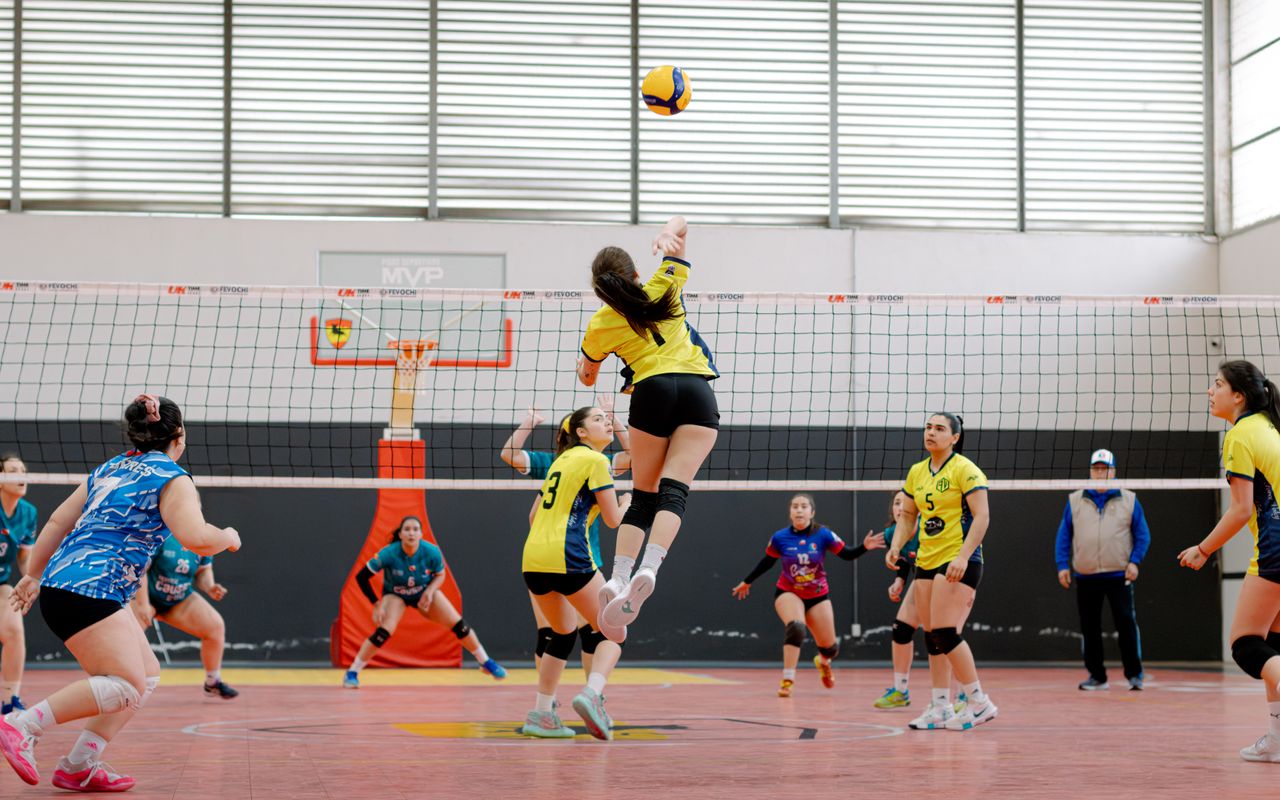
High school volleyball is the most important participation engine in Mississippi. It introduces athletes to structured competition, gives communities a reason to follow the sport, and creates the first real layer of player identity. For many Mississippi players, the school team is where they first learn what volleyball demands beyond simply keeping the ball alive.
At the high school level, the sport’s growth depends heavily on coaching quality. Volleyball can look simple to new spectators, but development is technical. Players need to learn serve receive, defensive positioning, transition movement, setter decision-making, blocking footwork, and attacking range. The difference between a casual team and a serious program is often the quality of those details.
Mississippi’s best high school programs are important because they normalize that seriousness. They show younger athletes that volleyball is not just a fall activity between other sports. It is a game with its own physical profile and tactical language. Strong programs create setters who understand tempo, hitters who can manage bad sets, liberos who control seams, and middles who know how to close blocks rather than simply jump.
The state’s school geography creates both concentration and gaps. Larger districts and private-school programs may have more access to year-round volleyball resources. Smaller or more rural communities may rely on committed coaches and multi-sport athletes. That unevenness is common in emerging volleyball states. The long-term question is whether more players can access strong training before high school, when technical habits are easiest to build.
Club Volleyball and the Southern Competition Map
Club volleyball is where Mississippi players can connect to a wider competitive world. Because the state does not have the same density as larger volleyball markets, travel and regional competition become especially important. Mississippi athletes often need exposure to teams from surrounding states to sharpen their game and understand the level required for college recruitment.
The broader Southern volleyball map matters here. Mississippi sits near volleyball markets in Tennessee, Alabama, Louisiana, Arkansas, and Texas. That regional setting gives ambitious players a chance to test themselves beyond local competition. Club tournaments can expose Mississippi athletes to faster offenses, bigger blocks, tougher servers, and more disciplined defensive teams. That kind of match pressure is essential for development.
Club volleyball also gives players position-specific training that school seasons may not always provide. Setters need thousands of touches. Liberos need serve-receive reps against real pace. Middles need timing work. Pin hitters need to learn how to score from the left side, right side, back row, and out-of-system situations. In a developing volleyball market, club training often becomes the bridge between athletic potential and college-level readiness.
Outdoor Volleyball and Recreational Growth
Mississippi is not a beach volleyball state in the same way as California, Florida, Hawaii, or parts of the Gulf Coast with deep sand-court cultures. Still, the state’s climate gives outdoor volleyball a role in the broader participation picture. Warm weather allows for backyard, park, grass, and recreational volleyball across much of the year. That matters because recreational play often creates casual entry points into the sport.
Outdoor volleyball in Mississippi is less about Olympic-style beach identity and more about access. Grass tournaments, church events, campus recreation, community gatherings, and informal games can introduce people to volleyball without the structure of a school or club team. Those settings may not produce elite players by themselves, but they help the sport feel familiar. In a state where volleyball is still growing its competitive footprint, familiarity matters.
There is also potential for beach volleyball to grow through college athletics and regional interest. As more athletes in the South become aware of beach volleyball as a legitimate college pathway, Mississippi could develop more sand training opportunities over time. The state’s strongest volleyball identity will likely remain indoor, but outdoor play can support the sport’s overall visibility.
Where Mississippi Volleyball Is Headed
Mississippi volleyball’s future depends on depth. The state already has SEC visibility, high school participation, and regional club connections. The next stage is building more consistent technical development across age groups and geography. More trained coaches, more youth entry points, stronger club competition, and greater awareness of college pathways would all raise the state’s level.
The sport does not need to become football to matter in Mississippi. Its growth will likely be more targeted: better high school programs, stronger club teams, more college recruiting success, improved facilities, and a clearer identity for volleyball athletes. If Mississippi can continue turning raw athleticism into volleyball skill, the state can become a more competitive part of the Southern volleyball landscape.
Mississippi volleyball is still being built, but it is being built on useful ground. The state has athletes, SEC anchors, school programs, warm-weather participation, and room to grow. Its volleyball story is not about finished tradition. It is about development, opportunity, and the gradual formation of a stronger indoor volleyball culture in a state where the sport still has significant upside.