Georgia’s volleyball identity is still being built, but it has a clearer competitive frame than many developing volleyball nations because it sits inside the European system. That matters. European volleyball is deep, structured, and unforgiving, with a calendar that exposes smaller federations to stronger opponents, more professional standards, and a sharper technical baseline. For Georgia, volleyball is not yet a national calling card in the way rugby, football, wrestling, or judo can be, but it has a defined place: an emerging European volleyball country using national-team competition, federation organization, and youth development to raise its level over time.
The country’s volleyball center of gravity is Tbilisi, where national federation activity, indoor facilities, coaching networks, and representative teams are most concentrated. The Georgian National Volleyball Federation is based in Tbilisi, and the country’s European competition record shows repeated participation in CEV women’s events, including EuroVolley cycles and the European Silver League. CEV listings connect Georgia to the 2026 European League, the 2025 and 2024 European Silver League, and earlier EuroVolley competition cycles, which gives the program a recurring place in the continental structure rather than an isolated international presence.
Georgia’s indoor game is the core of its volleyball profile. The country does not have the depth of professional club volleyball found in larger European markets such as Italy, Turkey, Poland, Serbia, or France, so national-team competition carries more symbolic weight. It gives Georgian players a chance to measure themselves against organized blocking systems, faster offenses, stronger serve pressure, and more experienced setters. For a developing program, those matches are less about instant breakthroughs and more about repeated exposure to the level required for meaningful European progress.
Women’s volleyball has been especially visible in Georgia’s recent international profile. The country appeared in the 2017 CEV Volleyball European Championship for women and has continued to appear in CEV women’s listings across later qualifying and Silver League cycles. That kind of continuity is important because it gives players and coaches a longer runway: each campaign creates more match film, more international reps, and more clarity about the gap between local development and continental competitiveness.
The player pathway in Georgia is still more developmental than professionalized. Volleyball talent depends on schools, local clubs, federation-supported activity, and the ability of top athletes to find stronger training or playing environments. A Georgian player who can move into a college, club, or professional setting abroad gains more than match minutes; she or he gains daily contact with higher-tempo systems, specialized strength training, and position-specific coaching. That is particularly important for outside hitters and setters, where serve receive, decision-making, and tempo control usually separate developing teams from established European sides.
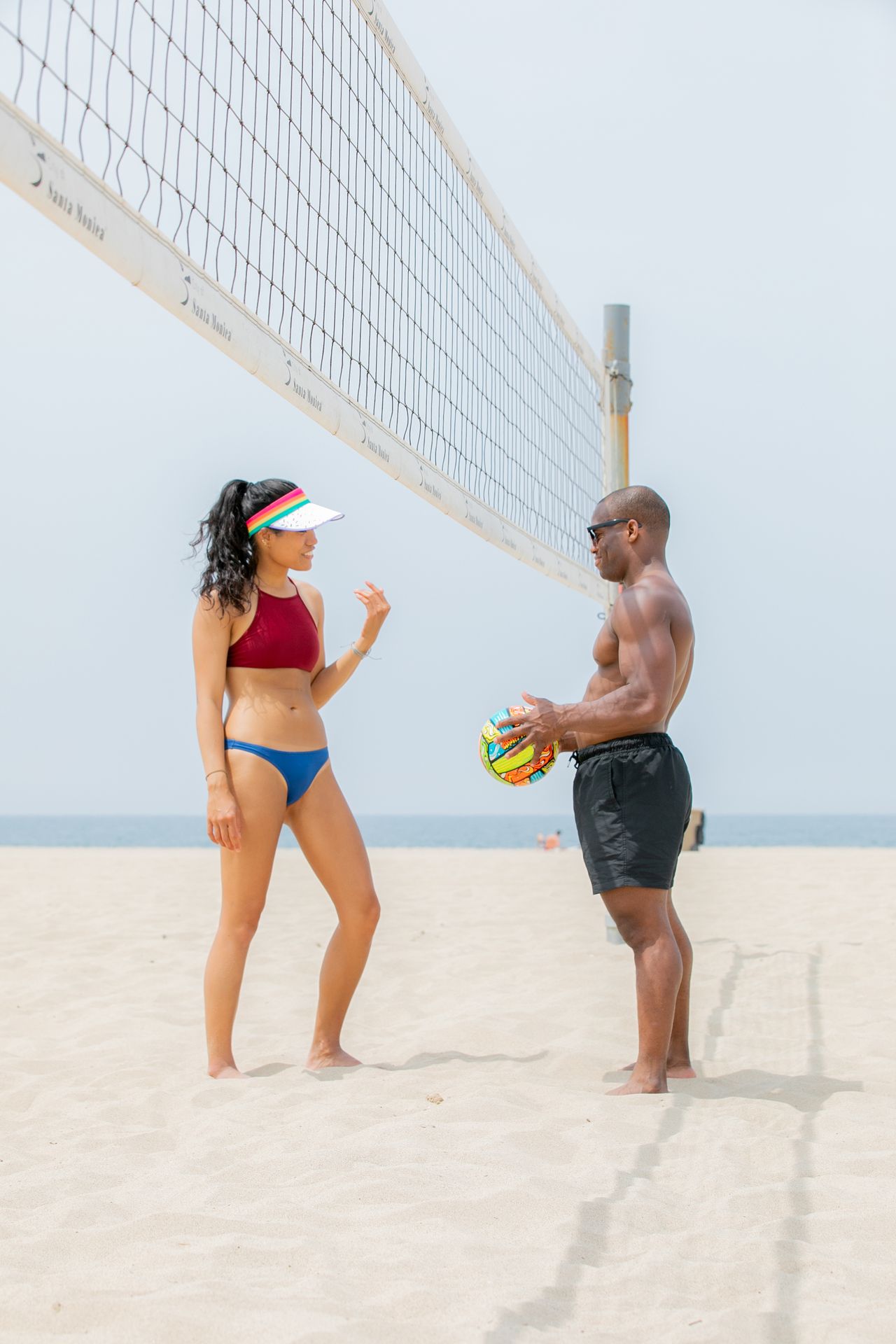
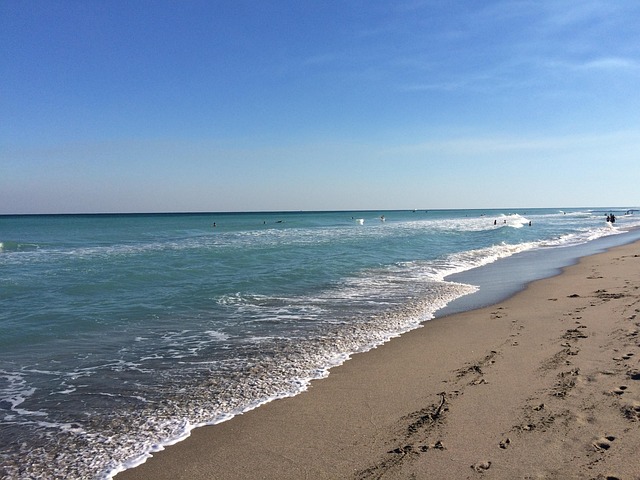
Beach volleyball is not the country’s primary identity, but Georgia’s Black Sea coast gives the outdoor game a natural geographic opening. Batumi and other coastal areas offer a different volleyball setting than the indoor gyms of Tbilisi. The beach game can support participation, summer events, and technical development because it forces players to handle serve receive, transition, attacking choices, and defensive coverage with fewer teammates and more touches per rally. Even if Georgia remains an indoor-first volleyball country, beach volleyball can still serve as a useful development lane.
The next phase for Georgian volleyball depends on structure. Federation leadership, coaching education, youth competitions, and stable national-team calendars matter more than one-off results. FIVB reported that Davit Tevzadze was elected president of the Georgian National Volleyball Federation in December 2025, giving the organization a fresh leadership cycle at a time when international exposure remains central to the country’s volleyball growth.
Georgia’s volleyball future is not built around pretending to be a finished European power. Its more realistic identity is that of a serious emerging program with access to one of the sport’s toughest continental environments. If the country can connect school participation, club development, coastal outdoor play, and national-team experience, it has a foundation for gradual improvement. In Georgian volleyball, progress is likely to come through accumulation: better setters, steadier first contact, stronger junior coaching, and more players exposed to volleyball beyond the domestic level.