Eritrea’s volleyball identity is one of a disciplined developing program with meaningful ties to both indoor and beach volleyball. The country is not one of Africa’s major volleyball powers, but it has a recognizable place in the sport through federation activity, national competition, beach volleyball events, and participation in the wider African volleyball community. Eritrean volleyball is best understood as a compact system where organization, coaching, and access to competition matter as much as raw athletic talent.
Indoor volleyball provides the base of the sport. In Eritrea, as in many smaller volleyball nations, the game depends heavily on national federation leadership, schools, clubs, military or institutional teams, and community-level competition. The country’s volleyball structure has had figures who helped keep the sport organized through different phases of development, and that continuity matters. Volleyball does not grow without administration: someone has to organize championships, develop referees, support coaches, and connect local players to regional and continental opportunities.
Asmara is naturally important to Eritrean volleyball because it functions as the country’s capital and a central point for sport organization. Indoor volleyball in that setting is built around fundamentals: serving pressure, first contact, disciplined setting, defensive coverage, and blocking technique. In countries without a large professional scene, the technical ceiling of the sport often depends on how well young players are taught early. A promising outside hitter or setter needs more than athletic ability; they need repeated exposure to structured training and competitive matches.
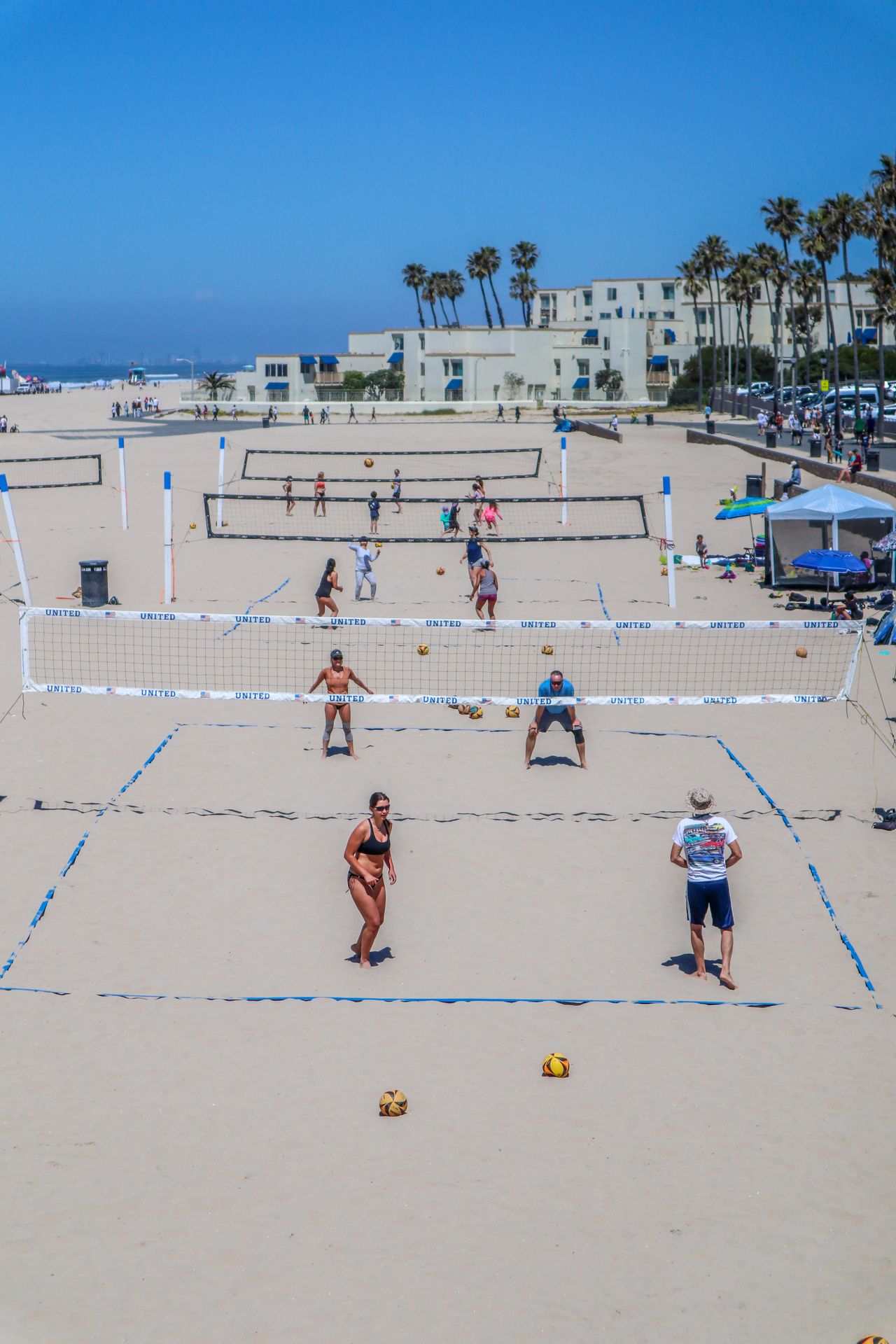
Beach volleyball gives Eritrea a distinctive angle that many inland African countries do not have. The Red Sea coastline, especially around Massawa, gives the country a natural beach volleyball setting. Eritrea has hosted regional beach volleyball competition, and that matters because hosting events does more than create a few days of matches. It puts local players around stronger opponents, gives referees and organizers experience, and helps the sport become visible outside the indoor gym. Beach volleyball also suits smaller development systems because a pair can become competitive more quickly than a full indoor roster if the athletes receive consistent coaching and tournament exposure.
The beach game can also strengthen the indoor game. Eritrean athletes who train on sand must handle every contact: serve receive, setting, attacking, blocking, transition, and defense. That all-around responsibility can create smarter players, especially in a country where volleyball needs versatile athletes. A player who learns how to read the wind, control high balls, and manage defensive positioning on sand may bring better instincts back to the indoor court.
Eritrea’s national and regional volleyball development still faces the common challenges of smaller programs: limited facilities, limited international exposure, uneven competition depth, and the need for more trained coaches. But the presence of federation activity, beach volleyball hosting, and continental links gives the sport a platform. The most important growth area is player retention. Young athletes need enough matches, coaching, and competitive goals to stay in the sport long enough to become senior-level players.
The future of Eritrean volleyball is likely to depend on a balanced model. Indoor volleyball gives the country its broad participation base, while beach volleyball offers a visible, distinctive pathway tied to geography and regional competition. If Eritrea can keep developing coaches, organize consistent domestic events, and use its coastline as a real competitive asset, volleyball can occupy a stronger place in the national sports landscape. It may remain a developing program, but it has a clear foundation: disciplined organization, coastal opportunity, and a volleyball community connected to Africa’s broader competitive system.