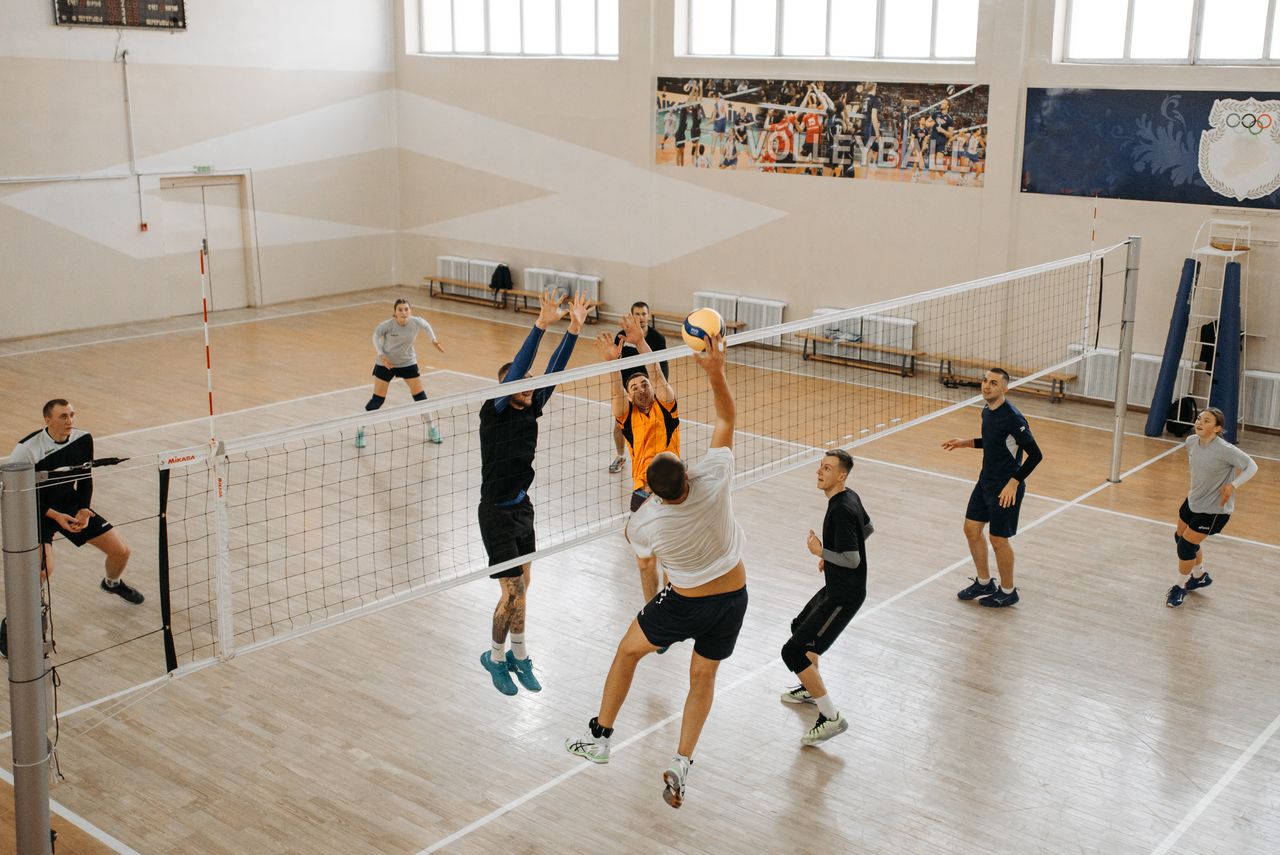
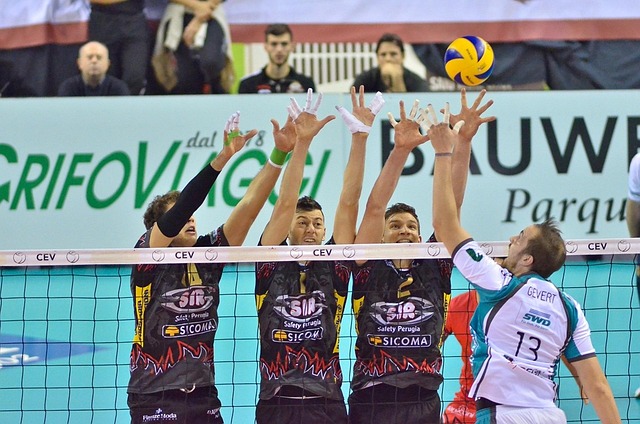
The invention of volleyball began in 1895, when William G. Morgan created a new indoor game at the YMCA in Holyoke, Massachusetts. Morgan wanted a sport that kept the movement, teamwork, and competitive energy of basketball while reducing the physical contact that made basketball difficult for some adult participants. The result was first called “mintonette,” a game built around a net, a ball, and the simple idea of keeping play alive by sending the ball back and forth. That beginning matters because volleyball’s core identity was there from the start: accessible enough to learn quickly, but structured enough to become fast, tactical, and globally competitive.
William G. Morgan and the YMCA Roots of Volleyball
Volleyball came from the same YMCA sports culture that helped shape basketball only a few years earlier. Morgan had known James Naismith, the inventor of basketball, and worked in an environment where physical education leaders were trying to create games that could fit indoor spaces, build fitness, and serve different ages and ability levels.
At the Holyoke YMCA, Morgan designed mintonette as a game that used a raised net and allowed teams to keep the ball in motion without the constant body contact of basketball. Early versions of the sport were flexible by modern standards. Team sizes, scoring, and playing style were still developing, but the basic structure was clear: the ball had to be played over the net, rallies mattered, and teamwork was central.
The name “volleyball” came soon after, when observers recognized that the defining action of the sport was volleying the ball before it hit the floor. That name gave the game a clearer identity and helped it spread beyond its original YMCA setting.
How the Invention of Volleyball Created a Different Kind of Team Sport
The invention of volleyball mattered because it created a team sport built around rhythm rather than collision. Players did not need to tackle, block bodies, or fight through direct contact. Instead, they had to read the ball, move together, communicate, and control space on their side of the net.
That structure made volleyball unusually adaptable. It could be played indoors, taught in schools, organized through clubs, and adjusted for different levels of competition. As the rules became more standardized, the sport gained the features that define it today: teams separated by a net, limited contacts, rotations, specialized skills, and rallies that reward both reaction speed and tactical planning.
The early game looked far different from modern elite volleyball. There was no libero, no jump serve, no pipe attack, and no high-speed international power game. But Morgan’s original idea created the framework that allowed those later innovations to happen. Volleyball could grow because its foundation was simple, repeatable, and flexible.
From Mintonette to Olympic and Beach Volleyball
Volleyball spread through YMCA networks, schools, military communities, and international organizations. Over time, it became especially strong in countries that built deep school, club, and national-team systems. The sport’s Olympic debut in 1964 confirmed indoor volleyball as a major international competition, while beach volleyball’s Olympic arrival in 1996 gave the sport a second global stage.
That two-part identity is one reason volleyball has become so durable. Indoor volleyball developed into a highly structured team sport built around rotations, blocking systems, serve receive, and fast offensive timing. Beach volleyball stripped the game down to two players, open space, weather, and partnership chemistry. Both versions still trace back to the same original concept: keep the ball alive, control the net, and work together under pressure.
The invention of volleyball did not simply create a recreational gym activity. It created a sport that could travel, adapt, and evolve. From a YMCA court in Massachusetts to Olympic arenas, school gyms, beach courts, and professional leagues around the world, volleyball’s rise came from the strength of a simple idea that kept getting faster, sharper, and more competitive.