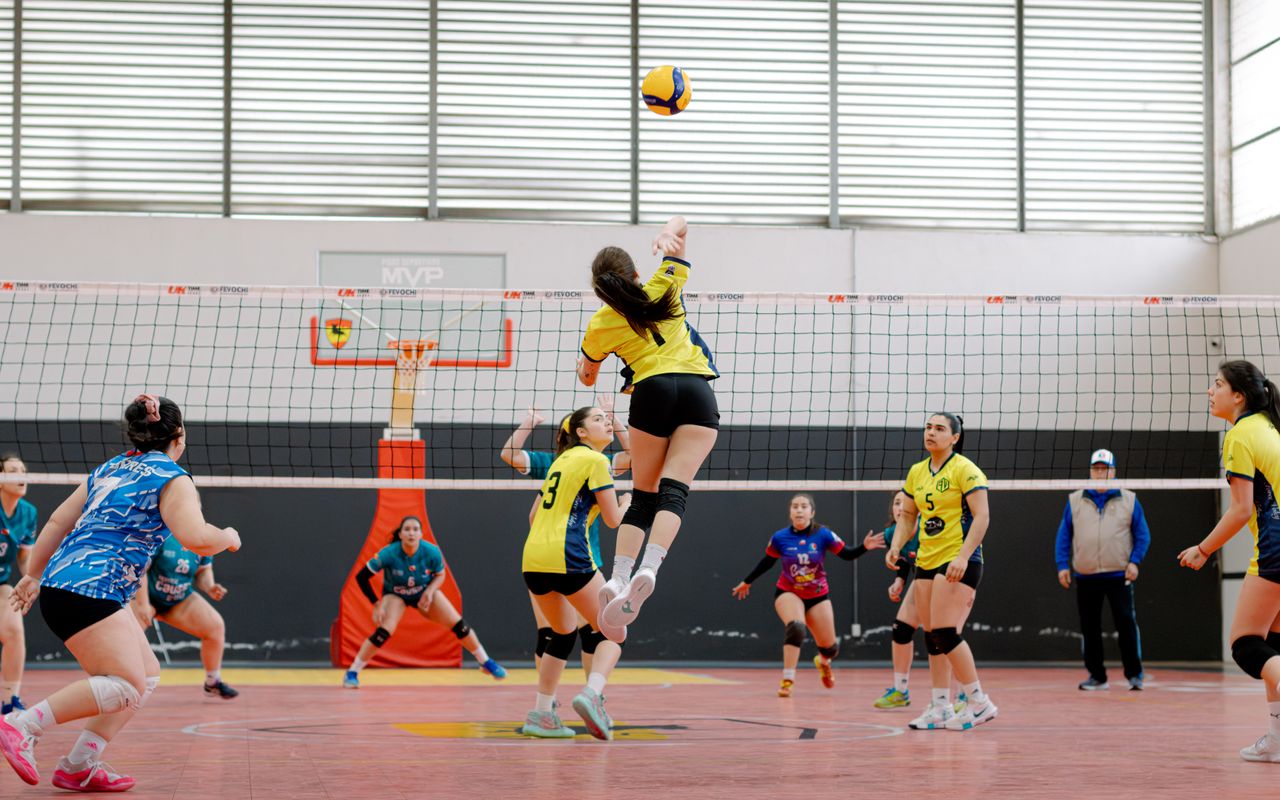
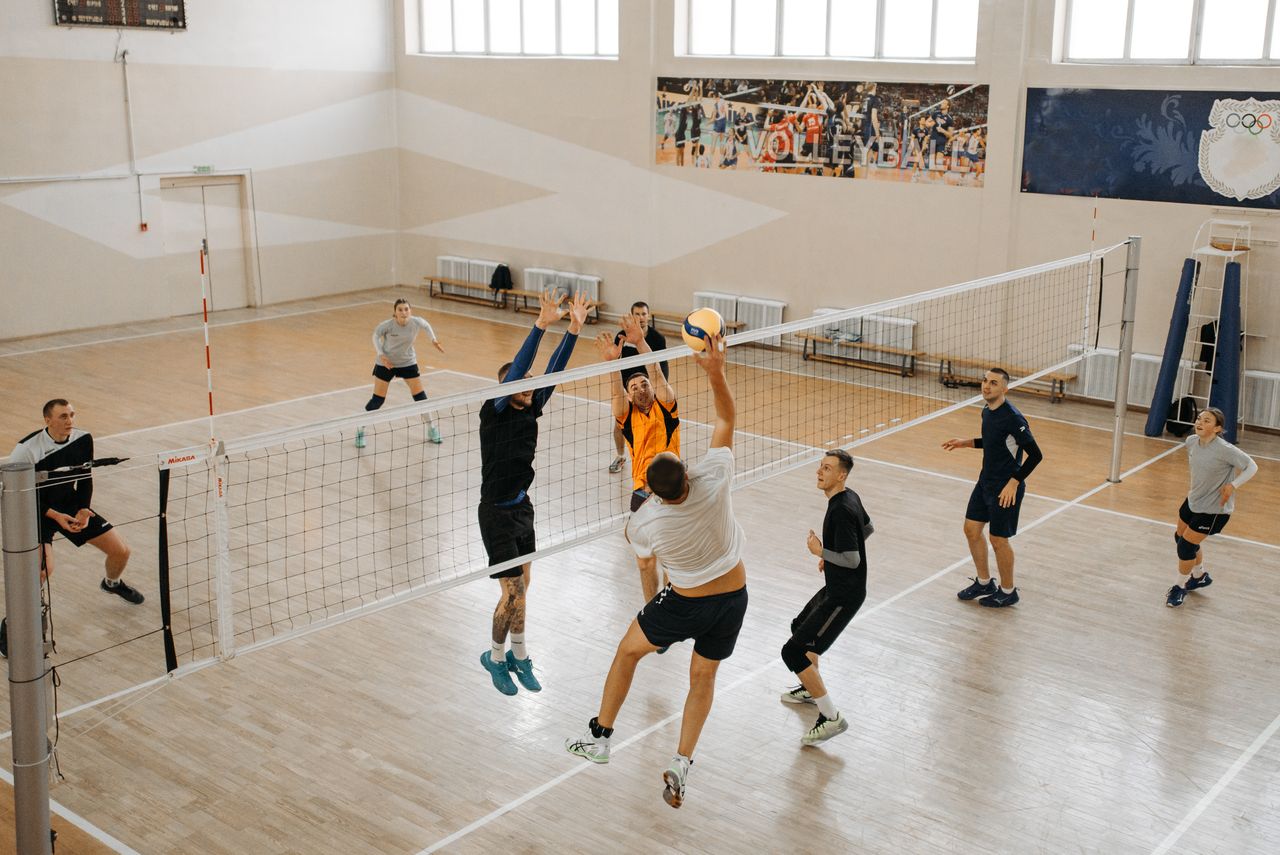
Blocking calls in beach volleyball matter because the block is not just a defensive move. It changes the number of touches left, the shape of the rally, and the pressure on both players behind the block. In the indoor game, teams can absorb a block touch differently, but beach volleyball is built around two-player problem solving. Under FIVB beach volleyball rules, a blocking contact counts as a team hit, leaving the blocking team with two more contacts to return the ball. That single rule makes every block decision more complicated than it looks. A blocker is not simply trying to stop the attack. They are deciding whether to challenge, funnel, delay, or give their defender a cleaner read.
Why the Block Carries More Risk on the Beach
A beach volleyball block looks direct: one player jumps at the net, takes away an angle, and tries to stop the hitter. The real decision is more layered. Because there are only two players on the court, the blocker cannot disappear into a larger defensive system. If the block touch slows the ball down, the same team still has to control the next contact with only two touches remaining. That makes a block both an opportunity and a commitment.
This is why beach blocking is closely tied to defensive communication. The blocker may signal line, angle, or another defensive plan before the serve. Those signals tell the defender what space the block is supposed to take away. If the blocker commits to the line, the defender prepares for the cross-court shot. If the blocker takes angle, the defender adjusts the other way. The block is not one isolated jump. It is the front half of a two-player defensive agreement.
Blocking calls become tense because the margin is small. A fingertip touch can redirect the ball. A soft brush off the hands can change possession rhythm. A net touch can erase a great defensive read. A reach across the net can become legal or illegal depending on timing and interference. In beach volleyball, the line between smart pressure and a costly fault can be very thin.
Blocking Calls in Beach Volleyball Change the Whole Point
The most important difference for many casual viewers is the touch count. In beach volleyball, a block contact counts as one of the team’s three hits, so a team that blocks the ball and keeps it alive must usually play the next two touches cleanly: control, then attack. That creates a different rhythm than a rally where the defender simply digs the ball and the team still has its normal sequence available.
That rule affects tactics. A blocker who gets a small touch may help by slowing the ball, but they may also create a difficult first contact for their partner. A clean stuff block ends the point and looks decisive. A messy block touch can create an awkward scramble. The best blockers know when to press aggressively and when to take away space without giving the attacker an easy tool off the hands.
There are also calls around reaching over the net. A blocker can reach beyond the net as part of a legal block, but they cannot interfere with the opponent’s play before the attack is made. That distinction matters most on tight sets, jousts, and overpasses. If the ball is clearly coming over, the blocker can attack the space above the net. If the opponent still has a legitimate play on the ball, the blocker has to avoid crossing from defense into interference.
Then there is the net itself. Beach volleyball’s net calls can be decisive because blockers operate so close to it. A hand, arm, body, or even movement after landing can create a fault if it interferes with play. For a blocker, technique is not only about jumping high. It is about pressing over, controlling body position, landing cleanly, and avoiding contact that turns a strong defensive move into a lost point.
The Blocker-Defender Partnership Behind Every Call
The best beach volleyball blocking is rarely about one player dominating the net alone. It is about partnership. The blocker shapes the court. The defender reads what remains. When the system works, the attacker sees fewer good options and has to hit into pressure. When it breaks, the court opens quickly.
That partnership is why blocking calls carry so much weight. If the blocker touches the ball, the defender may have to make an emergency second contact rather than a clean first dig. If the blocker seals the wrong angle, the defender may be left covering a shot that was never part of the plan. If the blocker gets called for a net fault, it can wipe away a rally the defender had already read correctly.
At higher levels, blockers are not just trying to block straight down. They are trying to show one thing and take away another, bait hitters into uncomfortable swings, and use their hands to control where a deflection goes. Sometimes the best block is not a stuff block. It is a controlled touch that gives the team a chance to transition. Sometimes the best decision is to pull off the net entirely and become a second defender. That choice depends on the hitter, the set location, the wind, the score, and the trust between partners.
Blocking calls in beach volleyball reveal how much of the sport happens in small decisions. The block is visible, but the strategy behind it is built before the hitter even swings. Every touch at the net can change the count, the court, and the pressure of the rally. That is why blocking remains one of beach volleyball’s most important and most debated skills.