Nairobi is one of Africa’s most important volleyball cities, not because the sport lives only in one famous arena or one club, but because the capital sits at the center of Kenya’s competitive volleyball system. For decades, Kenya has been one of the continent’s most recognizable volleyball nations, especially on the women’s side, and Nairobi has served as the administrative, training, institutional, and symbolic heart of that reputation.
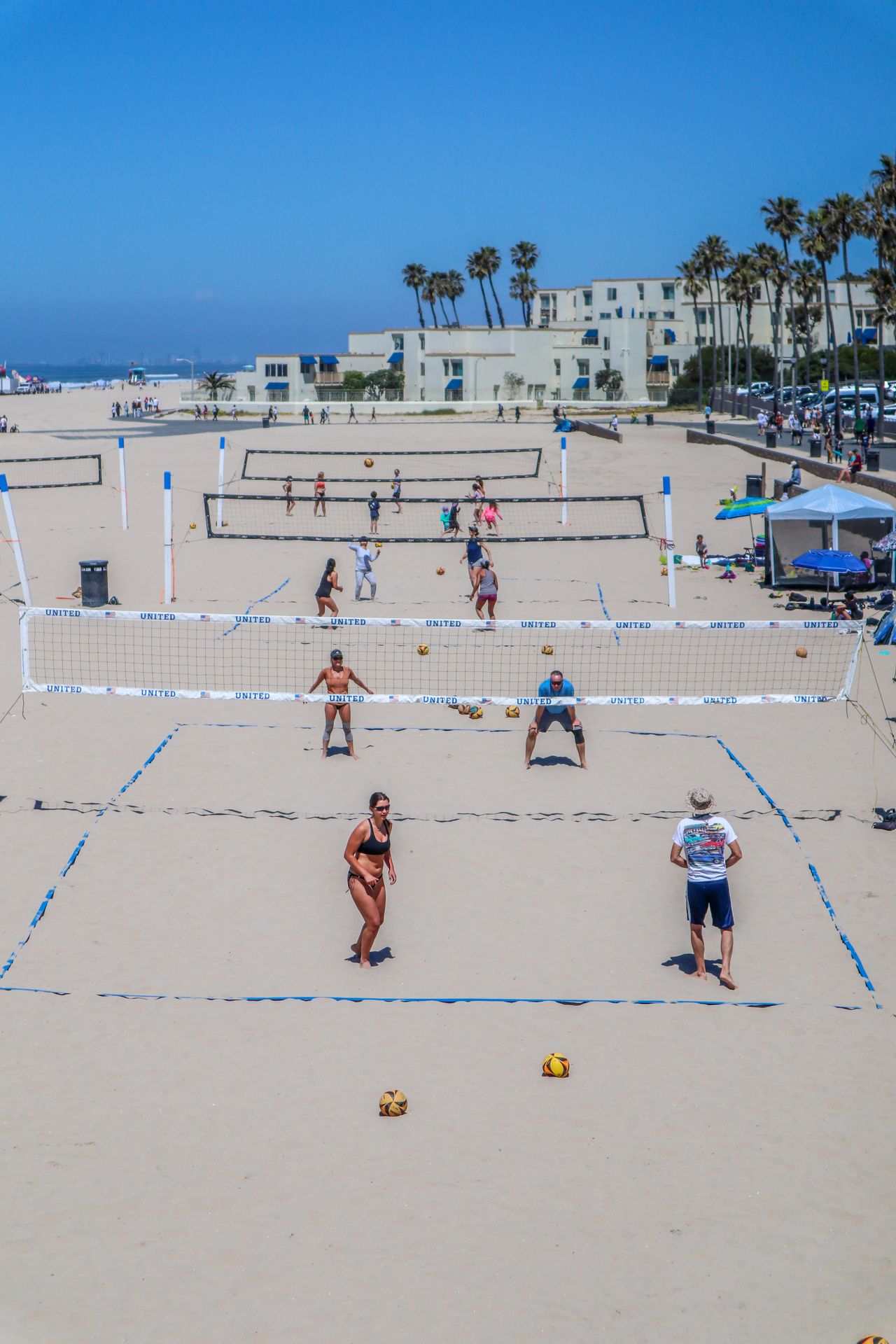
Volleyball in Nairobi is indoor-first. Beach volleyball exists in Kenya, especially along the coast, but Nairobi’s identity is built around hardwood, school gyms, institutional clubs, national-team preparation, and the disciplined team culture that has made Kenyan volleyball respected across Africa. The city is not simply a place where volleyball is played. It is where many of the country’s strongest clubs, athletes, coaches, and volleyball institutions intersect.
A Capital City Built Around Institutional Volleyball
Nairobi’s volleyball culture has long been connected to institutions: government services, banks, public agencies, parastatals, schools, and large employers that have supported competitive teams. That model has shaped the way volleyball looks in Kenya. It is not a loose recreational scene trying to find structure. It is a sport with established clubs, national competition, and a clear connection between elite domestic volleyball and national-team representation.
Teams such as Kenya Pipeline, KCB, Kenya Prisons, General Service Unit, Kenya Defence Forces, and other institutional sides have helped make Kenyan volleyball one of the most organized team-sport systems in East Africa. Many of these clubs are associated with Nairobi or connected to the capital through training, administration, fixtures, employment structures, or national competition. Their rivalries have given Kenyan volleyball a seriousness that extends beyond casual participation.
This matters because Nairobi volleyball is not defined by one age group or one neighborhood. It is part of a wider Kenyan sports ecosystem where athletes can move from school volleyball into clubs, from clubs into the national league, and from the national league into African club competition or national-team duty. That pathway is not always easy, and resources vary, but the structure gives Nairobi a stronger volleyball identity than many larger cities in Africa.
The Women’s Game and Kenya’s Continental Reputation
The most powerful part of Nairobi’s volleyball identity is the women’s game. Kenya’s women’s national team, widely known as the Malkia Strikers, has been one of Africa’s most visible volleyball teams. Their presence in continental competition and on the Olympic stage has given volleyball in Kenya a profile that many sports struggle to achieve. Nairobi, as the capital and sports hub, benefits directly from that visibility.
The link between club volleyball and national-team volleyball is especially important. Players from Kenya Pipeline, KCB, Kenya Prisons, and other leading sides have often formed the backbone of national squads. That creates a direct line between league performance and national pride. A strong club season is not just a domestic achievement. It can shape who represents Kenya in major competitions.
Kenya Pipeline has been especially central to that story. The club has been one of the great names in African women’s club volleyball, with a history that reaches into continental tournaments and a record of producing players for the national team. KCB has also become a major force, adding another layer to the women’s game and strengthening the domestic rivalry structure. When these clubs meet, the matches carry more weight than ordinary league fixtures because they often involve national-team players, future national-team candidates, and coaches measuring the highest level of the Kenyan game.
Nairobi’s volleyball public understands this. The city’s volleyball followers are not only watching rallies, serves, and blocks. They are watching selection battles, club hierarchy, national-team form, and the continuing question of whether Kenya can translate African strength into more consistent global competitiveness.
Men’s Volleyball and the Depth of the Local Game
Nairobi’s volleyball identity is not limited to women’s competition. Men’s volleyball in Kenya has its own institutional strength, with teams such as GSU, Kenya Prisons, KDF, and other service-based clubs helping sustain the national league. The men’s game may not have the same international visibility as the women’s national team, but it plays an important role in keeping volleyball balanced and competitive within Kenya.
Men’s volleyball in Nairobi tends to reflect the city’s organized, disciplined sports culture. Service teams and institutional clubs often bring structure, fitness, and tactical discipline. Matches can be physical, with strong blocking, heavy outside hitting, and defensive systems built around athletic coverage. The game is less commercially visible than football or athletics, but within Kenya’s volleyball circles, it carries serious competitive weight.
The presence of strong men’s clubs also matters for coaching development. Volleyball knowledge is not built only through star players. It is built through training environments, league pressure, experienced setters, defensive specialists, and coaches who understand how to prepare teams across long seasons. Nairobi’s men’s volleyball scene contributes to that technical base.
Schools, Youth Pathways, and the Making of Players
Nairobi’s future as a volleyball city depends heavily on schools and youth development. Kenya has a broad school-sports culture, and volleyball benefits from being accessible compared with facility-heavy sports. A ball, a net, a court, and a committed coach can create a competitive environment. That accessibility has helped volleyball reach students who might not otherwise enter organized sport.
In Nairobi, school volleyball also provides an important early filter for talent. Young players learn the basics of serve receive, setting, blocking footwork, court rotation, and defensive positioning before moving into more competitive club settings. The best players often stand out because of athleticism first, but long-term success depends on whether they receive enough technical coaching to develop into complete volleyball athletes.
This is one of Nairobi’s key strengths and one of its ongoing challenges. The city has access to experienced coaches, established clubs, and national-level examples. At the same time, volleyball development still depends on consistent facilities, equipment, competition calendars, and support for younger athletes. The pathway exists, but its quality can differ sharply depending on the school, neighborhood, club connection, and financial resources available to a player.
Style of Play and Volleyball Personality
Nairobi volleyball reflects many of the traits associated with Kenyan team sport: athleticism, discipline, resilience, and strong competitive pride. At the highest level, Kenyan teams are often built around powerful outside hitters, active middles, energetic back-row defense, and setters who must manage tempo against physically strong opposition. The style can be intense, especially in domestic matches where rival clubs know each other well.
The best Nairobi-connected teams are not casual collections of athletes. They are trained systems. Serve pressure matters. Blocking assignments matter. Floor defense matters. So does emotional control, because many of the city’s biggest matches carry the weight of club rivalry and national-team implications.
This gives Nairobi volleyball a sharper edge than a purely recreational scene. The city has adult participation and community volleyball, but its profile is driven more by serious competition than by lifestyle volleyball. The tone of the sport is closer to a national training ground than a casual urban pastime.
Nairobi’s Place in African Volleyball
Nairobi matters because Kenya matters in African volleyball. The city’s clubs, administrators, facilities, and athletes are part of a continental conversation that includes North African powers, East African rivals, and emerging volleyball nations trying to build stronger programs. Kenyan clubs have regularly measured themselves against teams from countries such as Egypt, Tunisia, Morocco, Cameroon, Rwanda, and Uganda. Those comparisons are important because African volleyball is not static. The continent is getting deeper, and Kenya has to keep improving to remain near the front.
For Nairobi, that creates both pressure and opportunity. The city has the advantage of history, structure, and a recognizable national volleyball brand. But it also has to keep pace with better-funded clubs, improved coaching systems, and federations that are investing in youth development. Nairobi cannot rely only on past reputation. It has to continue producing players who can handle faster international tempo, stronger serving, and more advanced tactical systems.
The Future of Volleyball in Nairobi
The future of volleyball in Nairobi is tied to professionalization, youth development, women’s volleyball visibility, and the ability to convert domestic strength into international progress. The city already has many of the pieces: respected clubs, national-team relevance, school participation, experienced coaches, and a public that understands the sport’s importance within Kenya.
The next step is refinement. Better youth coaching, more consistent competition, stronger media coverage, improved facilities, and clearer athlete pathways would help Nairobi remain one of Africa’s strongest volleyball centers. The city does not need to invent a volleyball identity. It already has one. Nairobi is an indoor volleyball capital, a national-team pipeline, and a club rivalry hub with continental significance.
That is what separates Nairobi from many emerging volleyball cities. Its challenge is not proving that volleyball belongs. Its challenge is turning an already serious volleyball culture into a deeper, more modern, more internationally competitive system.