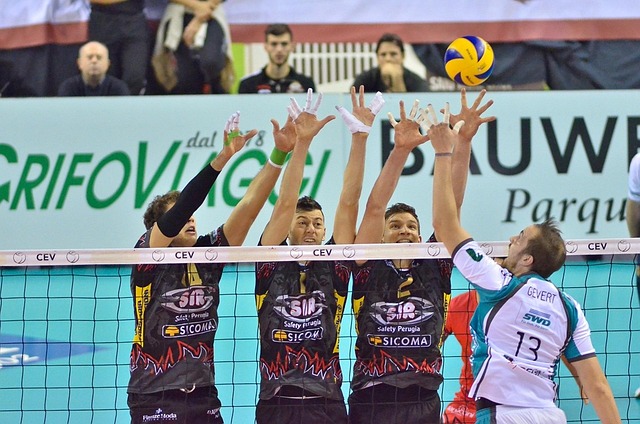
Puerto Rican volleyball culture is built on more than occasional international appearances or a few standout players. The sport has a real place in the island’s athletic identity because it connects school gyms, professional clubs, national teams, and a passionate local fan base. Puerto Rico’s volleyball story is especially important because the island competes in a crowded Caribbean and NORCECA landscape while still producing players, teams, and leagues with staying power. The result is a volleyball culture that feels both local and international: rooted in towns and clubs, but always aware of Olympic, continental, and global competition.
The Island Roots Behind Puerto Rican Volleyball Culture
Volleyball in Puerto Rico has grown through the same kind of community structure that supports many of the island’s strongest sports: schools, municipalities, local clubs, and family-based fan support. The sport is visible because it gives towns and regions a direct connection to higher-level competition. That local structure matters. It allows volleyball to become more than a national-team event watched every few years; it becomes a sport people can follow through domestic clubs, youth development, and players moving between Puerto Rican leagues, NCAA programs, and professional opportunities abroad.
The women’s professional game has been especially important to that identity. Puerto Rico’s Liga de Voleibol Superior Femenino has a long-standing place in the island’s volleyball structure, and the Puerto Rican Volleyball Federation continues to treat the league as a central part of the domestic calendar. Recent federation coverage of the LVSF shows an active professional environment with playoff series, club news, and league-level attention that keeps the sport visible beyond national-team windows.
That visibility gives Puerto Rican volleyball culture a different shape from places where the sport only appears through schools or international tournaments. Puerto Rico has both: a local competitive base and a national-team identity. The island’s volleyball culture is not built around a single arena or one generation. It is spread through clubs, school systems, family traditions, and the continued presence of professional competition.
Olympic Visibility and the National-Team Standard
Puerto Rico’s women’s national team helped give the sport one of its clearest international markers when it reached the 2016 Olympic Games in Rio. The announced Olympic squad included recognizable Puerto Rican volleyball names such as Aury Cruz, Karina Ocasio, Stephanie Enright, Daly Santana, Yarimar Rosa, Alexandra Oquendo, and others, giving the island a team that reflected both experience and national pride.
That Olympic appearance mattered because volleyball nations are often measured by their ability to turn domestic participation into international credibility. For Puerto Rico, reaching Rio was not only about one roster. It showed that the island could build a team capable of competing on the sport’s largest stage. In a region where the United States, Dominican Republic, Cuba, and other programs all shape the competitive landscape, Puerto Rico’s volleyball identity has had to develop through persistence rather than easy dominance.
The national-team pathway also gives younger players a visible target. Puerto Rican players can see a route from school competition to domestic leagues, from college volleyball to professional clubs, and from local gyms to international tournaments. That matters for a volleyball culture because it keeps the sport aspirational. The best local players are not just representing a school or club; they are part of a broader island-wide volleyball story.
Puerto Rico’s continued involvement with international volleyball development also shows that the sport remains part of the federation’s long-term planning. FIVB coverage has noted Volleyball Empowerment support connected to the Puerto Rican women’s national team and federation equipment assistance, showing how international support and domestic ambition can overlap in a smaller but serious volleyball market.
Why Puerto Rico’s Volleyball Identity Still Matters
Puerto Rican volleyball culture matters because it shows how a relatively small island can sustain a serious volleyball presence through structure, pride, and continuity. The island does not need to be the largest volleyball nation to have a distinct volleyball identity. Its strength comes from how many layers the sport has: professional clubs, national teams, youth development, NCAA connections, overseas opportunities, and fans who understand the game as part of Puerto Rican sport.
The women’s game is central to that story, but the broader culture is not limited to one team or one era. Puerto Rico’s volleyball scene has produced athletes who play at home, compete abroad, and represent the island internationally. That movement keeps the sport connected to the wider volleyball world while preserving a strong local base.
The result is a volleyball culture with real depth. Puerto Rico is not just a country that occasionally appears in international volleyball results. It is a place where volleyball has a domestic rhythm, recognizable players, meaningful leagues, and national-team moments that connect the island to the global game.
Puerto Rican volleyball culture endures because it is built from both pride and participation. The sport belongs to local gyms and professional courts, but it also carries the island into Olympic and international competition. That combination gives Puerto Rico a volleyball identity that is larger than its size.