Indianapolis has become one of the Midwest’s most interesting volleyball cities because its identity is built from several layers at once: strong junior club volleyball, a serious event-hosting infrastructure, a growing professional presence, and the broader Indiana tradition of school-based sports. This is not a beach volleyball market and not a coastal lifestyle scene. Indianapolis is an indoor volleyball city, shaped by gyms, clubs, tournaments, schools, and the kind of sports organization that has long made the city a reliable host for major athletic events.
The volleyball story in Indianapolis is not only about participation. It is about infrastructure. The city and its surrounding suburbs have the facilities, sports-business experience, and regional location to support large volleyball events. That gives Indianapolis a role beyond its own local athletes. It serves as a gathering point for teams, clubs, college programs, families, and fans moving through the Midwest volleyball calendar.
A Gym-Centered Volleyball Identity
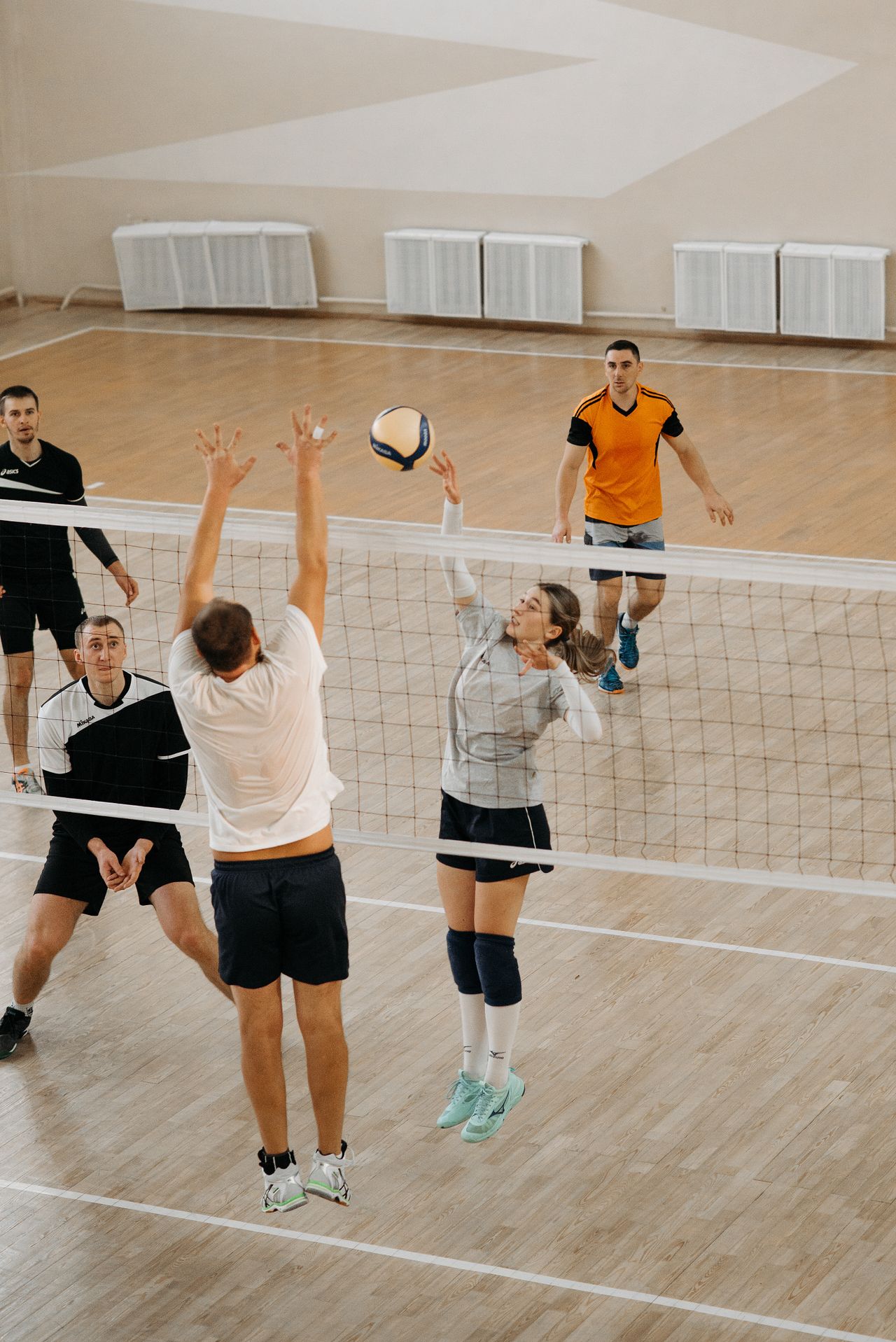
Indianapolis volleyball begins indoors. The city’s climate and sports culture naturally push volleyball into gyms, fieldhouses, school facilities, and multi-court venues. That indoor identity matters because volleyball is a sport that thrives where there are enough courts, coaches, and competitive events to create repetition. Indianapolis has built much of its volleyball credibility around that structure.
The area’s club volleyball culture is especially important. Junior clubs give athletes a pathway beyond the school season, and in a state where school sports carry cultural weight, club volleyball adds another layer of seriousness. Players can train by position, compete in regional and national events, and test themselves against stronger opponents than they might see in a normal school schedule.
That club environment helps shape the kind of players Indianapolis can produce. Setters learn to run structured offenses. Liberos learn to control serve receive under tournament pressure. Middles work on blocking schemes and transition attacks. Pin hitters learn to score against disciplined defenses. The club model gives players a volleyball education that extends beyond raw athletic ability.
The Role of Indianapolis as a Volleyball Host
Indianapolis has a broader sports identity as a host city, and volleyball benefits from that reputation. The city is centrally located, accessible to much of the Midwest, and experienced at organizing large sports events. That makes it a natural fit for club tournaments, college events, and major volleyball gatherings.
Volleyball events require more than one show court. They need many courts, warm-up space, hotels, parking, officials, trainers, scheduling systems, and family-friendly logistics. Indianapolis is well suited to that world because the city already understands the mechanics of sports tourism. Volleyball families are used to long tournament days, early waves, bracket play, and packed facilities. A city that can handle those demands becomes valuable to the sport.
The surrounding suburbs also matter. Indianapolis volleyball is not limited to the downtown core. Communities around the metro area contribute facilities, clubs, school programs, and event venues. This regional model gives the city more volleyball capacity than a simple population ranking would suggest.
Professional Volleyball and a New Layer of Visibility
One of the most important developments for Indianapolis volleyball is the emergence of women’s professional volleyball as a visible part of the local sports scene. For decades, American volleyball players often had to look overseas for professional opportunities after college. The growth of domestic professional volleyball changes that equation, and Indianapolis has positioned itself as part of that shift.
A professional team gives the local volleyball community something different from club and school competition. It creates a spectator product. It gives young players visible role models. It allows fans to watch high-level serve receive, attacking, blocking, and defensive systems without needing to follow only college or international volleyball. It also gives the city a more complete volleyball ladder: youth participation, club development, school competition, college influence, and professional visibility.
That matters culturally. When young athletes can see professional women’s volleyball in their own region, the sport feels less like a youth activity that ends after college and more like a complete athletic pathway. Indianapolis does not need to be a traditional volleyball capital to benefit from that. It needs committed fans, strong venues, and a local volleyball base that understands the game.
School and Club Pathways in Indiana
Indiana’s sports culture has long been rooted in schools, gyms, and local communities. Volleyball fits naturally into that environment. School volleyball gives players their first sense of team identity, rivalries, and structured competition. Club volleyball then raises the technical and competitive ceiling.
Indianapolis-area players benefit from being in a region where volleyball is taken seriously enough to support high-level training but not so saturated that the local identity disappears into a national machine. Athletes can develop through school programs, join clubs, travel for tournaments, and pursue college opportunities across the Midwest. The surrounding region includes strong college volleyball states and conferences, which gives Indianapolis athletes meaningful exposure.
The player pathway is also shaped by the Midwest style of volleyball. Indoor discipline matters. Ball control matters. Defensive structure matters. Teams that come out of this environment often value system play, serving pressure, blocking organization, and consistency. While the most physical athletes still stand out, Indianapolis volleyball is not only about jumping high and swinging hard. It rewards players who understand rotations, spacing, tempo, and defensive responsibility.
A City Where Volleyball Can Keep Growing
Indianapolis is well positioned for volleyball growth because it has the right combination of local participation and event infrastructure. The city can support youth volleyball, host major competitions, and build a professional fan base. Those three pieces do not always exist in the same market.
The strongest future growth may come from girls’ and women’s volleyball, where the national momentum is already clear. College volleyball is drawing larger audiences, professional volleyball is becoming more visible, and junior clubs continue to expand. Indianapolis can connect all three levels. The city’s ability to host events also gives it a chance to remain part of the national volleyball conversation even when local teams are not the sole focus.
Boys’ volleyball could also become a larger part of the area’s future. In many Midwestern markets, boys’ volleyball has historically been less developed than girls’ volleyball, but interest has been growing in parts of the country. A strong indoor infrastructure gives Indianapolis the ability to support that growth if participation continues to rise.
Indianapolis’ Volleyball Reputation
Indianapolis volleyball is not defined by sand, coastline, or Olympic beach imagery. It is defined by the indoor game. Its reputation comes from clubs, events, schools, venues, and the city’s ability to organize competition at scale. That gives Indianapolis a practical but meaningful volleyball identity.
The city’s future in the sport looks strong because it does not depend on one fragile source of attention. Even if one team rises or falls, the broader ecosystem remains. Clubs continue developing athletes. Schools keep the sport visible. Event organizers keep bringing teams into the region. Professional volleyball gives fans another reason to care.
Indianapolis is becoming a volleyball city in the way many Midwestern sports cities are built: through facilities, structure, repetition, and community commitment. It is not flashy, but it is durable. In volleyball, that kind of foundation matters.