Austin’s volleyball identity is shaped by youth development, indoor competition, outdoor culture, and the city’s broader athletic energy. It is not a traditional old-guard volleyball capital, but it is a strong modern volleyball market: fast-growing, club-driven, school-connected, and increasingly competitive across the junior and adult levels.
Volleyball in Austin fits the city’s personality as a place where organized sport, recreation, fitness, and community overlap. The game lives in school gyms and club facilities, but it also stretches into parks, sand courts, grass tournaments, and adult leagues. That combination makes Austin a hybrid volleyball city. It has enough serious indoor infrastructure to produce college-level players, while also maintaining the outdoor and recreational texture that comes with a warm-weather, active metro.
A Fast-Growing Volleyball Market
Austin’s rise as a volleyball city is closely tied to the growth of Central Texas. The metro area has expanded rapidly, bringing more families, more schools, more athletic programs, and more demand for youth sports. Volleyball has benefited from that growth because it gives athletes a competitive team sport that rewards quickness, discipline, communication, and technical development.
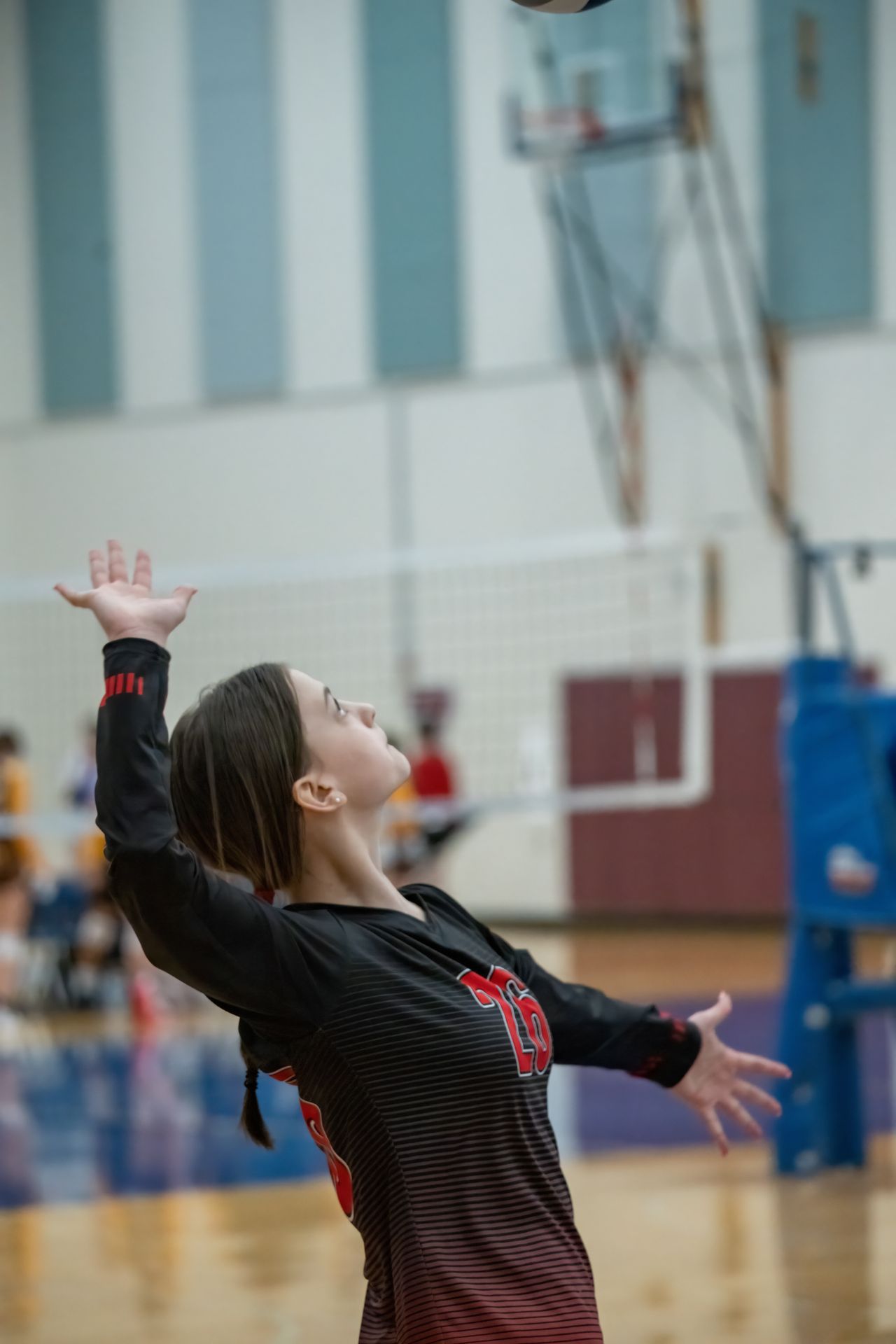
The Austin volleyball scene is especially strong at the junior level. Youth clubs, high school programs, and training environments give players a pathway from beginner participation to advanced competition. Like many strong U.S. volleyball markets, Austin is built around a long calendar. School volleyball creates local identity and rivalry, while club volleyball provides the extended training and tournament schedule that serious players need.
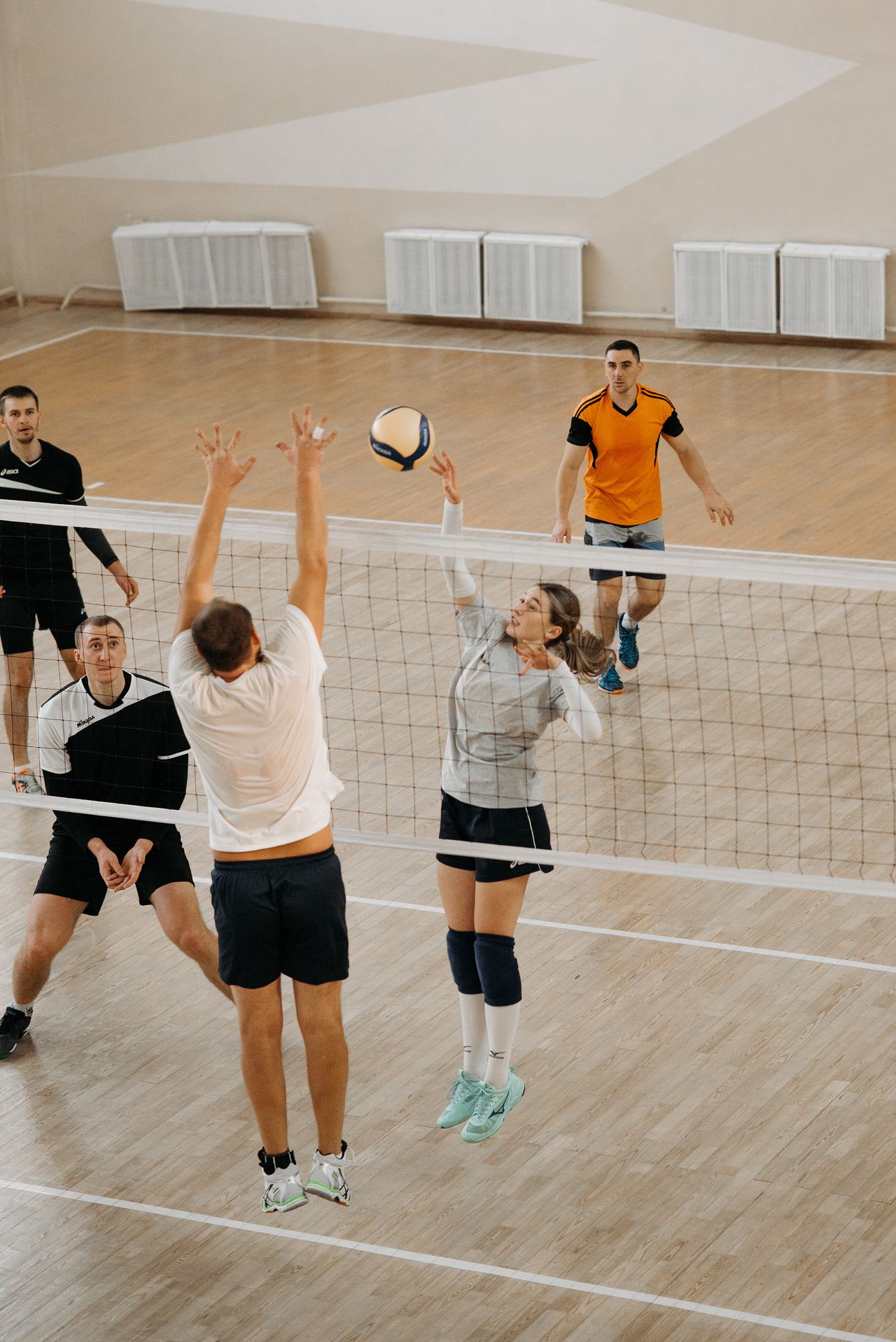
The result is a city where volleyball is not limited to one season. Athletes train through school matches, club practices, tournament weekends, camps, open gyms, and private sessions. The best players in the area learn the sport as a system. They learn how serve receive controls an offense, how setters shape tempo, how liberos stabilize a team, how middles influence blocking schemes, and how outside hitters must manage both power and control.
The School and Club Connection
Austin’s volleyball structure depends heavily on the connection between high school volleyball and club volleyball. High schools give the sport visibility and emotional stakes. Club volleyball gives athletes repetition, technical correction, travel competition, and recruiting exposure. The two are different environments, but in a city like Austin, they reinforce each other.
High school volleyball in the Austin area benefits from Texas’ larger sports culture. Texas takes school sports seriously, and volleyball has become a significant part of that landscape. The atmosphere around school competition can be intense, especially when strong programs meet in district and playoff settings. For athletes, school volleyball provides a team identity that is rooted in community. For coaches, it is a chance to build systems, evaluate leadership, and develop players in a match environment where every point has local meaning.
Club volleyball is where the technical ceiling rises. Austin-area players who want to compete beyond the school level need more than athleticism. They need first-contact skill, positional discipline, tactical awareness, and the ability to handle opponents from outside their immediate school district. Club competition exposes players to different tempos, different defensive systems, and different levels of physicality.
That is one of the reasons Austin has become an important development market. It is not just producing players who enjoy volleyball. It is producing players who understand the demands of the modern game.
Texas Volleyball Influence
Austin’s volleyball identity cannot be separated from Texas volleyball. The state has become one of the country’s major volleyball producers, with strong high school programs, deep club circuits, and major college influence. Austin sits inside that larger ecosystem, which raises expectations. A strong player in Austin is not only measured against nearby schools or local clubs. She may be measured against Dallas, Houston, San Antonio, and national-level tournament competition.
The presence of elite college volleyball in Texas also shapes the sport’s culture. Young players in Austin can see what high-level volleyball looks like within their own state. That matters. When athletes can connect local training with major college competition, the sport feels more tangible. The path is difficult, but visible.
Austin’s own college and university environment also gives the sport a strong backdrop. The city is heavily influenced by campus life, young professionals, and an active adult population. Volleyball benefits from that because the game can operate across age groups. It is not only a youth sport. It is also a college, recreational, and post-college sport.
Outdoor Volleyball and Austin’s Recreation Culture
Unlike some indoor-first markets, Austin has a meaningful outdoor volleyball personality. The climate, parks, social sports culture, and active lifestyle make sand and grass volleyball natural extensions of the indoor game. Outdoor volleyball in Austin is not identical to beach volleyball in coastal California or Brazil, but it has local importance. It gives players another way to compete, stay fit, and stay connected to the sport.
Outdoor volleyball also changes the skill profile. Sand and grass reward ball control, court awareness, stamina, and all-around play. Indoor specialists who move outside often have to become more complete players. A pin hitter cannot hide from passing. A setter has to defend. A defender has to read the game without the same indoor structure. That makes outdoor volleyball valuable even when it is not the main competitive pathway.
For adults, Austin’s outdoor and recreational volleyball culture is a major asset. Many players who leave school or club volleyball still want a competitive outlet. Sand, grass, and indoor adult leagues keep the sport alive after formal youth pathways end. In that sense, Austin’s volleyball culture is broader than its junior pipeline. It includes serious athletes, recreational players, former college players, social competitors, and newcomers who discover the game through the city’s active sports scene.
The Direction of Austin Volleyball
Austin volleyball is positioned for continued growth because the ingredients are already in place: population growth, a strong Texas volleyball environment, active schools, junior clubs, outdoor participation, and a culture that supports recreational and competitive sport. The city’s next stage will likely depend on depth and access. More facilities, more coaching, more boys’ volleyball opportunities, more affordable entry points, and more competitive local events would all strengthen the ecosystem.
The city’s identity is not as narrow as a traditional indoor powerhouse or a pure beach volleyball destination. Austin is a hybrid volleyball market. It has the structure to develop serious indoor players and the lifestyle to keep volleyball visible outside the gym. That mix gives the sport a durable future. Volleyball in Austin is not built on a single program, a single court, or a single age group. It is built on a growing network of players who see the game as both a competitive pursuit and a long-term part of the city’s athletic culture.