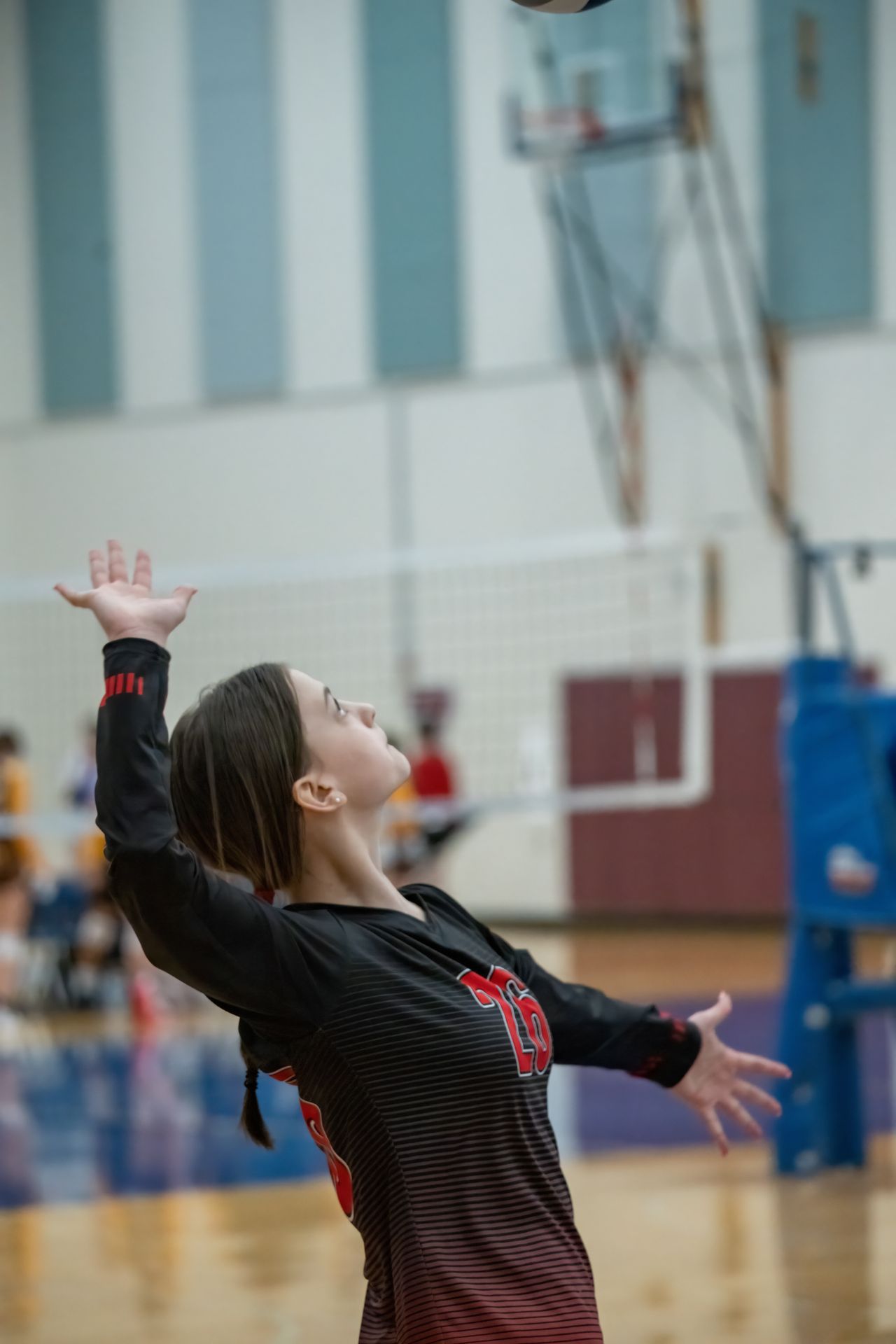
Washington’s volleyball identity is built around the same traits that define much of the Pacific Northwest sports scene: strong school programs, serious club development, outdoor participation, and a competitive college presence that gives the sport visibility beyond recreational play. It is not a state where volleyball belongs to only one lane. Indoor volleyball has the deepest structure, especially through high schools, junior clubs, and NCAA programs, while beach, grass, and park volleyball add a distinctive outdoor layer in the Seattle area, along Puget Sound, and across the state’s active summer sports culture.
Washington is not usually described with the same shorthand as California beach volleyball or Nebraska college volleyball, but it has a real volleyball profile. The state has produced strong athletes, hosted serious junior competition, developed nationally relevant college programs, and maintained a broad participation base from Seattle and Tacoma to Spokane, Vancouver, Bellingham, and the Tri-Cities. Its volleyball story is less about a single dominant tradition and more about a full ecosystem: school gyms, club tournaments, college arenas, community centers, beach courts, and summer grass events all feeding into the sport’s local identity.
A State Shaped by School and Club Volleyball
The backbone of Washington volleyball is the school-to-club pathway. Girls volleyball has long had a strong place in the state’s high school sports culture, with competitive programs spread across both large urban districts and smaller communities. In the Seattle metro, the Eastside, Spokane, Vancouver, and other population centers, high school volleyball is often supported by year-round club participation, private coaching, and regional tournament travel.
That club layer matters because Washington players often compete in a crowded West Coast recruiting environment. Athletes are measured not only against others in their own state, but against players from Oregon, California, Idaho, and the broader Pacific Northwest. That pressure has helped sharpen the level of play. Setters are expected to run faster offenses earlier, outside hitters face stronger blocks, liberos develop under heavier serve pressure, and middles are asked to become more than emergency attackers in transition.
Washington’s junior club scene gives the state much of its competitive depth. The best programs serve as training centers, recruiting platforms, and cultural anchors for serious players. For many athletes, high school volleyball provides the local identity, while club volleyball provides the technical acceleration. That combination is central to the state’s volleyball reputation.
The College Game Gives Washington Its Higher Ceiling
College volleyball has given Washington its most visible place in the national conversation. The University of Washington women’s program has been one of the state’s defining volleyball institutions, with a history that includes national relevance, postseason success, elite coaching, and a reputation for producing complete, disciplined teams. Washington’s best teams have typically been associated with physical blocking, strong floor defense, and balanced attacking rather than a one-dimensional style.
Washington State has also been important to the state’s volleyball identity. Based in Pullman, the Cougars have helped give elite indoor volleyball a presence outside the Seattle corridor, showing that the state’s competitive map is not limited to the west side. Their success has mattered for visibility, recruiting, and the idea that Washington athletes can develop within the state and still play meaningful high-level college volleyball.
Beyond the largest programs, Washington’s volleyball landscape includes smaller colleges, community colleges, and regional programs that expand opportunity. That matters in a state with long travel distances and distinct regional sports cultures. For players who are not immediate Power Five-level recruits, the state still offers pathways to continue competing, develop later, and stay connected to the sport.
Seattle, Puget Sound, and the Outdoor Layer
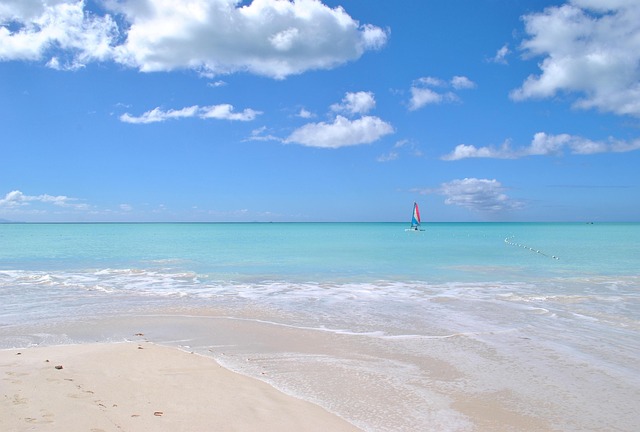
Washington’s climate does not create the same year-round beach volleyball identity as Southern California or Florida, but the outdoor game still matters. In and around Seattle, beach and grass volleyball have become important parts of the sport’s recreational and competitive culture, especially during the warmer months. Parks, waterfront areas, and sand courts give the sport a different rhythm from indoor club season.
This outdoor layer is one of the reasons Washington volleyball feels broader than a gym-only culture. Beach volleyball rewards ball control, reading, communication, and all-around skill. Grass volleyball adds another summer outlet, often drawing indoor players who want touches outside the formal club calendar. For adult players, outdoor volleyball can be the most accessible version of the sport: less tied to school affiliation, less expensive than elite junior club travel, and easier to build around community.
The Seattle area is especially important here. It has the population density, young adult recreation culture, corporate workforce, university presence, and park infrastructure to support volleyball as both a competitive and social sport. Indoor volleyball may produce the state’s strongest elite pathway, but outdoor play helps keep the sport visible across age groups.
A Volleyball Culture Spread Across Regions
One of Washington’s strengths is that volleyball is not restricted to a single city. Seattle and the surrounding suburbs carry much of the state’s club and college visibility, but Spokane has its own serious sports culture, Vancouver connects naturally with the Portland-area volleyball scene, and central and eastern Washington provide strong school-based competition.
That regional spread affects the way volleyball develops. Players from smaller communities often rely heavily on school programs and regional clubs, while athletes in larger metros may have more access to specialized coaching, position training, and high-level tournaments. The state’s geography creates challenges, but it also gives Washington volleyball a wider identity. A player from Spokane, Yakima, Tacoma, Bellingham, or Bellevue may come through very different environments while still feeding into the same statewide competitive structure.
Washington volleyball also benefits from the state’s broader athletic culture. Soccer, basketball, softball, track, and outdoor sports all compete for athletes, but they also help create multi-sport players with movement skills, coordination, and competitive habits that translate well to volleyball. Many of the state’s stronger volleyball players are not developed in isolation. They come from athletic households, multi-sport school environments, and communities where year-round training is common.
What Washington Contributes to the Volleyball Map
Washington’s contribution to American volleyball is depth, balance, and development. It is not simply a beach state, a college-only state, or a recreational market. It has enough elite indoor structure to matter nationally, enough outdoor culture to give the sport variety, and enough school and club infrastructure to keep producing players.
The state’s best volleyball is technical and disciplined. Strong Washington teams often value serve receive, defensive organization, and transition play. In a region where travel competition can be demanding, players learn early that athleticism alone is not enough. Ball control, court vision, and tactical awareness become separating traits.
The future of volleyball in Washington looks tied to three forces: continued growth in junior club participation, the visibility of college programs, and the expansion of outdoor and adult volleyball in dense metro areas. Girls volleyball remains the strongest and most established part of the ecosystem, but boys volleyball and beach volleyball both have room to grow. If facilities, coaching access, and competitive opportunities continue improving, Washington has the foundation to become an even stronger volleyball state.
Washington volleyball works because it has layers. It has school pride, college ambition, club seriousness, beach and grass participation, and a regional sports culture that rewards athletes who can adapt. That blend gives the state a volleyball identity that is competitive without being narrow, outdoor-friendly without being defined only by the beach, and established without feeling finished.