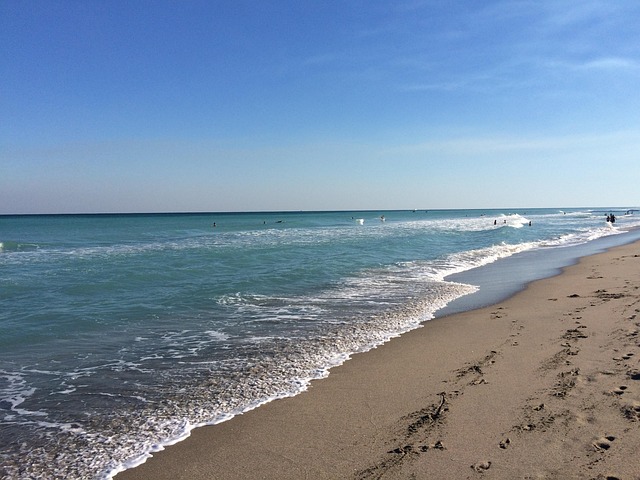
Mozambique’s volleyball identity is increasingly tied to beach volleyball. Indoor volleyball still has a place in the country’s broader sports system, but Mozambique’s clearest international volleyball momentum has come on the sand, where its athletes have begun turning regional success into continental visibility and world-stage ambition. With a long Indian Ocean coastline, a strong beach setting around Maputo, and recent FIVB development support, Mozambique has one of the more interesting emerging beach volleyball stories in Africa.
The country’s volleyball development is overseen by the Mozambique Volleyball Federation, which has been part of the sport’s African structure through CAVB. The federation has gone through leadership and development cycles aimed at making volleyball more competitive, but the most visible progress has been in beach volleyball rather than the indoor game. That distinction matters. Many emerging volleyball countries try to build indoor programs first, but beach volleyball can offer a more direct international pathway when coaching, tournament access, athlete selection, and federation investment align.
Mozambique’s beach program has gained attention because it is no longer just participating regionally; it is producing podium-level results. FIVB coverage has highlighted Mozambique’s push toward the top level of beach volleyball, including continental success, World Championship appearances, and support through the Volleyball Empowerment program. The country’s women’s and men’s pairs have also made the podium at African and Zone VI events, showing that the program has depth across both sides of the draw rather than relying on a single isolated team.
Maputo is central to that story. Costa do Sol beach has become an important competition setting, and Mozambique-hosted CAVB Zone VI Beach Volleyball Tour stops have given local athletes the benefit of meaningful regional matches at home. In 2026, Mozambique’s Vanessa Muianga and Angela Tembe won women’s gold at a Zone VI stop in Maputo, while other Mozambican teams reached the podium in both women’s and men’s competition. That kind of home-event success can be important for a developing volleyball nation because it connects athlete performance, federation organization, crowd visibility, and youth aspiration in one place.
The player-development question for Mozambique is how to convert this beach success into a sustainable system. FIVB Empowerment coaching support has been a major part of the program’s recent progress, including technical support for senior beach teams. That can raise standards in serving strategy, side-out efficiency, transition defense, blocking assignments, and match preparation. The next stage is broader: more trained coaches, more junior beach pairs, more domestic tournaments, and stronger links between school sport, local clubs, and elite selection.
Indoor volleyball in Mozambique remains part of the national landscape, but it does not currently carry the same international profile as the beach program. The indoor game needs facilities, regular league structures, coaching depth, and player retention to build competitive national teams. Beach volleyball, by contrast, has already given Mozambique a clearer identity: athletic, coastal, ambitious, and increasingly comfortable in African competition.
Mozambique’s future in volleyball is likely to be decided on the sand first. If the federation can keep building from senior results down into youth development, Mozambique can become one of Africa’s more recognizable beach volleyball nations. The country’s ceiling will depend on consistency: keeping top pairs active, creating more competition opportunities, and turning a promising development cycle into a durable national volleyball culture.