Uruguay is not one of South America’s loudest volleyball countries, but that is exactly what gives its volleyball identity a distinct shape. In a region where Brazil dominates the elite conversation and Argentina carries a deep indoor tradition, Uruguay occupies a more modest but still meaningful position: a developing volleyball nation with historic roots, a small-player-pool challenge, a practical indoor base, and a beach volleyball scene that fits naturally with the country’s coastline.
Volleyball in Uruguay sits in the shadow of football, rugby, basketball, and other sports with stronger professional structures. That does not mean the sport is absent. It means volleyball has had to grow through federation work, school participation, club commitment, and targeted development rather than through mass-market attention. The result is a volleyball culture that is quieter than those of its neighbors but still connected to the wider South American game.
A Small Country in a Demanding Volleyball Region
Uruguay’s volleyball story is shaped by geography as much as by sport. The country is wedged between two of the most influential sporting nations in South America: Brazil and Argentina. That location gives Uruguay access to a high-level regional volleyball environment, but it also raises the competitive standard. South American volleyball is not an easy neighborhood. Brazil has long been a world power in both indoor and beach volleyball, while Argentina has produced strong men’s teams, professional players, and a serious club culture.
For Uruguay, that means regional competition often comes with a steep climb. The national teams do not carry the same global visibility as Brazil, Argentina, or Peru, but they operate inside a confederation where even smaller nations are exposed to demanding opponents. That kind of environment can be unforgiving, yet it also gives Uruguay a clear measure of progress. Improvements in serve receive, blocking organization, transition play, and physical preparation are tested quickly in South American events.
The women’s game has an older historical marker in Uruguay’s volleyball record. Uruguay’s women were part of the early South American championship picture, including a silver-medal finish at the first women’s continental championship in 1951. That result belongs to a very different era of the sport, but it matters because it shows that Uruguay was present in organized regional volleyball before the modern power structure fully settled in. Over time, Brazil and Peru became stronger forces in women’s volleyball, and Uruguay’s role became more developmental.
Indoor Volleyball and the Club Base
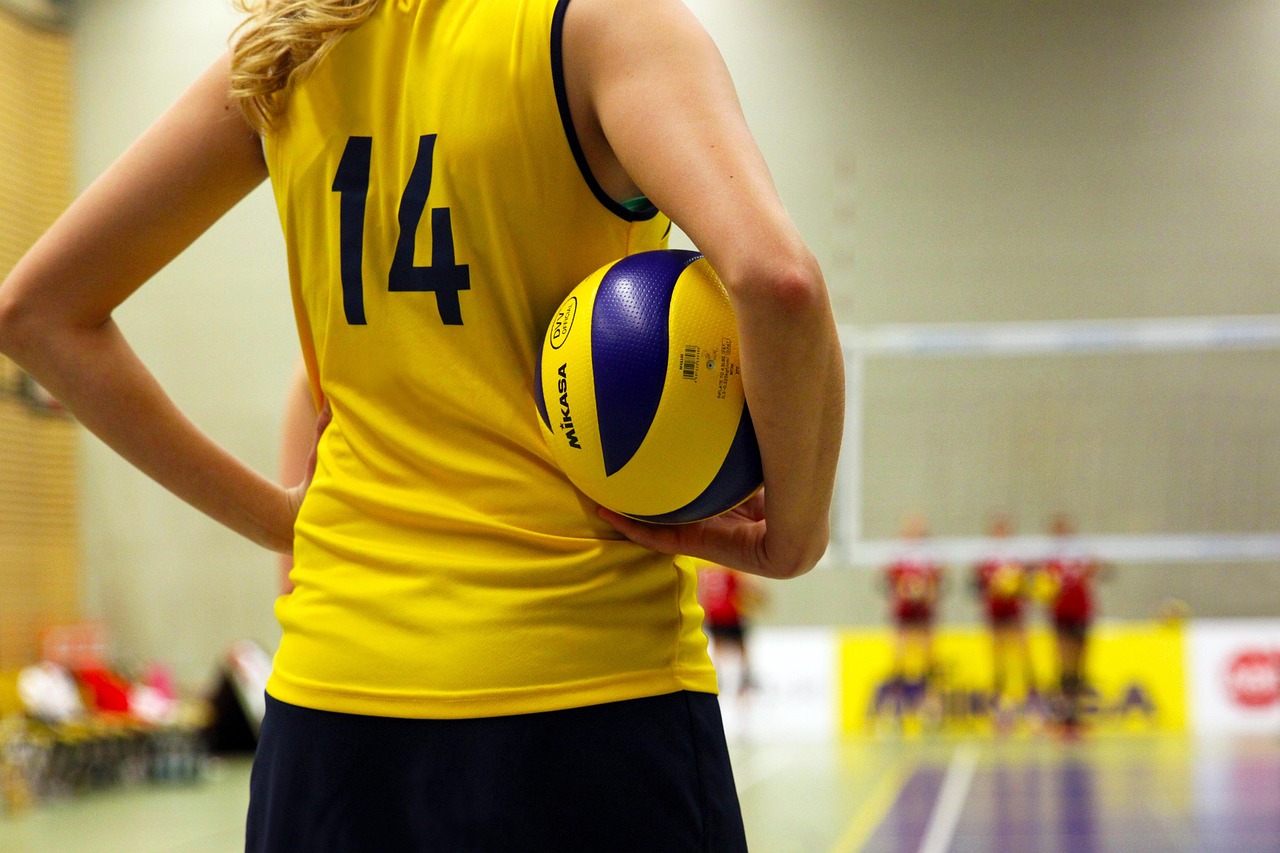
Indoor volleyball in Uruguay depends heavily on clubs, schools, and federation organization. The sport does not have the same professional depth or national visibility as in larger volleyball countries, so the club structure carries much of the responsibility for keeping the game active. This is where players learn the sport’s details: first contact, setter decision-making, defensive coverage, middle-blocker timing, and the rhythm of six-player volleyball.
The indoor game in Uruguay is best understood as a participation-and-development system rather than a star-driven professional scene. The country’s smaller population naturally limits the number of elite athletes available at each age group. That makes coaching and retention especially important. A larger country can lose players to other sports and still maintain depth. Uruguay has less margin. When a promising outside hitter, libero, setter, or middle blocker emerges, the system needs enough competition and training quality to keep that player engaged.
That challenge also shapes the national teams. Uruguay’s national volleyball identity is built less on constant international breakthroughs and more on the effort to remain competitive within South America’s second tier. For the men and women, every continental tournament is a chance to test whether domestic development is producing players who can handle faster tempo, bigger blocks, and more aggressive serving. The issue is not only height or athleticism. It is also the number of high-pressure matches available before players reach senior competition.
Beach Volleyball Fits the Country’s Shape
Beach volleyball gives Uruguay a different kind of volleyball identity. With an Atlantic coastline, summer beach culture, and destinations such as Montevideo’s waterfront and the Maldonado/Punta del Este area, outdoor volleyball feels more naturally visible than the indoor game in some settings. Uruguay is not a global beach volleyball power, but the beach discipline gives the country a practical lane for growth.
Beach volleyball also suits smaller countries in a specific way. A national program does not need to develop a full indoor roster with depth at every position to become competitive. It needs pairs with strong ball control, endurance, communication, serve pressure, and the ability to side out under stress. That does not make the sport easy, especially in South America, where Brazilian teams set a world-class standard. But it gives Uruguay a clearer pathway to regional relevance.
The development of Uruguayan beach volleyball has received international support in recent years, including coaching and program assistance aimed at improving national-team preparation. That type of support matters because beach volleyball is technical in ways that are not always visible to casual viewers. The best teams are not only athletic; they read angles, manage wind, disguise shots, and serve tactically. For Uruguay, stronger coaching can help convert a natural beach environment into a more structured competitive pathway.
Player Development in a Football-First Country
The central question for volleyball in Uruguay is not whether the country can produce athletes. It can. The larger issue is whether volleyball can consistently find, train, and keep enough of them. In a football-first culture, many young athletes are pulled toward the country’s dominant sport early. Basketball and rugby also compete for tall, coordinated players who might otherwise become middle blockers, opposites, or outside hitters.
That makes schools and youth clubs important entry points. Volleyball can appeal to athletes who like team structure, fast reactions, and technical development. It can also provide a strong competitive home for girls and women, particularly where school and club programs create reliable competition. A young player does not need to see volleyball as the biggest sport in the country. They need a coach, a team, matches that matter, and a pathway that feels real.
The strongest development environments in Uruguay are likely to be those that connect youth participation to senior club competition and national-team scouting. If players can move from school volleyball into club training, then into regional tournaments and federation programs, the sport becomes more than an activity. It becomes a pathway.
Uruguay’s Place in South American Volleyball
Uruguay’s competitive reputation is defined by ambition within limits. The country is not expected to challenge Brazil’s indoor machinery or Argentina’s men’s volleyball tradition year after year. Its more realistic target is to become a better organized, more consistent, more technically sound volleyball country that can compete well against similarly sized programs and occasionally pressure stronger regional opponents.
That kind of progress is not always dramatic, but it is meaningful. In volleyball, the gap between a developing team and a competitive regional team often comes down to details: fewer missed serves, better first-ball contact, smarter out-of-system swings, more disciplined blocking, and improved defensive positioning. Uruguay’s growth depends on those details becoming standard across its best clubs and national-team groups.
The beach game may offer the clearest route to broader recognition. A strong pair can move faster through regional competition than an indoor program trying to build depth across twelve or more players. If Uruguay continues to invest in beach coaching, youth identification, and international exposure, it can make beach volleyball one of the country’s most visible volleyball assets.
The Direction of Volleyball in Uruguay
The future of volleyball in Uruguay will likely be built through targeted development rather than sudden transformation. The country’s size and sporting landscape make it unlikely that volleyball will become a dominant national sport. But it can become better organized, more competitive, and more visible in the right settings.
Indoor volleyball needs stronger youth retention, deeper coaching, and more consistent competitive structures. Beach volleyball needs continued support, international match experience, and a clear connection between summer participation and elite development. The women’s game can remain an important pillar because volleyball often grows strongly where girls’ and women’s team sports receive serious school and club backing.
Uruguay’s volleyball identity is therefore not about being a giant. It is about being a compact South American program trying to use its clubs, coastline, and regional competition more intelligently. In a demanding volleyball continent, that is a serious project.