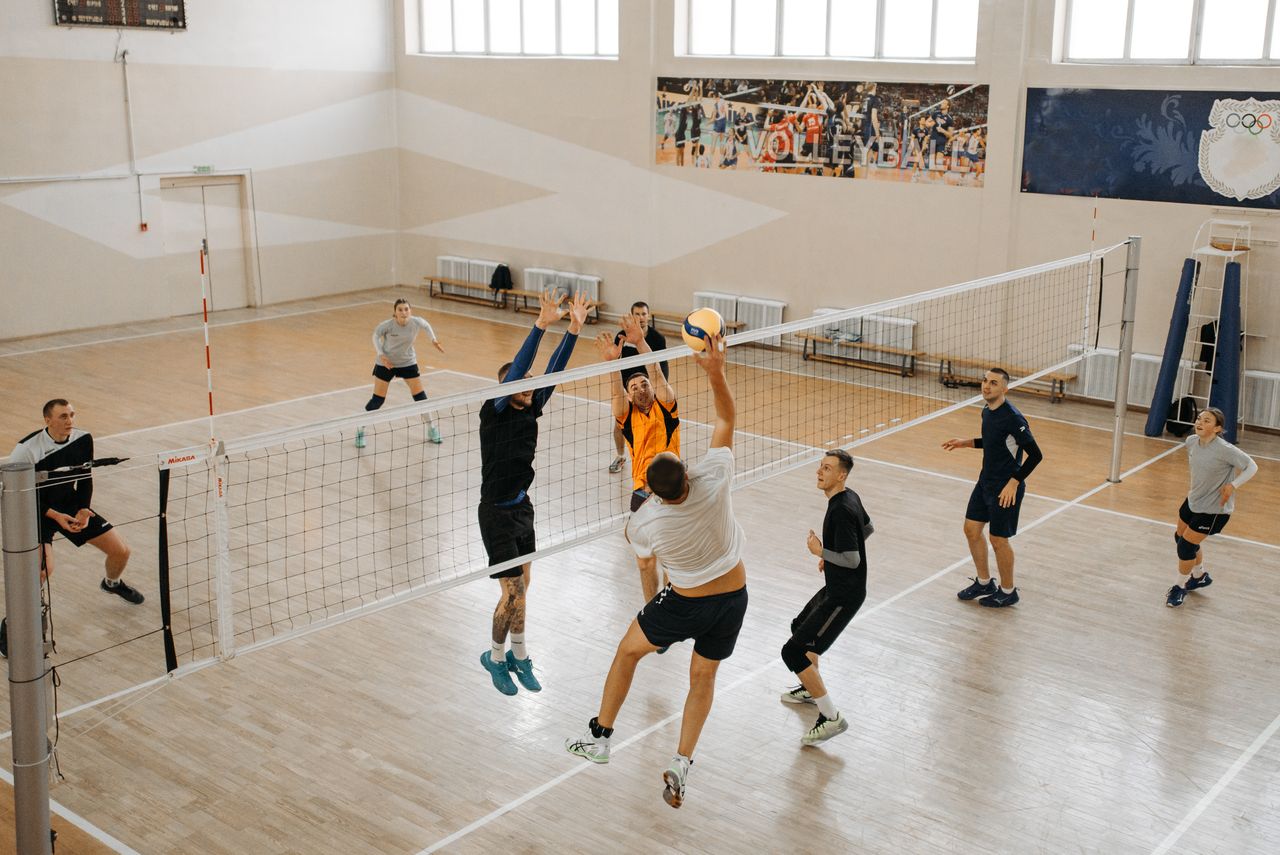
Lebanon’s volleyball identity is one of the more interesting in West Asia because it combines indoor ambition, women’s national-team progress, club tradition, and a growing beach volleyball profile. The country is not one of Asia’s largest volleyball powers, but it has produced serious regional results. Its strongest recent story is women’s volleyball, where national-team and youth beach achievements have given Lebanon a sharper competitive identity.
Women’s Volleyball as the Leading Edge
Lebanon’s women’s national team has become the clearest symbol of the country’s volleyball momentum. The major breakthrough came at the first West Asian Women’s Volleyball Championship in Jordan in 2022, where Lebanon won the title with an unbeaten record. In the final, Lebanon beat host Jordan 3-0, closing the tournament with a convincing championship performance.
That result matters because West Asian volleyball is a regional tier where Lebanon can realistically build status. Against the deepest Asian powers, Lebanon still faces a major gap in size, professional depth, and international experience. But within West Asia, a well-organized Lebanese team can compete with confidence. The women’s program has shown that Lebanon can win regional matches through discipline, serving pressure, and balanced attacking rather than relying only on individual talent.
The FIVB also noted that Lebanon’s federation saw positive results after development support, including the men’s U19 national team finishing fourth at the West Asia U19 Championship and the women’s national team winning the 2022 West Asia title.
A Volleyball Country with Club and Federation Roots
Lebanon’s indoor volleyball culture has long depended on clubs, federation organization, and regional competition. In a country where basketball and football often attract broader mainstream attention, volleyball has held a place through schools, clubs, and community-based sport. The club model is especially important because it gives players a more consistent environment than occasional national-team activity alone.
For Lebanon, the technical identity of indoor volleyball must be built around control. Regional success often comes from serving tough enough to disturb the opponent’s offense, keeping the first contact steady, and giving setters enough options to use the middle as well as the pins. The country’s best pathway is not simply producing one standout outside hitter or opposite. It is developing enough passers, liberos, setters, and middle blockers to raise the floor of the national team.
The men’s side has not had the same recent headline as the women’s West Asian championship, but youth results still matter. A fourth-place regional U19 finish indicates that Lebanon has enough young male talent to compete in its neighborhood, even if the senior men’s team has a tougher climb to broader Asian relevance.
Beach Volleyball and a Mediterranean Advantage
Lebanon’s coastline gives it a natural opening in beach volleyball, and recent results suggest that the beach game could become more than a recreational side branch. In 2025, Lebanon’s women’s beach volleyball teams won gold and bronze at the West Asian Volleyball Association U20 Women’s Beach Volleyball Championship in Doha.
That result is significant because beach volleyball rewards countries that can develop versatile athletes. On sand, players must pass, set, attack, block, defend, and read the game with fewer hiding places than in indoor volleyball. For Lebanon, youth beach success can strengthen the wider volleyball ecosystem. It gives young athletes another route into international competition and gives the federation a discipline where smaller countries can sometimes move faster than they can indoors.
The Future of Lebanese Volleyball
Lebanon’s volleyball future looks strongest when indoor and beach development reinforce each other. The women’s national team has already proved it can win in West Asia. The youth beach program has shown promise. The next step is turning those moments into a repeatable structure: more age-group competition, better coaching continuity, stronger club-to-national-team links, and more international matches.
Lebanon’s volleyball ceiling is not fixed by its size. Its challenge is consistency. If the federation can keep women’s volleyball moving forward, strengthen men’s youth development, and use the beach game as a serious competitive pathway, Lebanon can remain one of West Asia’s more credible volleyball countries.