Sierra Leone’s volleyball identity is that of an emerging African volleyball country where the sport competes for space in a crowded athletic landscape but retains strong potential through schools, community programs, youth participation, and national federation activity. Football dominates public attention, as it does across much of West Africa, but volleyball has qualities that make it a practical and valuable sport for development: it can be played indoors or outdoors, requires limited equipment compared with many sports, and builds athletic skills that translate well across age groups.
The volleyball story in Sierra Leone is not defined by a long list of global trophies or professional club dynasties. It is defined by resilience, participation, and the ongoing work of creating a more consistent competitive structure. In that sense, Sierra Leone fits the profile of a developing volleyball country: the talent pool exists, the game has a place in schools and communities, but the sport’s ceiling depends on organization, coaching, facilities, and regular competition.
A Developing Volleyball System
Volleyball in Sierra Leone is shaped by the realities of sports development in a country where resources are limited and national attention is often concentrated elsewhere. That makes the structure behind the sport especially important. Schools, community clubs, local coaches, and national volleyball administrators form the backbone of the game. Without a large professional league or deep commercial base, volleyball depends on people who are willing to build teams, train athletes, organize competitions, and keep the sport visible.
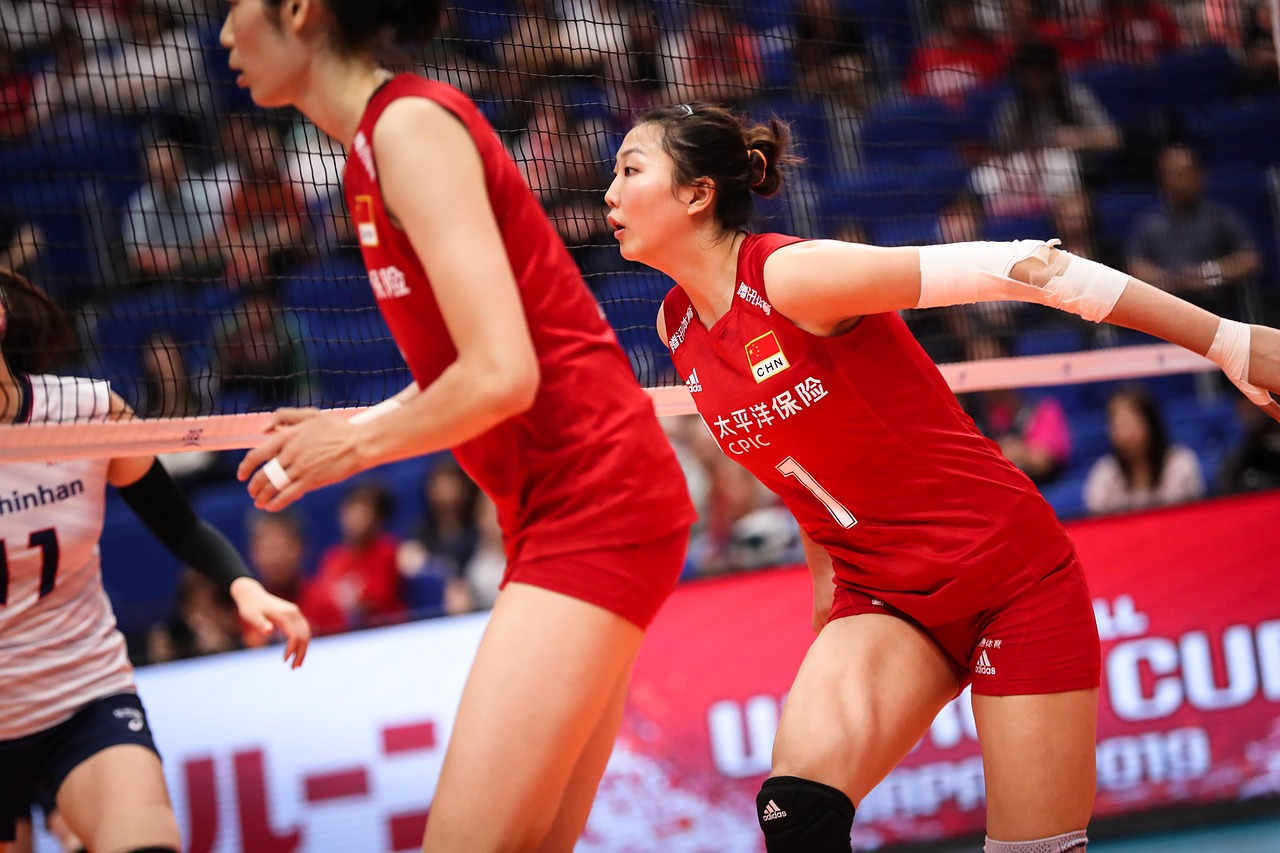
Indoor volleyball is the main competitive version of the sport. It provides the clearest route into organized team play, national representation, and regional competition. The indoor game demands technical discipline. Players must learn controlled passing, accurate setting, timed attacking, blocking systems, defensive coverage, serving pressure, and rotation management. Those details matter because they are what allow a developing team to compete against more established programs.
Sierra Leone’s player pool can benefit from the country’s natural athletic profile. Volleyball rewards explosiveness, coordination, speed, reach, and quick reaction. In a strong development environment, athletic young players can become effective outside hitters, middle blockers, opposites, setters, and defensive specialists. The challenge is converting raw athletic ability into volleyball-specific skill through repetition and quality coaching.
Schools, Communities, and Youth Pathways
The most important long-term question for Sierra Leone volleyball is youth development. A sustainable volleyball system needs players entering the sport early enough to learn technique before they reach senior competition. Schools are central to that process. A school volleyball program can introduce the game to players who may not otherwise encounter it, especially girls and young women who benefit from organized team-sport opportunities.
Community volleyball also matters. Outdoor courts, local competitions, and informal teams help keep the sport present even when formal infrastructure is limited. Volleyball does not always need a polished arena to grow. It needs a playable court, a net, a ball, a coach or organizer, and enough regular participation to create competition. In countries where sport often grows through local initiative, those basic ingredients can be powerful.
For the women’s game, volleyball can be especially important. Across many African volleyball environments, women’s teams often become central to national development because the sport fits school systems and international competition pathways. Sierra Leone has room to use volleyball as a stronger platform for female athletic development, especially if school competitions, club teams, and national squads are connected more clearly.
Regional Competition as a Measuring Stick
For Sierra Leone, regional African volleyball competition is the most important benchmark. The country does not need to measure itself first against the elite indoor powers of Europe, South America, or Asia. The better question is whether Sierra Leone can build consistency within West African and continental competition. That means improving serve receive, reducing unforced errors, building more organized blocking schemes, and developing setters who can run a balanced offense.
The future of volleyball in Sierra Leone depends on practical growth rather than sudden transformation. More coach education, stronger school competitions, better access to courts, regular national tournaments, and clearer player pathways would give the sport a firmer base. Beach volleyball may also have room to grow in coastal areas, but indoor volleyball remains the more important competitive foundation.
Sierra Leone volleyball is still a building project. Its identity is not yet fixed by international reputation, which gives the sport room to define itself. With sustained development, the country can become more competitive regionally and create a volleyball culture that gives young athletes another serious pathway beyond the dominant sports.