Brazil as volleyball superpower is not built on one team, one golden generation, or one Olympic run. It is the result of a broad volleyball culture that has produced elite indoor teams, beach volleyball legends, world-class coaches, and a fan base that treats the sport as a major national stage. Brazil’s rise matters because few countries have succeeded so completely across both versions of volleyball. The men’s and women’s indoor teams became global powers, while Brazilian beach volleyball became one of the sport’s defining forces. Together, those achievements made Brazil one of the most complete volleyball nations in the world.
From National Passion to International Volleyball Power
Volleyball found a strong home in Brazil because it fit the country’s wider sporting culture: athletic, expressive, technical, and deeply social. While football has always occupied the largest space in Brazilian sport, volleyball developed into one of the country’s most successful and widely followed team sports. Schools, clubs, beaches, and national-team success all helped turn volleyball into more than a secondary athletic option.
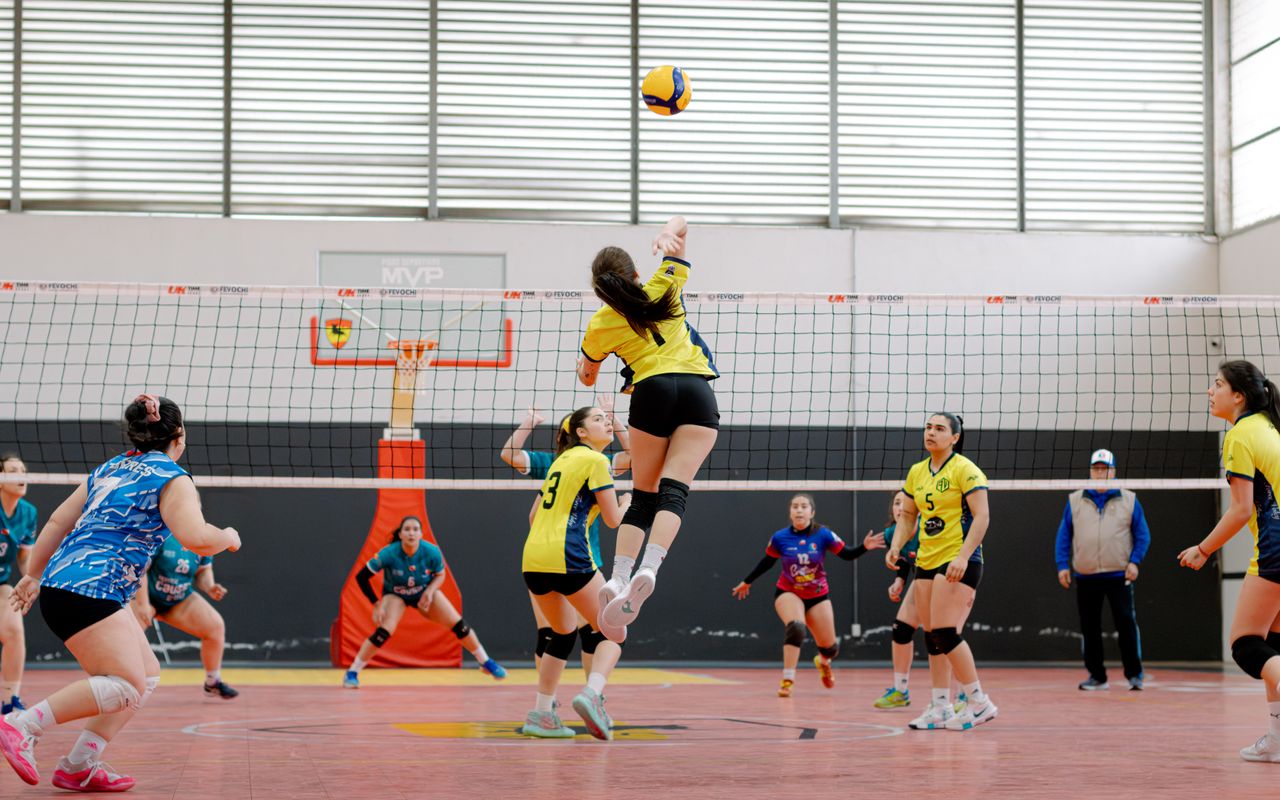
Brazil’s indoor rise was tied to strong coaching, improved federation structure, and a deep pool of athletes who brought speed and creativity to the court. The country became especially known for a style that blended power with rhythm. Brazilian teams could play with emotion and flair, but their best sides were also tactically disciplined, technically sharp, and comfortable in long pressure matches.
By the late 20th and early 21st centuries, Brazil had become a regular presence at the top of international volleyball. Olympic medals, World Championship runs, and major international titles turned the country into a standard opponent for every other elite program. Beating Brazil became a benchmark. Losing to Brazil became part of the cost of competing at the highest level.
Brazil as Volleyball Superpower Across Indoor and Beach Volleyball
The clearest proof of Brazil as volleyball superpower is the country’s success across both indoor and beach volleyball. Many nations specialize in one version of the sport. Brazil became elite in both.
The men’s indoor team built one of volleyball’s great modern eras behind stars such as Giba, Sérgio, Dante, Ricardo, Murilo, and others, with Bernardinho becoming one of the sport’s defining coaches. That generation made Brazil a model of tempo, balance, and competitive control. The team could overwhelm opponents physically, but its real strength came from system quality: serve pressure, clean passing, quick setting, and attackers who understood how to score in different situations.
Brazil’s women’s indoor team also became a major world force, with Olympic success and stars such as Sheilla Castro, Jaqueline Carvalho, Fabiana, Thaisa, Fernanda Garay, and later Gabi Guimarães. The women’s program gave Brazil another layer of international credibility, showing that the country’s volleyball infrastructure was not dependent on one men’s generation or one isolated era.
Beach volleyball added even more weight to Brazil’s reputation. The country’s beaches became natural training grounds, and Brazilian teams developed into some of the most consistent Olympic and world-level contenders in the sport. Players such as Emanuel Rego, Ricardo Santos, Jackie Silva, Sandra Pires, Shelda Bede, Adriana Behar, Alison Cerutti, Bruno Schmidt, Ana Patrícia, and Duda helped make Brazil one of beach volleyball’s central nations.
That indoor-beach combination is what separates Brazil from most volleyball countries. Brazil did not merely produce strong national teams. It produced a volleyball ecosystem.
Why Brazil’s Volleyball Legacy Still Matters
Brazil’s volleyball legacy matters because it changed the sport’s competitive map. The country proved that volleyball could become a national spectacle outside the traditional European and Asian power structures. Brazil brought crowds, emotion, athleticism, tactical sophistication, and star power to both indoor and beach volleyball.
The country also helped shape how modern volleyball is watched. Brazilian teams often play with visible energy, but their success has never been only about emotion. At their best, they have been among the most complete teams in the world: strong in serve receive, aggressive in transition, creative in attack, and resilient under pressure. That balance made Brazil a model for national programs trying to combine talent development with international consistency.
Brazil’s beach volleyball influence may be even more culturally distinctive. The country helped define the Olympic image of beach volleyball as a serious, elite, technically demanding sport. Its best teams brought defensive range, partnership chemistry, and court intelligence to a format that can look simple until two world-class players begin controlling wind, sand, angles, and space.
Brazil as volleyball superpower remains one of the sport’s defining national stories because it spans formats, genders, and generations. Few countries have built such a complete volleyball identity. Brazil’s place in the sport is not tied to a single golden moment; it is built on decades of teams, players, coaches, and fans making volleyball a major part of national sporting life.