Yemen’s volleyball identity is best understood as an emerging West Asian scene built around club commitment, community competition, and pockets of serious enthusiasm rather than a deep international résumé. The country does not sit among Asia’s major indoor volleyball powers, but volleyball has maintained a place in Yemen’s sports life through local clubs, holiday tournaments, school participation, and regional federation activity. In a difficult sporting environment, the game’s durability is part of the story. Volleyball in Yemen is not defined by constant international visibility; it is defined by the ability of clubs, players, and organizers to keep the sport active where facilities, travel, funding, and national stability can all be major constraints.
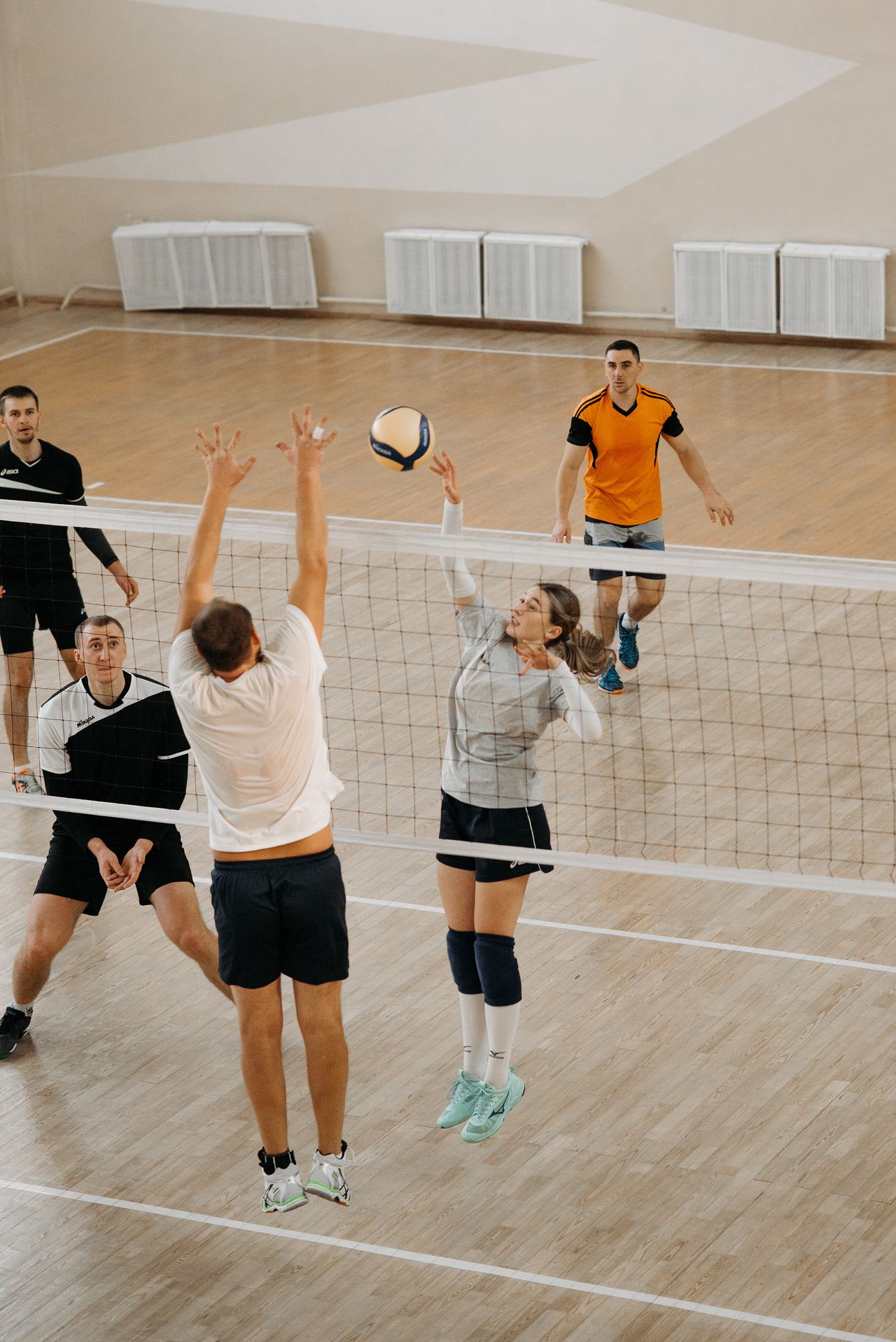
Indoor volleyball is the center of Yemen’s competitive identity. The sport fits naturally into club gyms and community sports settings, where organized teams can train, compete, and build local followings without needing the large infrastructure required by some other sports. Yemeni volleyball has historically been connected to the West Asian volleyball framework, giving the country a regional context alongside nations such as Jordan, Lebanon, Oman, Qatar, Saudi Arabia, Syria, Bahrain, Iraq, Kuwait, Palestine, and the United Arab Emirates. That regional placement matters because Yemen’s realistic volleyball pathway is not immediate contention with Asia’s giants. It is steady development through West Asian competition, club events, youth tournaments, and federation-backed participation.
The domestic club scene gives Yemeni volleyball its strongest pulse. Local tournaments can draw real interest, particularly when tied to community calendars and holiday periods. Club volleyball creates the setting where setters, outside hitters, middles, liberos, and opposite hitters learn the game in a structured environment. For Yemen, that structure is especially important. A country trying to grow volleyball needs more than occasional national-team appearances; it needs clubs that can train players repeatedly, coaches who can teach serve receive and blocking systems, and competitions that give athletes meaningful match experience. The more consistent those domestic events become, the more realistic it is for Yemen to raise the level of its national programs.
Beach volleyball has a smaller but meaningful role in Yemen’s volleyball profile. The country’s geography gives it access to coastal volleyball possibilities, but beach volleyball development depends heavily on organization, travel, and tournament structure. Yemen’s participation in regional youth beach volleyball events shows that the sand game is part of the broader development picture, even if it has not yet become the country’s defining volleyball identity. For younger athletes, beach volleyball can be useful because it sharpens all-around skills: serving, passing, reading attackers, setting under pressure, and defending in space. In countries with limited indoor infrastructure, outdoor volleyball can also help widen access to the sport.
The biggest challenge for Yemen is converting enthusiasm into a reliable player pathway. Volleyball development depends on repetition. Players need regular training, coaches need education, clubs need stable competition, and national teams need enough preparation time to be competitive. Yemen has the basic ingredients of a volleyball culture: club interest, fan support in certain events, regional affiliation, and athletes willing to compete. The harder task is creating continuity from youth participation into senior competition.
Yemen’s volleyball future will likely be measured in gradual steps rather than sudden breakthroughs. Stronger domestic championships, more youth competitions, better coaching education, and more regular West Asian participation would all raise the country’s floor. Yemen may not be positioned as a major Asian volleyball power, but it has a real volleyball story: a sport sustained by clubs and communities, trying to build structure in a challenging environment, with indoor volleyball as the foundation and beach volleyball as a secondary development lane.