South Carolina volleyball has a hybrid identity shaped by college athletics, coastal growth, beach volleyball, and a rising indoor development scene. The state is not defined by one version of the sport. It has SEC indoor volleyball in Columbia, a nationally visible beach volleyball program at South Carolina, coastal volleyball energy around Charleston and Myrtle Beach, Sun Belt competition at Coastal Carolina, a revived Clemson indoor program, and a deep spread of smaller college programs that give athletes more options than the state’s football-first reputation might suggest.
That mix gives South Carolina a volleyball profile with more range than many people expect. It is not purely a beach state, even with its coastline. It is not purely an indoor state, even with major college programs. It is a place where the sport is developing through multiple channels at once: school gyms, college arenas, club tournaments, beach facilities, coastal communities, and recruiting networks that connect the state to the broader Southeast.
A State Where Indoor and Beach Volleyball Both Matter
The most distinctive feature of South Carolina volleyball is the way indoor and beach volleyball coexist. In many states, one version of the sport clearly dominates the identity. In South Carolina, the indoor game has the traditional structure, but beach volleyball has become a serious part of the state’s college sports profile.
The University of South Carolina is central to both conversations. Gamecock indoor volleyball gives the state a presence in the SEC, one of the most visible athletic conferences in the country. Competing in the SEC matters because it places South Carolina volleyball against programs with major resources, strong recruiting brands, and increasingly serious volleyball investment. The conference’s volleyball profile has grown, and South Carolina’s presence in that landscape keeps the state connected to the highest level of regular-season college competition in the region.
But South Carolina’s beach volleyball program gives the state something more distinctive. Beach volleyball at the college level requires a different kind of roster construction, training rhythm, and competitive mentality. Pairs have to manage serve pressure, wind, shot selection, defensive reads, and partnership chemistry in a way that differs sharply from the six-player indoor game. For South Carolina, having a serious beach program gives the state a volleyball identity that feels connected to both campus athletics and the coastline.
That matters culturally. South Carolina has the geography to support outdoor volleyball, especially near Charleston, Hilton Head, Myrtle Beach, and other coastal areas. The college beach game gives that outdoor identity a competitive anchor rather than leaving it only as a recreational or tourism-linked activity.
Columbia, Clemson, Conway, and Charleston
South Carolina’s volleyball map is spread across several distinct athletic centers. Columbia is the state’s SEC hub, with the Gamecocks carrying the most recognizable in-state brand. The University of South Carolina’s volleyball programs give the capital city a central role in the sport’s profile, especially because SEC affiliation brings visibility beyond the state.
Clemson adds another major piece. The return of Clemson volleyball restored an important Power Four presence to the state’s indoor scene. Clemson’s athletic brand matters in South Carolina, and its volleyball program gives the Upstate a higher-profile connection to the sport. For high school and club athletes in the region, having Clemson active in volleyball gives the state another aspirational program and another reason for local players to view volleyball as part of the major college sports landscape.
Coastal Carolina gives the state a different kind of volleyball identity. Located in Conway near Myrtle Beach, Coastal connects indoor and beach volleyball to one of the state’s most recognizable coastal regions. The Chanticleers’ volleyball presence helps link the sport to the Grand Strand, where tourism, warm weather, and outdoor recreation already shape the area’s sports culture.
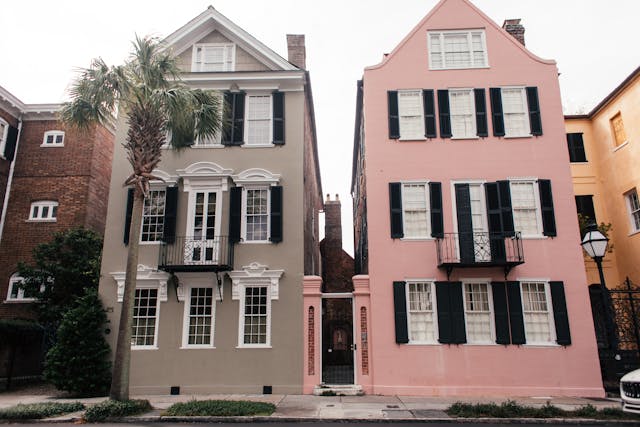
Charleston brings another layer through College of Charleston, The Citadel, Charleston Southern, and the broader Lowcountry sports scene. The Lowcountry has the right ingredients for volleyball growth: population movement, youth sports demand, coastal access, and a strong tournament-travel culture. Volleyball in this part of the state can draw from both school-based indoor competition and outdoor participation.
That geographic spread gives South Carolina volleyball balance. It is not trapped in one city. The sport has meaningful points of presence in the Midlands, Upstate, Pee Dee, Grand Strand, and Lowcountry.
The College Game as the State’s Main Volleyball Stage
College volleyball is the clearest public-facing platform for the sport in South Carolina. The state has a broad range of programs across NCAA levels and conferences, which gives athletes multiple competitive pathways. The Gamecocks, Clemson, Coastal Carolina, College of Charleston, Furman, Wofford, Winthrop, Presbyterian, Charleston Southern, South Carolina State, USC Upstate, and others all contribute to the state’s volleyball ecosystem in different ways.
That depth matters because volleyball development depends on visible endpoints. Young players are more likely to take the sport seriously when they can see college rosters, watch matches, attend camps, and understand what the next level looks like. South Carolina’s college landscape gives the sport those reference points.
The indoor game in the state reflects the broader Southeast: physical pins, athletic middles, increasing defensive sophistication, and a growing emphasis on year-round club training. The best teams need first-contact stability because serve pressure has become a separator at higher levels. Setters have to manage tempo and distribution. Liberos need to control serve receive and extend rallies. Outsides are asked to score from imperfect situations. Middles need to be quick enough to influence both blocking and transition offense.
As club volleyball has expanded across the Southeast, South Carolina athletes have gained more access to competitive training environments. The state still competes with larger recruiting markets such as Georgia, North Carolina, and Florida, but its internal volleyball infrastructure has grown stronger. That gives South Carolina players more chances to develop before they leave the state for larger tournaments or college opportunities.
Beach Volleyball Gives South Carolina a Distinct Edge
Beach volleyball is where South Carolina separates itself from many inland Southeastern states. The coastline gives the sport a natural recreational base, but college beach volleyball gives it a more serious competitive identity.
The University of South Carolina’s beach program has helped make the state part of the national college beach conversation. That is significant because beach volleyball is still a relatively young NCAA sport compared with indoor volleyball. States and schools that invested early gained an identity advantage. South Carolina’s presence in that space means the state is not merely following volleyball growth; it has participated in one of the sport’s newer competitive frontiers.
Beach volleyball also changes the kind of athlete development available in the state. Playing on sand can sharpen ball control, reading, shot-making, conditioning, and all-around skill. Indoor players who spend time in beach formats often become more comfortable handling the ball in chaotic situations. Beach athletes, meanwhile, develop a complete game because there is nowhere to hide in a two-player system.
The state’s beaches also give volleyball cultural visibility. Even when outdoor volleyball is informal, it keeps the sport present in public spaces. That matters in a state where football, basketball, baseball, and soccer compete heavily for athletes. Beach volleyball gives South Carolina a version of the sport that feels local rather than imported.
High School, Club, and the Southeast Recruiting Circuit
The future of South Carolina volleyball depends heavily on the relationship between high school volleyball and club development. High school programs give the sport community visibility, school pride, and a first competitive identity for many athletes. Club volleyball provides the technical repetition and regional exposure needed for players who want to compete in college.
South Carolina’s club scene is shaped by geography. Players in the Upstate may look toward Greenville, Spartanburg, Charlotte, or Atlanta-area competition. Players in the Lowcountry may connect through Charleston and coastal clubs. Players near Columbia can access the middle of the state, while the Grand Strand has its own coastal youth-sports identity. The result is not one single volleyball corridor but several regional pockets.
That structure can be a strength if the pieces continue to develop. A state does not need one dominant club city to become a good volleyball market. It needs enough quality coaching, tournament access, and college visibility for athletes to keep improving. South Carolina is moving in that direction, particularly as college programs and youth sports organizations continue to give volleyball more attention.
The women’s game is the stronger and more established side, as it is across much of the United States. Boys’ volleyball remains a growth opportunity. If boys’ volleyball expands through schools, clubs, and beach formats, South Carolina could broaden its volleyball base significantly. The state’s athletic talent pool is strong enough to support growth if the infrastructure continues to develop.
South Carolina’s Volleyball Direction
South Carolina volleyball is positioned as one of the more interesting growth markets in the Southeast. It has the college brands, coastline, population growth, and youth-sports demand to support a broader volleyball culture. The sport still has to compete for attention in a crowded athletic environment, but the foundation is stronger than it once was.
The indoor game will continue to be driven by college visibility, high school participation, and club training. South Carolina and Clemson give the state major-brand anchors. Coastal Carolina and College of Charleston extend the sport into coastal and mid-major spaces. Smaller colleges create additional roster opportunities and help sustain the sport beyond the biggest athletic departments.
Beach volleyball gives the state its most distinctive upside. With a coastline, a major college beach program, and a warm-weather sports culture, South Carolina has the ingredients to make outdoor volleyball a larger part of its identity. The state does not need to become California or Florida to matter in beach volleyball. It needs to keep building a version of the sport that fits Columbia, Charleston, Myrtle Beach, Hilton Head, Clemson, Greenville, and the rest of the state’s athletic map.
South Carolina volleyball is best understood as a hybrid scene with room to rise. It has indoor structure, beach credibility, college visibility, and regional recruiting connections. Its next stage will depend on whether those pieces continue to connect. If they do, the state can become more than a football-first place with volleyball programs. It can become a Southeastern volleyball market with a clear identity of its own.