Syria’s volleyball identity is a West Asian indoor volleyball profile shaped by national federation structure, club competition, university sport, and intermittent international appearances. It is not one of Asia’s elite volleyball powers, but it has a recognizable place in the sport through the Syrian Arab Volleyball Federation, regional competition, and clubs that continue to represent the country in Arab and West Asian events.
The Syrian Arab Volleyball Federation is listed by the Asian Volleyball Confederation, with its address at the Tishreen Sports Complex in Damascus. That institutional base places Syria inside the AVC structure and connects the country to Asian, West Asian, and Arab volleyball pathways.
Indoor Volleyball at the Center
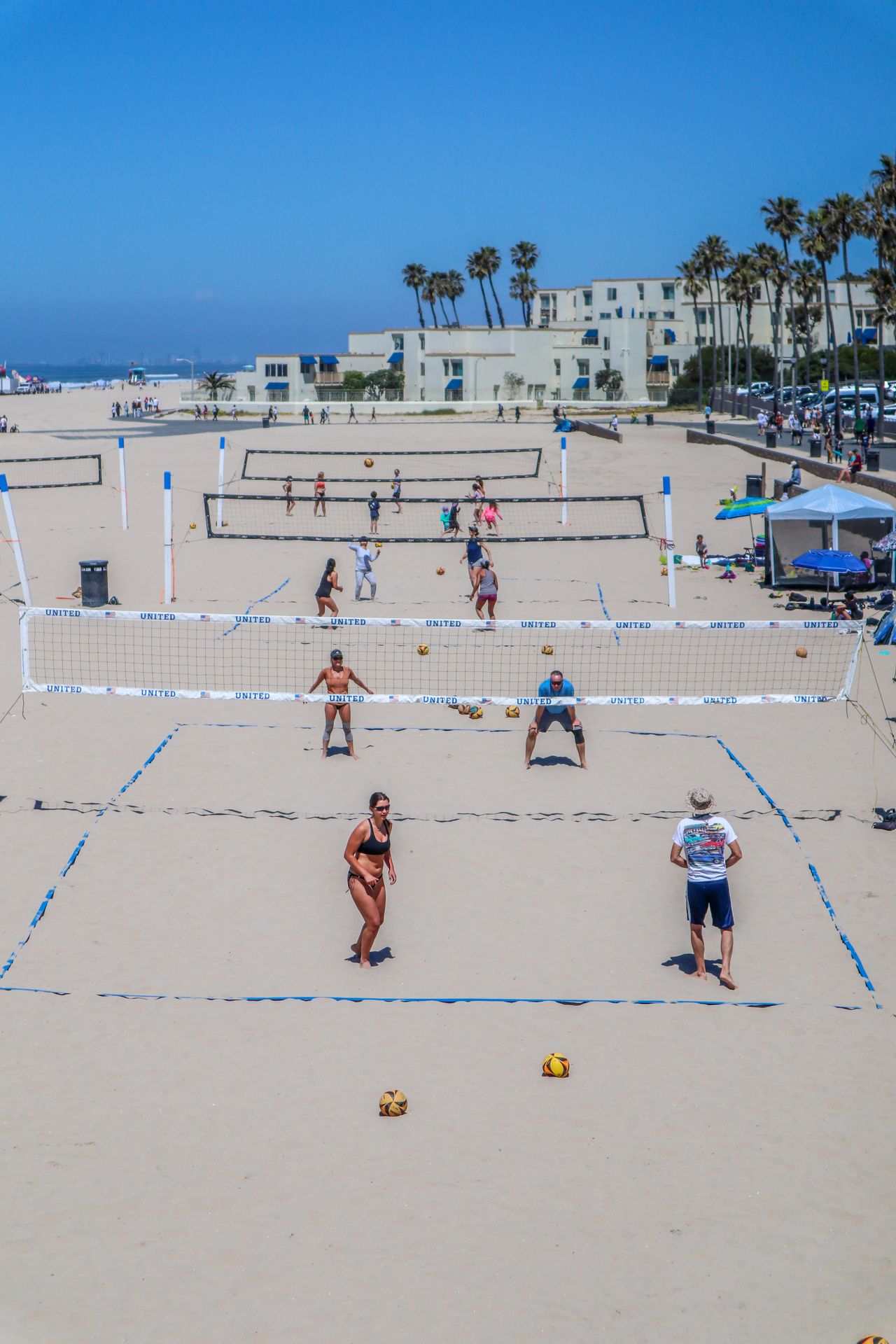
Syria is primarily an indoor volleyball country. Beach volleyball exists in limited settings, especially around coastal areas and university or festival-style events, but the country’s main volleyball identity is built in gyms. The important volleyball language in Syria is club competition, national teams, federation organization, youth squads, and regional tournaments.
The Syrian men’s national team has a modest international record, but it has appeared in Asian competition. Syria played in the Asian Men’s Volleyball Championship in 1979, finishing 10th, and later earned a bronze medal at the 2002 West Asian Games. Those results do not make Syria a continental power, but they do show that the country has had periods of regional competitiveness and formal participation beyond casual or domestic volleyball.
In practical volleyball terms, Syria’s challenge is depth. Strong Asian teams separate themselves through professional leagues, advanced coaching, youth national-team cycles, and players who compete at high speed from a young age. Syria’s pathway is more uneven. To compete more regularly, the country needs stable development for setters, liberos, outside hitters, and middle blockers, plus enough domestic match quality to prepare players for regional speed.
Clubs, Universities, and Women’s Volleyball
Syria’s volleyball base includes clubs and universities, and those institutions are important because they keep the sport active even when national-team participation is inconsistent. University volleyball has historically provided organized competition for both men and women, including tournaments involving teams such as Tishreen University and Damascus University.
Women’s volleyball is a meaningful part of Syria’s profile. Syrian club Taldara appeared in the 2026 Arab Women Sports Tournament in Sharjah, facing regional clubs from the UAE, Kuwait, Iraq, and Lebanon. Results against stronger club opponents showed the competitive gap, but the presence of a Syrian women’s club in that environment matters because regional club competition is one of the ways women’s volleyball stays visible and connected to higher standards.
The women’s national-team structure also has a pathway through West Asian and Asian age-group competition. Syria’s presence in youth-team listings and regional women’s events points toward a system that still has developmental activity, even if it lacks the consistency and profile of Asia’s leading programs.
A Regional Volleyball Future
Syria’s most realistic volleyball future is regional before continental. The country’s best competitive targets are West Asian tournaments, Arab club events, youth championships, and carefully built national-team cycles. Those competitions can create the match experience needed to raise the level of play without immediately measuring Syria against the strongest teams in Asia.
For Syrian volleyball to move forward, the priority is continuity. Players need reliable competitions. Coaches need development opportunities. Clubs need enough stability to train rather than simply assemble. Youth teams need a pathway that does not disappear between age groups. If those pieces improve, Syria can become a more consistent West Asian volleyball country.
Syria volleyball is not defined by a single famous generation or dominant international result. It is defined by an indoor tradition that continues through federations, clubs, universities, and regional competition. The next step is turning that tradition into a stronger, more predictable development system.