Iceland is a small-country volleyball market with a serious competitive spine. The sport does not sit at the center of Icelandic sporting identity the way football, handball, or winter-adjacent athletic culture often does, but volleyball has carved out a durable place through clubs, schools, national-team activity, and regional European competition. Its volleyball identity is not built on volume. It is built on persistence, tight development networks, and the challenge of producing technically sound players in a country with a limited population and demanding travel realities.
Iceland’s place in European volleyball is shaped heavily by its small-nation context. Rather than measuring itself only against the continent’s largest indoor volleyball powers, Iceland’s most meaningful competitive environment often comes through the North European and small-country systems. Iceland is part of the North European Volleyball Zonal Association, where it sits alongside larger volleyball markets such as Denmark, Finland, Norway, Sweden, and England, while also sharing small-country status with places such as the Faroe Islands and Greenland. That gives Iceland a useful dual identity: it is connected to northern European volleyball development while also competing in spaces designed for countries with smaller player pools.
That structure matters because Icelandic volleyball needs competition that is both realistic and ambitious. The country’s athletes require meaningful international matches, but the system also has to account for the gap between Iceland and Europe’s deepest volleyball nations. Small Countries Association events, NEVZA youth competition, and regional tournaments give Icelandic players opportunities to handle international pace, different blocking systems, more physical serving, and the tactical demands of playing outside their domestic club environment.
Indoor volleyball is the foundation of the sport in Iceland. The game is largely organized through clubs, school-linked participation, and federation activity rather than a large professional league culture. In practical terms, that means the best Icelandic players often develop through a compact system where coaching, national-team identification, and club competition are closely connected. A talented setter, libero, or outside hitter can become visible relatively quickly, but that also places pressure on the development system to keep athletes in the sport long enough to sharpen their technical ceiling.
The Icelandic player pathway tends to reward all-around volleyball intelligence. In smaller systems, players are often asked to become adaptable earlier. An outside hitter may need to carry serve receive, score out of imperfect sets, defend in transition, and handle leadership responsibilities. Middles must learn to read rather than rely only on physical dominance. Setters need to manage tempo while working with hitters who may have uneven training backgrounds. This can produce thoughtful players, even when the country does not have the same depth, height, or professional infrastructure as larger European nations.
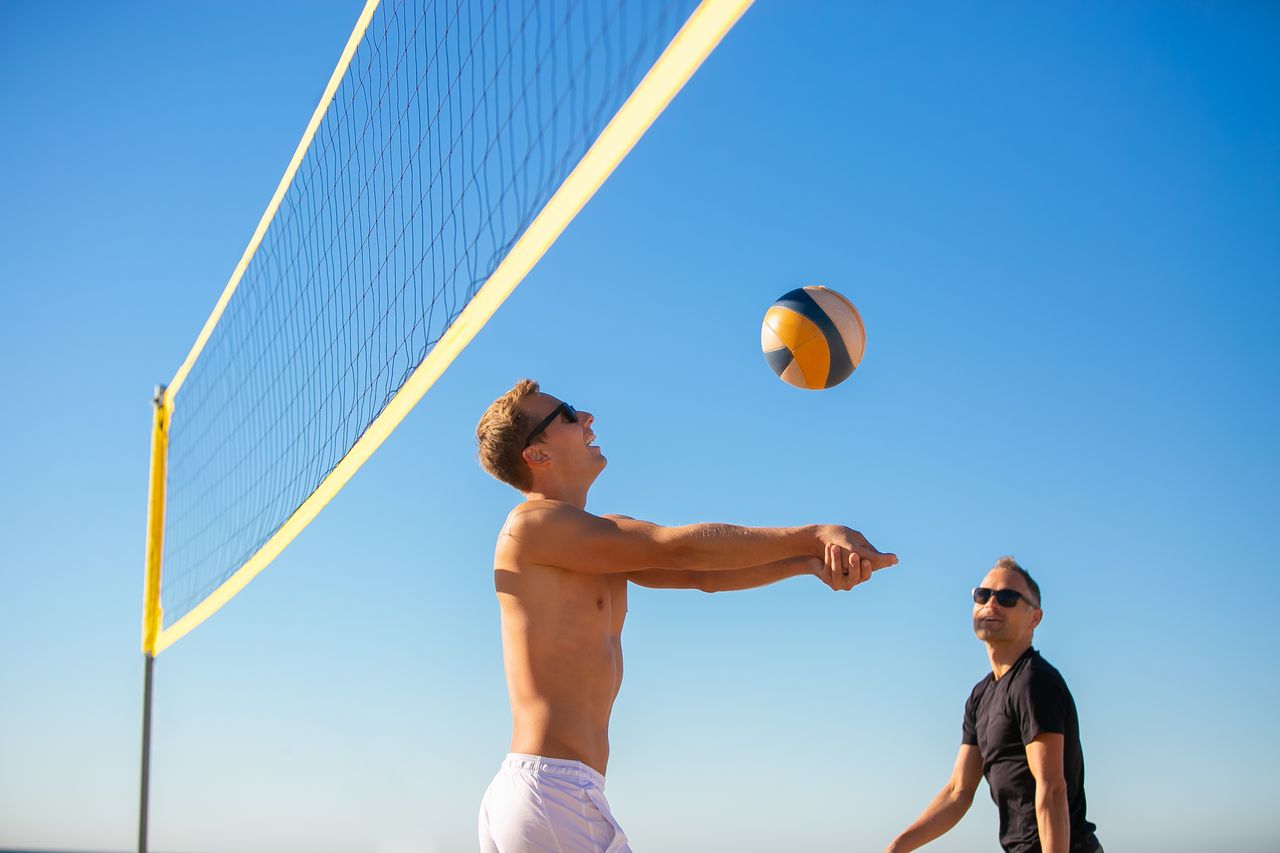
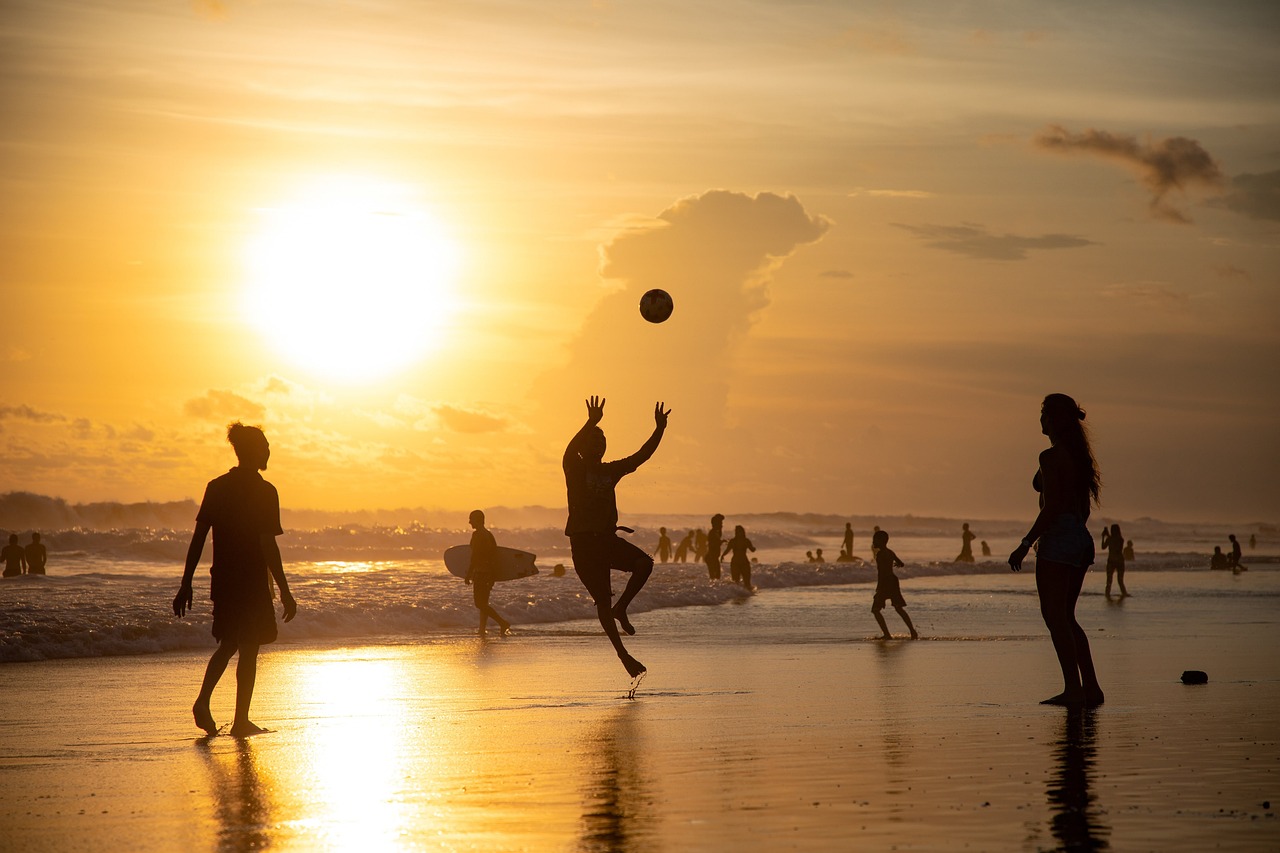
Beach volleyball exists in Iceland, but it is not the primary identity of the sport. Climate and geography make the indoor game the more natural base. Outdoor volleyball can still serve a useful role in summer training, recreational play, and technical development, especially because beach and grass formats force players to improve ball control, communication, and defensive range. Still, Iceland’s volleyball reputation is best understood through indoor competition and small-country European development rather than a sand-first culture.
The most important long-term question for Icelandic volleyball is not whether it can become a European powerhouse. The more realistic question is how consistently it can produce national-team-level players, retain youth athletes, and build competitive habits through international exposure. For small volleyball countries, progress is often measured in better serve pressure, more organized blocking, steadier first contacts, and deeper age-group participation before it shows up in major senior results.
Iceland’s volleyball future depends on the same things that define many strong small-country programs: coaching education, youth tournaments, club stability, and regular access to meaningful matches. Its advantage is clarity. Iceland knows the scale of its volleyball environment, and that can make development more focused. The country’s best path is not imitation of Europe’s giants. It is building a disciplined, technically sharp volleyball culture that can compete credibly within the northern European and small-country landscape.