Washington DC’s volleyball identity is built less around a single dominant professional team and more around density: college volleyball, school gyms, club pipelines, adult competition, and a regional DMV player pool that stretches across the District, Northern Virginia, and suburban Maryland. It is a hybrid volleyball scene, but not in the beach-and-indoor sense that defines a coastal market. DC is a political capital with a compact urban footprint, a heavy university presence, and a recreation culture that turns limited space into constant activity. Volleyball here lives in campus arenas, charter-school gyms, private training centers, public recreation programs, and the social-sports ecosystem that keeps adults playing long after high school or college.
That gives Washington DC a different kind of volleyball profile from a traditional volleyball hotbed. It does not have the sprawling suburban high school identity of Texas, the beach mythology of Southern California, or the international club culture of Europe. Its strength is concentration. Players, coaches, students, young professionals, and competitive adults move through the same tight regional network. The result is a volleyball culture that is urban, mobile, academically connected, and deeply influenced by the larger DMV sports landscape.
A College Volleyball City Hidden in Plain Sight
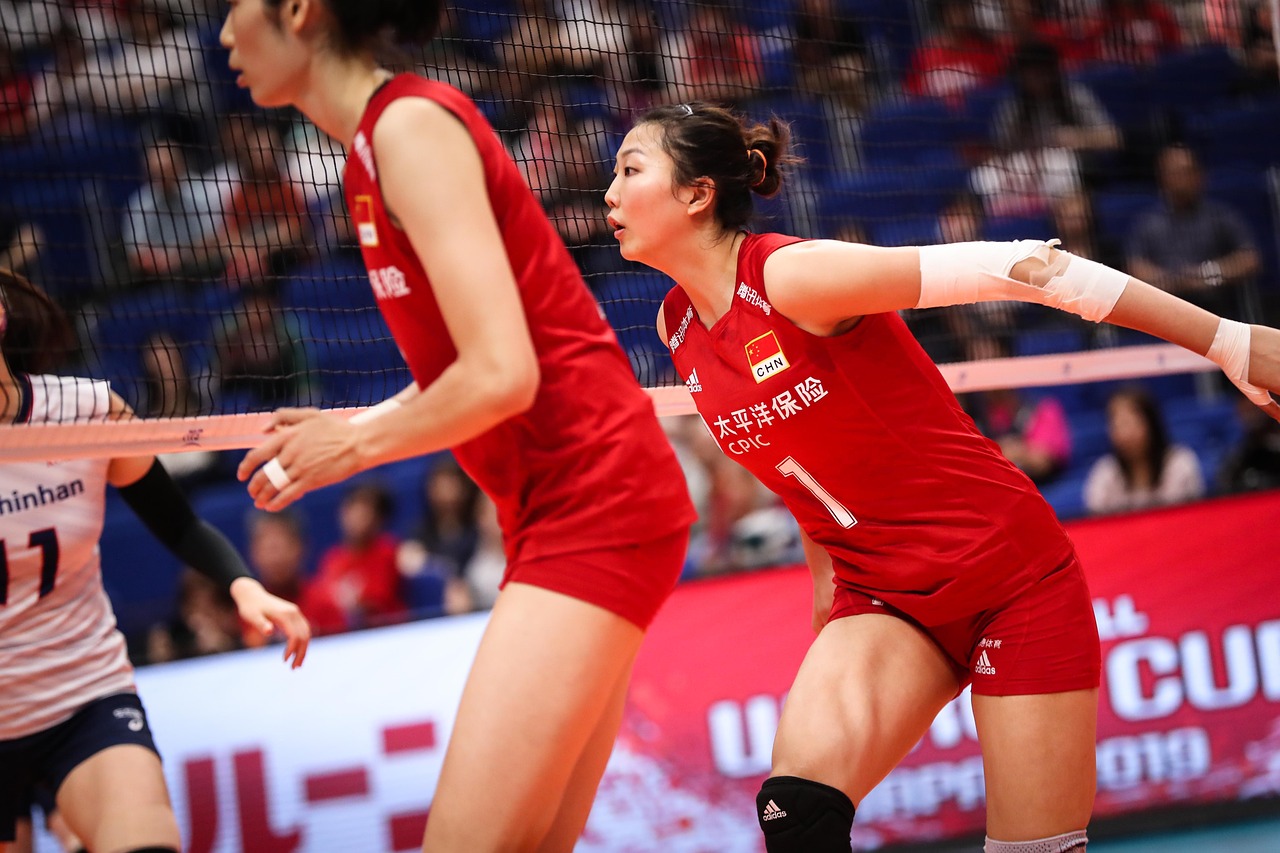
College volleyball gives DC much of its competitive structure. The District is home to several NCAA Division I programs, including American University, George Washington University, Howard University, and Georgetown University. Each program sits in a different conference environment and adds a different layer to the city’s volleyball identity.
American University has been one of the city’s most consistent volleyball names. The Eagles’ Patriot League success gives DC a program with a recognizable conference championship profile, and their home matches at Bender Arena represent one of the clearest examples of high-level indoor volleyball inside the District. American’s volleyball reputation has often been built around disciplined system play: clean passing, strong serving, efficient offense, and the ability to control conference matches through organization rather than flash.
Howard brings a different kind of significance. As an HBCU competing in the MEAC, Howard volleyball carries institutional weight beyond the box score. The Bison have been one of the important volleyball programs in the conference’s modern era, and their success adds to DC’s broader identity as a city where historically Black college athletics are part of the sports fabric. Howard’s volleyball presence matters because it connects elite college competition with legacy, representation, and a campus culture that has national reach.
George Washington gives the city an Atlantic 10 volleyball presence, linking DC into a conference map that includes strong programs across the Mid-Atlantic and Midwest. Georgetown, competing in the Big East, adds another layer through one of the nation’s most recognizable university brands. Even when these programs are not all peaking at the same moment, their combined presence makes Washington DC unusually dense for college volleyball. Few cities of comparable size have that many Division I volleyball programs inside such a small geographic area.
The DMV Pipeline Around the District
Washington DC’s volleyball scene cannot be understood only by drawing the city boundary. The real volleyball market is regional. The District pulls from Northern Virginia, Montgomery County, Prince George’s County, and the broader Maryland-Virginia club network. Many of the strongest youth players who identify with the DC volleyball scene may train, live, or compete just outside the city line. That is normal for a compact metro with intense commuting patterns and limited gym inventory.
This regional structure shapes player development. High school volleyball in the District itself has meaningful pockets, especially through private schools, public charter programs, and independent school competition, but the broader DMV gives players access to deeper club circuits and more frequent tournament play. A serious junior athlete in the DC area often builds their résumé across multiple layers: school season, club season, regional tournaments, summer camps, private lessons, and college recruiting events.
The area’s volleyball development tends to reward adaptability. Players move between different gym cultures, coaching styles, and competition levels. A setter may run one tempo in a school system and a different offense in club. A libero may face a wide range of serve pressure depending on whether the match is local, regional, or national. Middles and pins learn to play in tight gyms, larger tournament facilities, and college camp environments. That variety gives the DC-area athlete a practical volleyball education.
Adult Volleyball as Part of the City’s Sports Personality
Adult volleyball is one of the most visible pieces of Washington DC’s participation culture. The city has a large population of young professionals, graduate students, interns, federal workers, consultants, nonprofit staff, lawyers, and transplants. That demographic creates strong demand for sports that are competitive but social, structured but accessible. Volleyball fits that profile well.
Indoor leagues, sand leagues, social leagues, and more competitive adult formats all help volleyball remain active in DC beyond the school and college years. In many cities, adult volleyball is secondary to youth volleyball. In Washington, it is one of the sport’s public faces. The adult game gives the city a steady rhythm: weeknight matches, rotating teams, mixed skill levels, and a blend of players who range from former college athletes to people who discovered the sport through recreation leagues.
This adult layer matters because it keeps volleyball visible in a city where professional sports and major college basketball often dominate attention. Volleyball in DC does not rely on a single spectator event to stay alive. It survives because people keep playing. The sport fits into the city’s schedule-driven culture: after work, after class, between internships, between Hill jobs, or during the short windows that define life in a high-pressure metro.
Indoor First, with Outdoor Volleyball Filling the Gaps
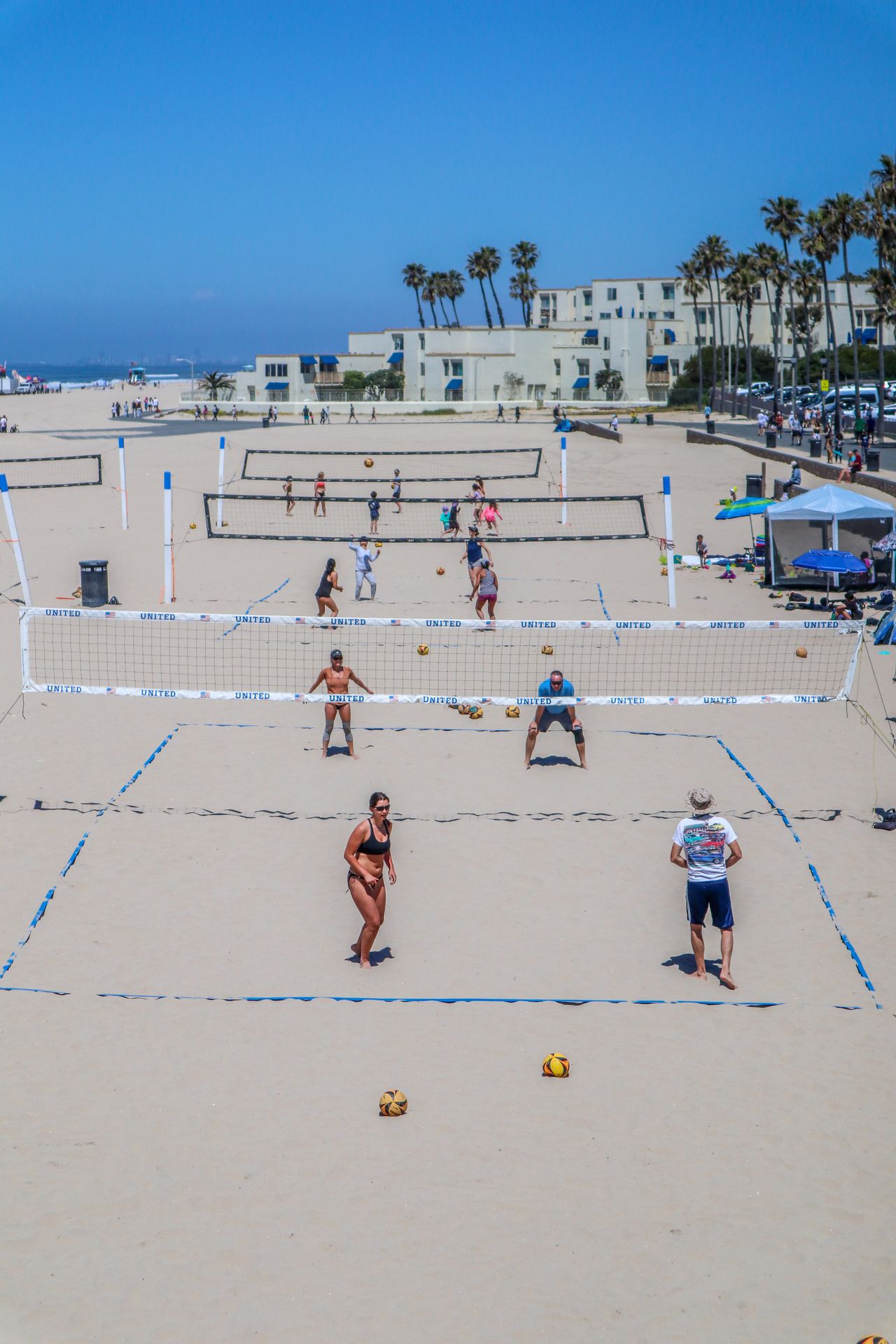
Washington DC is not a beach volleyball destination in the traditional sense, but outdoor volleyball still has a role. The District and nearby Arlington have enough sand, park, and seasonal volleyball activity to give the area an outdoor pulse during warmer months. That outdoor scene is not the identity anchor in the way it would be for coastal California, Florida, Hawaii, or Puerto Rico. Instead, it works as an extension of the adult and recreational game.
The indoor game remains the city’s competitive backbone. College programs, school teams, club training, and winter-season play all depend on indoor facilities. In a dense city where gym space is valuable, access to courts can shape the volleyball calendar as much as talent does. Programs that can secure consistent practice time, quality coaching, and tournament exposure have an advantage.
That facility challenge is part of DC’s volleyball character. The sport has to compete for space with basketball, futsal, fitness programming, school events, and community recreation. Volleyball does not always have the luxury of dedicated buildings. That makes organization important. Strong coaching, smart scheduling, and regional cooperation become essential pieces of the volleyball ecosystem.
A Volleyball Market Defined by Movement
Washington DC is a transient city, and that affects its volleyball culture. College students arrive for four years. Young professionals cycle in and out. Government and military families relocate. International students and embassy communities bring different sporting backgrounds. Coaches move through schools, clubs, and college staffs. Adult players form teams, break apart, and re-form with new rosters.
That movement can make it difficult to build a single, stable volleyball identity. But it also makes DC unusually open. A newcomer can enter the volleyball scene quickly. A former high school player can find adult competition. A club athlete can move through the DMV circuit. A college fan can watch Division I volleyball without leaving the city. A coach can work with athletes from a wide range of backgrounds.
The city’s volleyball personality is not built around one dynasty or one beach. It is built around networks. The strongest version of DC volleyball is regional, layered, and connected: universities anchoring the top of the pyramid, schools and clubs developing younger players, adult leagues keeping the sport visible, and the broader DMV supplying the depth that a small urban district cannot create alone.
Where Washington DC Volleyball Is Headed
The future of volleyball in Washington DC depends on whether the city and surrounding region can keep turning participation into stronger development pathways. The demand is there. The college programs are there. The adult market is active. The youth pipeline exists across the DMV. The next step is deeper continuity: more consistent training access, stronger school-to-club connections, and more visibility for high-level volleyball inside the city.
Women’s volleyball is likely to remain the most established competitive lane, especially through NCAA programs and junior club development. Men’s volleyball has room to grow through schools, clubs, and adult leagues, but it does not yet have the same institutional footprint. Beach and outdoor volleyball will continue to serve the city’s recreational and summer culture, while indoor volleyball remains the core competitive game.
Washington DC’s volleyball scene is not defined by one simple label. It is a college volleyball market, a club-connected DMV hub, and an adult recreational metro at the same time. Its value comes from the way those layers overlap. The city may not look like a traditional volleyball powerhouse, but it has the ingredients of a serious volleyball community: athletes, universities, coaches, dense participation, and a regional network that keeps the game moving.