Bulgaria is one of Europe’s true indoor volleyball countries: not always the largest, not always the deepest, but historically serious, technically respected, and capable of producing players who matter well beyond the Balkans. The country’s volleyball identity is built around national-team expectation, strong club traditions, technically trained athletes, and a public memory that still treats the sport as one of Bulgaria’s most successful international team games.
That matters because Bulgarian volleyball has never been only a recreational side sport. It has produced Olympic medals, World Championship medals, European success, elite professional players, and a domestic club culture that connects Sofia, Plovdiv, Burgas, Pazardzhik, Varna, Dupnitsa, Montana, and other volleyball pockets across the country. For a nation more often associated internationally with football, wrestling, weightlifting, rhythmic gymnastics, and combat sports, volleyball has carved out a distinct place: a court sport where Bulgaria has repeatedly been able to compete with much larger countries.
The Bulgarian volleyball story is especially strong on the men’s side, where the national team has carried a reputation for size, attacking power, and difficult serving for decades. But the women’s game has its own important history, including Olympic and European success, and Bulgaria’s recent youth results suggest that the next stage of the sport may be less one-dimensional than earlier eras. Bulgaria is not simply a country remembering past volleyball highs. It remains a country where the sport is expected to produce players, compete internationally, and matter.
A Volleyball Country Built Indoors
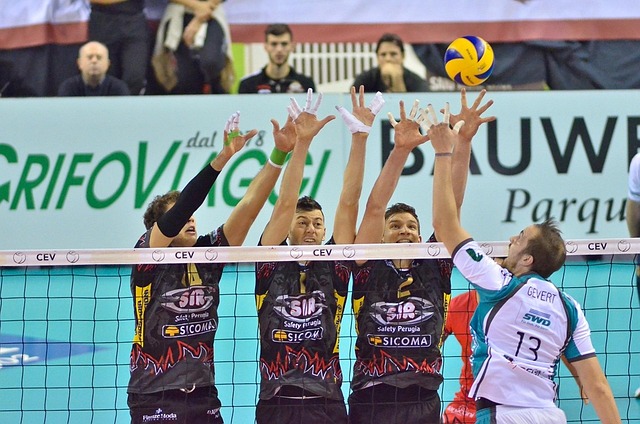
Bulgaria’s volleyball identity is overwhelmingly indoor. The Black Sea coast gives the country summer recreation and some beach volleyball presence, but Bulgaria’s major volleyball reputation comes from six-player indoor volleyball: school gyms, club halls, professional teams, national squads, and European competition. This is a setting where the sport’s structure has traditionally mattered more than its lifestyle appeal.
That indoor base fits Bulgaria’s broader sports culture. Volleyball rewards height, timing, discipline, technical repetition, and tactical responsibility, all qualities that align well with the country’s older state-sport traditions and later club-based development systems. The best Bulgarian teams have often been built around powerful outside hitters and opposites, physical middle blockers, experienced setters, and liberos trained to survive heavy-serving European volleyball.
At the national-team level, Bulgaria’s men became known as a difficult opponent: capable of beating elite sides, producing individual stars, and making deep tournament runs even when not entering as the favorite. The country’s best teams have usually carried a mix of size and volatility. When the passing platform holds and the setter can involve the middles, Bulgaria can look like a top-tier volleyball nation. When reception breaks down, the game can become more dependent on high-ball attacking and individual problem-solving. That tension has been part of the Bulgarian volleyball personality for years.
The country’s club system has also helped preserve the sport’s identity. Bulgarian clubs have not had the financial scale of Italy, Poland, Turkey, or Russia, but they have remained important development engines. Clubs such as CSKA Sofia, Levski Sofia, Neftochimik Burgas, Marek Dupnitsa, Hebar Pazardzhik, Montana, Dobrudzha, and others have kept the domestic game visible and competitive. The club scene is where young players learn the rhythm of senior volleyball before moving into stronger European leagues or the national-team system.
The National-Team Standard
Bulgaria’s men’s national team is the central reference point for the country’s volleyball reputation. The program’s high points are not minor achievements. Bulgaria won Olympic silver in men’s volleyball at the 1980 Moscow Games, took silver at the 1970 World Championship, and added World Championship bronze in 2006. Those results created a standard that has followed later generations: Bulgaria is expected to be competitive, not merely present.
The 1980 Olympic silver remains one of the defining moments in Bulgarian team-sport history. In an era dominated by powerful Eastern Bloc systems and highly structured national programs, Bulgaria proved it could compete at the top level of world volleyball. That result helped secure volleyball’s place in the country’s sporting memory, especially because the women also won Olympic bronze in the same Games. For Bulgarian volleyball, Moscow was not just a tournament; it was a marker of national credibility.
The men’s team continued to carry that credibility into later eras. The 2006 World Championship bronze reintroduced Bulgaria as a major international force for a new generation of fans. That team, led by a group of high-level players and coaches, combined physicality with confidence and gave Bulgaria a modern result to stand beside its older achievements. It also helped elevate the careers and reputations of Bulgarian players abroad, especially in Italy and other elite European leagues.
The 2025 World Championship silver added another major chapter. Bulgaria’s run to the final in the Philippines brought the national team back into the center of public attention and showed that the country could still generate elite international momentum. It also connected older Bulgarian volleyball memory with a younger generation led by players such as Aleksandar Nikolov, whose scoring and attacking profile made him one of the tournament’s defining figures. For a country that had waited decades for another World Championship final, the result was more than a medal run. It was a reminder that Bulgarian volleyball still has a high ceiling when its development cycle produces the right group at the right time.
Sofia, Clubs, and the Domestic Game
Sofia has long been one of the anchors of Bulgarian volleyball. CSKA Sofia and Levski Sofia give the sport one of its most recognizable domestic rivalries, and both clubs connect volleyball to Bulgaria’s wider sports-club tradition. Their names carry weight beyond volleyball, but their volleyball sections have their own identity, trophies, and development histories.
CSKA’s volleyball history is especially deep. The club has been one of the defining forces in the Bulgarian men’s game, with a long championship record and a tradition of producing or housing elite players. CSKA’s best periods helped shape the national team’s talent base, and the club’s history reflects the older model of Bulgarian sports organization: strong institutional clubs, disciplined training, and national-team overlap.
Levski Sofia has been just as important to the modern domestic scene. The club’s recent national success restored its place at the top of the men’s league and reinforced the Sofia rivalry as one of the central stories in Bulgarian volleyball. A packed volleyball hall for Levski against CSKA tells a different story from casual participation. It shows volleyball as a live competitive product, with history, tension, and recognizable stakes.
Outside Sofia, the sport’s geography has broadened. Neftochimik Burgas has given the Black Sea region a serious club identity. Marek Dupnitsa had a strong run in the 2010s, showing how a smaller city could become nationally relevant through a strong volleyball project. Hebar Pazardzhik emerged as a modern contender, bringing investment, attention, and ambition to a city outside the capital. Montana, Dobrudzha, and other clubs have also contributed to a league ecosystem that is more than a Sofia-only story.
This domestic structure matters because Bulgaria’s best players often leave for stronger leagues. Italy, Poland, Turkey, France, Russia, and other volleyball markets have regularly offered Bulgarian players higher-level competition and better contracts. The Bulgarian league therefore functions partly as a proving ground and partly as a national stage. Its job is not only to crown a champion. It is to prepare players for the level of speed, serving pressure, and tactical precision they will face internationally.
The Bulgarian Player Profile
Bulgaria has produced several of Europe’s most recognizable volleyball players. Matey Kaziyski remains one of the country’s defining modern names, a world-class outside hitter whose club career in Italy and abroad made him one of the most respected Bulgarian athletes of his generation. His combination of height, athleticism, serving pressure, and attacking range made him a model of the modern European wing attacker.
Vladimir Nikolov gave Bulgaria another elite reference point. As an opposite and longtime national-team figure, he represented the professional pathway Bulgarian players could follow across Europe’s top leagues. His career also connects directly to the next generation through his sons, Aleksandar and Simeon Nikolov, both of whom became major parts of Bulgaria’s renewed volleyball conversation.
Tsvetan Sokolov continued the tradition of powerful Bulgarian opposites. At his best, he gave Bulgaria a terminal attacking option capable of scoring against elite blocks, especially from the right side. Players like Teodor Salparov, the Bratoev brothers, Nikolay Penchev, Martin Atanasov, Viktor Yosifov, Plamen Konstantinov, and others also shaped the national-team identity across different eras. Bulgaria’s strongest teams have rarely been built around one player alone. They have usually needed a full spine: setter, opposite, outside hitters, middle blockers, and a libero capable of keeping the team in system.
Aleksandar Nikolov has become the modern face of that lineage. His rise reflects several important shifts in Bulgarian volleyball. He developed through Levski Sofia, played college volleyball in the United States at Long Beach State, and then moved into the Italian professional game. That route is different from the older straight-through European club pathway and shows how Bulgarian talent can now be shaped through multiple systems. His emergence as a high-scoring outside hitter also gives Bulgaria the kind of attacking centerpiece that changes how opponents prepare.
The Bulgarian player profile has usually leaned toward physical wings and opposites, but the country’s best teams have depended just as heavily on ball control and setting. In modern volleyball, size alone is not enough. Bulgaria’s ceiling rises when its outside hitters can pass under pressure, its setters can hold blockers with middle involvement, and its middles can score enough to prevent opponents from loading up on the pins. That is where the difference between “dangerous team” and “medal team” is often found.
Women’s Volleyball and a Wider National Story
Bulgaria’s women’s volleyball history deserves more attention than it often receives. The women’s national team won bronze at the 1980 Olympics and then captured the European Championship on home soil in Sofia in 1981. That European title remains one of the landmark achievements in Bulgarian women’s team sports.
The 1981 success matters because it shows that Bulgaria’s volleyball culture was not built solely through the men’s game. The women’s team had its own period of continental relevance, and the home-court element in Sofia gave the achievement national resonance. In that era, volleyball had real spectator energy in Bulgaria, and the women’s team’s success helped widen the sport’s place in public life.
The modern women’s game has had a more uneven international profile, but Bulgaria has continued to produce strong players. Elitsa Vasileva became one of the most recognizable Bulgarian women’s players of the modern era, with a long professional career and national-team leadership. Players such as Dobriana Rabadzhieva, Hristina Ruseva, Gergana Dimitrova, and others have kept Bulgaria present in European volleyball circles, even when the national team has not consistently reached the medal level of the early 1980s.
The most significant recent signal came from youth volleyball. Bulgaria’s Girls’ U19 team won the 2025 FIVB World Championship, a historic result for the women’s side and a major indicator that the country’s development system still has the ability to produce elite team success. Youth titles do not automatically guarantee senior dominance, but they matter. They show depth, coaching quality, and competitive readiness at an age where many national systems are trying to identify their next senior core.
For Bulgaria, that result also balances the national volleyball narrative. The men’s team has usually carried the public burden of expectation, but the women’s youth title suggests a broader future. If Bulgaria can convert that age-group success into senior-level continuity, the women’s program could become a larger part of the country’s volleyball identity again.
Beach Volleyball’s Smaller Role
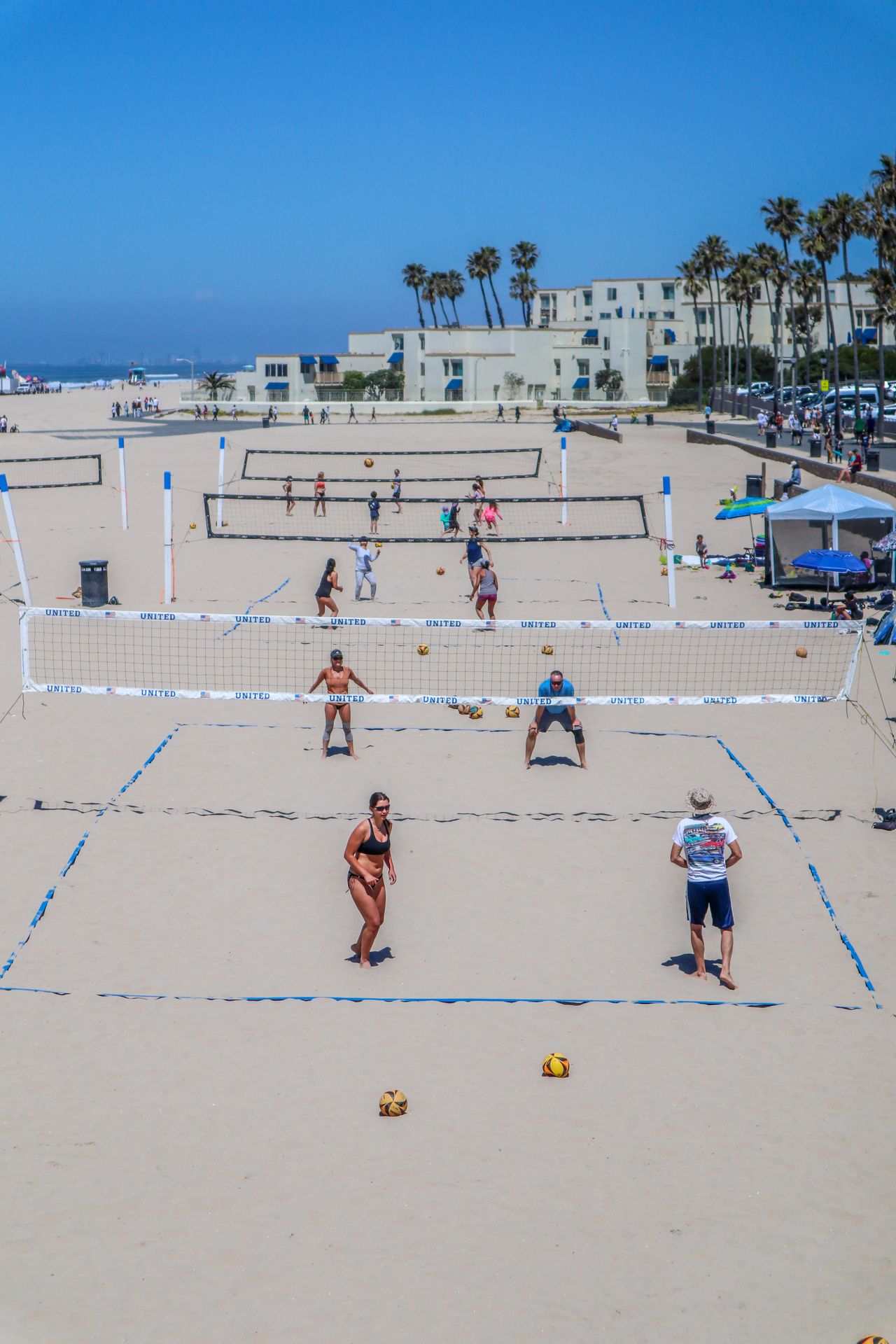
Beach volleyball exists in Bulgaria, especially along the Black Sea coast and in summer recreational settings, but it is not the country’s primary volleyball identity. Compared with Brazil, the United States, Australia, Italy’s beach markets, or parts of the Mediterranean, Bulgaria’s volleyball reputation is not built on sand. It is built indoors.
That does not make beach volleyball irrelevant. Coastal cities such as Varna and Burgas give Bulgaria natural outdoor volleyball settings, and beach tournaments can support summer participation, tourism, and recreational growth. The format also helps broaden volleyball’s appeal beyond the club hall, especially for younger players and casual athletes.
But Bulgaria’s elite pathway remains overwhelmingly indoor. The athletes who define the country internationally are indoor players. The clubs that shape the domestic conversation are indoor clubs. The national memories that make volleyball important are indoor achievements. Beach volleyball can add texture to the broader participation culture, but it does not drive the Bulgarian volleyball brand in the way indoor volleyball does.
Development, Pressure, and the Next Generation
Bulgaria’s volleyball future depends on how well the country manages the space between tradition and modern professional reality. The tradition is strong: Olympic medals, World Championship medals, European success, famous players, and respected clubs. The challenge is that European volleyball has become more competitive and more expensive. Countries with larger leagues, stronger media markets, and deeper federation resources can build more stable pipelines.
For Bulgaria, development has to be efficient. The country needs clubs that can identify tall, coordinated athletes early, train them technically, and expose them to serious competition before they leave for stronger leagues. It needs coaches who can develop serve receive, not just attacking talent. It needs setters and liberos at the same level as its hitters. It needs the domestic league to remain meaningful enough that young players can mature before moving abroad.
The national team also has to manage expectations. Bulgaria’s best volleyball moments create a high standard, but the country’s competitive window often depends on generational clusters. When several elite players peak together, Bulgaria can challenge the world’s best. When the talent is thinner or uneven by position, the team can fall back into inconsistency. That pattern is familiar in volleyball nations outside the very top financial tier.
The 2025 men’s World Championship silver and Girls’ U19 world title gave Bulgaria exactly what a volleyball country needs: proof of life at the top and proof of development underneath. Those results make the next stage more interesting. They suggest that Bulgaria is not simply relying on old names or old memories. It has a new men’s core, a promising women’s youth generation, and a domestic audience willing to respond when the national teams give it something to believe in.
Bulgaria’s Place in World Volleyball
Bulgaria occupies a distinctive place in world volleyball. It is not a permanent superpower in the way Brazil, Italy, Poland, the United States, or Russia have been across long stretches. It is not merely an emerging nation either. Bulgaria sits in the category of serious volleyball countries with real history, real talent production, and the ability to make elite tournaments uncomfortable for anyone.
That status is valuable. Volleyball has enough global depth that sustained relevance is difficult. Bulgaria has managed to remain part of the conversation across eras because the sport has roots in the country’s club culture and national-team imagination. The game has produced heroes, disappointments, rivalries, rebuilds, and revival moments. It has given Bulgaria a team-sport identity that travels well beyond its borders.
The best way to understand volleyball in Bulgaria is not as a hobby scene or a beach pastime. It is a competitive tradition. It lives in indoor halls, in club rivalries, in national-team summers, in young players moving abroad, and in the pressure that follows any Bulgarian team talented enough to make a run. The country expects volleyball to matter because it has mattered before.
That expectation is the defining feature of Bulgarian volleyball. The past is too strong for the sport to be treated casually, and the present is too promising for it to be treated as nostalgia. Bulgaria remains one of Europe’s most respected volleyball nations: proud, technical, physical, occasionally volatile, and still capable of producing the kind of team that can pull a country back around the court.