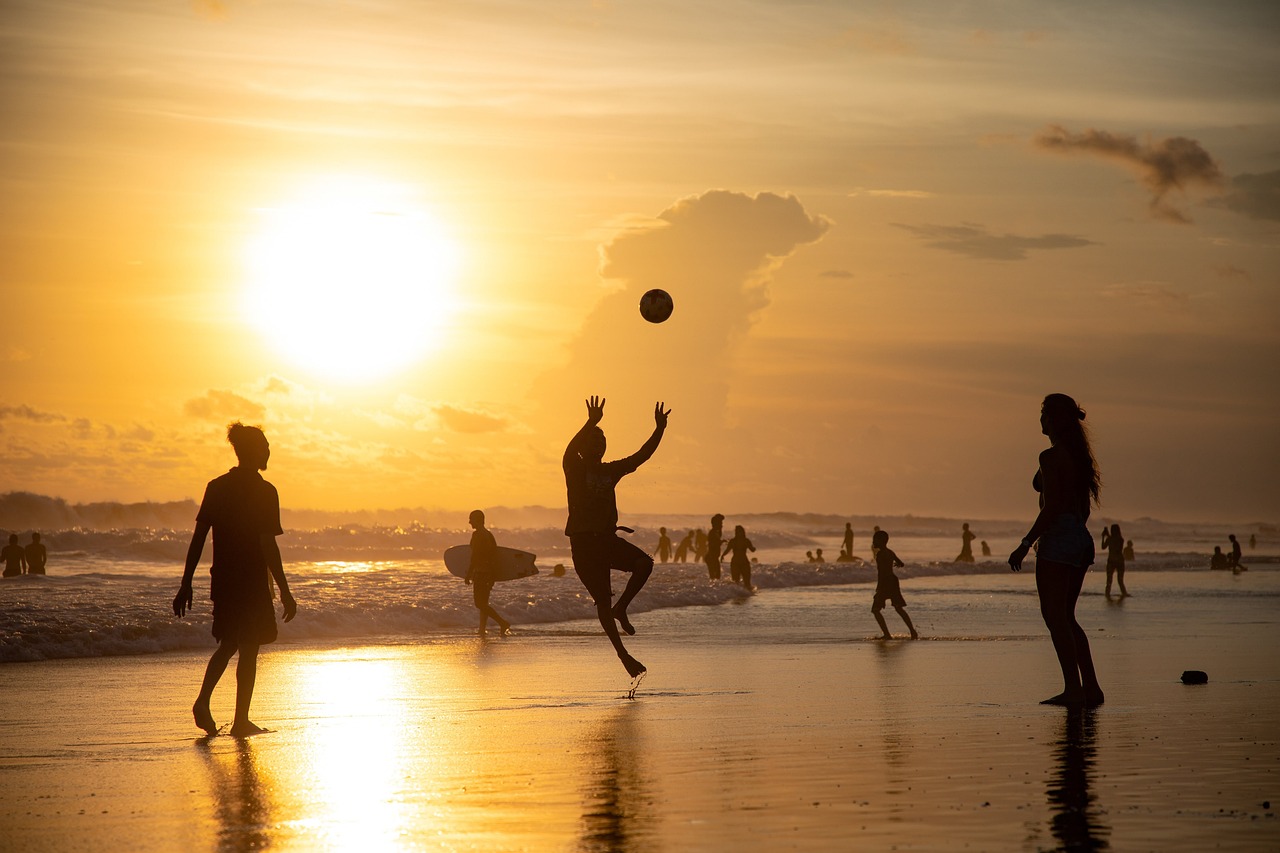
Nicaragua’s volleyball identity sits at the intersection of Central American indoor competition and an increasingly visible beach volleyball scene. It is not one of NORCECA’s traditional superpowers, but it is an active volleyball country with federation structure, regional competition, and a beach program that has become an important part of its sporting profile. The Federación Nicaragüense de Voleibol is based in Managua and organizes national and international volleyball activity, with recent federation news showing a strong focus on beach volleyball, national events, and regional competition.
Nicaragua’s place in volleyball is shaped by geography and regional alignment. As part of the NORCECA volleyball region, Nicaragua is connected to a competitive zone that includes the United States, Canada, Mexico, Cuba, the Dominican Republic, Puerto Rico, and the countries of Central America and the Caribbean. NORCECA includes 35 national federations across four zonal associations, giving Nicaragua access to a structured calendar and a clear development ladder.
Indoor Volleyball and the Central American Standard
Indoor volleyball in Nicaragua is best measured through Central American competition rather than global comparison. The country’s national teams compete in a region where roster depth, serve receive, and tactical discipline can create narrow margins. Nicaragua’s women’s national team has been part of the AFECAVOL Central American zone, and the country has developed a reputation as a competitive regional participant rather than a passive federation.
The indoor game matters because it provides the base for the sport: school participation, local clubs, national championships, and federation training. Managua is the natural administrative and competitive center, but volleyball’s development depends on keeping the sport active beyond the capital. For Nicaragua, the key technical challenge is the same one faced by many regional programs: building enough depth at setter, libero, middle blocker, and outside hitter to sustain a full national-team cycle.
At the domestic level, women’s volleyball has visible league activity in Managua, and federation competition gives players a route into national selection. The more organized the club and league environment becomes, the better Nicaragua can manage the transition from talented local athlete to regional-level player. That transition requires repetition against strong serving, faster tempo sets, and more physical blocking.
Beach Volleyball as Nicaragua’s Strongest Growth Lane
Beach volleyball gives Nicaragua one of its clearest volleyball opportunities. The country has hosted NORCECA Beach Volleyball Tour events, including activity in Managua and San Juan del Sur, and federation updates from 2025 and 2026 highlight Nicaraguan pairs competing for points and recognition on the regional tour.
San Juan del Sur is especially important because it gives Nicaraguan beach volleyball a natural setting: coastal, visible, and capable of hosting regional events. The federation reported that San Juan del Sur hosted a NORCECA beach stop in 2026, with Nicaragua reaching fourth place in the men’s competition.
That kind of event does more than create a tournament weekend. It gives local players exposure to NORCECA-level standards, brings coaches and officials into the country, and makes beach volleyball easier to promote as a serious competitive discipline. Nicaragua’s beach pairs have also been highlighted by the federation for earning tour points and finishing as top Central American representatives in NORCECA competition.
The Future of Volleyball in Nicaragua
Nicaragua’s volleyball future depends on linking its indoor base with its beach momentum. Indoor volleyball gives the sport structure, numbers, and year-round development. Beach volleyball gives Nicaragua a more distinctive international lane, especially because two-player teams can rise faster than full indoor squads when coaching and competition access improve.
The country’s volleyball identity is not built on being a giant. It is built on being active, organized, and increasingly visible in regional beach volleyball. If Nicaragua continues hosting events, developing pairs, and strengthening its domestic indoor system, it can become a more consistent Central American volleyball presence with beach volleyball as its sharpest competitive edge.