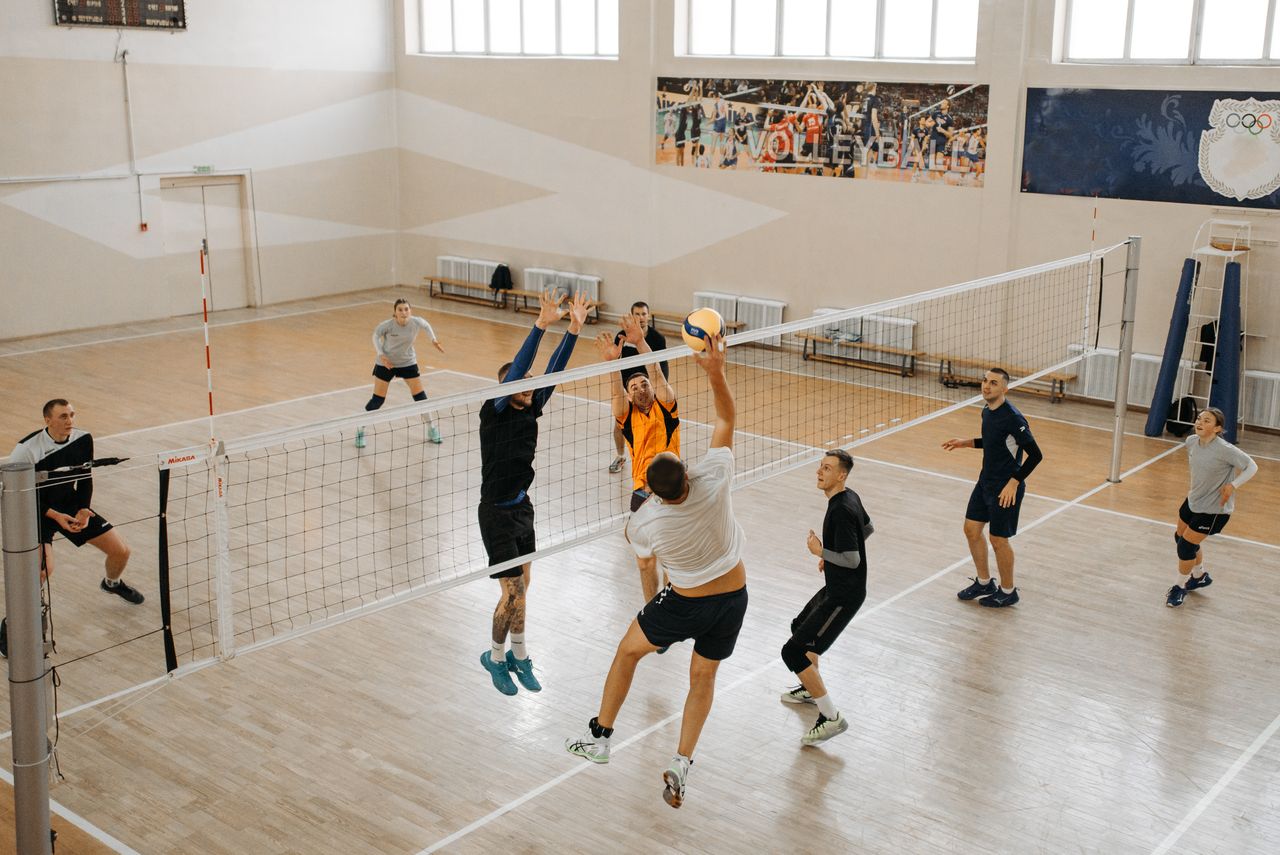
The setter as volleyball’s quarterback is one of the clearest ways to understand how offense works in the sport. Every rally begins with serve receive or defense, but the setter usually decides what that first contact becomes. A clean pass gives the setter choices: middle attack, outside swing, opposite attack, back-row option, dump, or a quick change of tempo. That decision has to happen in a fraction of a second while blockers are reading body position, hitters are starting their approaches, and the defense is shifting behind the play. The setter matters because volleyball offense is not only about power. It is about timing, deception, spacing, and trust.
Before the Swing, the Setter Shapes the Point
Volleyball can look like a hitter’s sport because the final attack is the loudest part of the rally. The spike gets the highlight. The block gets the celebration. The setter’s work is often quieter, but it usually determines whether the offense is predictable or dangerous.
A setter has to turn the team’s first touch into structure. If the pass is perfect, the setter can run the full offense. That means using the middle early, stretching the ball to the pins, setting the opposite, or involving a back-row attacker. If the pass is off the net, the setter has to rescue the play without giving the defense an easy read. That balance is what makes the position so demanding.
The best setters do not simply deliver hittable balls. They read the opponent’s block, understand their own hitters’ strengths, and know when to speed the offense up or slow it down. A middle blocker who is late, an outside hitter who has a favorable matchup, or a defender leaning too far cross-court can all shape the next set. The setter sees those details before the crowd sees the result.
Why the Setter as Volleyball’s Quarterback Controls Tempo
The comparison to a quarterback works because the setter organizes the offense before the attack happens. In football, a quarterback reads coverage, manages timing, and puts teammates in position to gain yards. In volleyball, the setter reads the block, manages the tempo, and puts hitters in position to score.
Tempo is one of the setter’s biggest tools. A quick set to the middle can beat the block before it forms. A fast ball to the outside can keep the defense from getting balanced. A high outside set can give a hitter time to adjust against a difficult ball. A back-row pipe attack can punish a defense that is focused too heavily on the front row.
Setters also create deception. A setter’s shoulders, hands, jump, and eye line can suggest one option while the ball goes somewhere else. That disguise matters because volleyball defenses are built on tiny timing cues. If a middle blocker freezes for half a second, the outside hitter may get a cleaner swing. If the defense expects a set to the pin, a setter dump can catch the court open.
But the setter’s control depends on trust. Hitters have to believe the ball will arrive where their approach expects it. Passers have to give the setter enough quality to run the offense. Coaches have to trust the setter’s choices under pressure. When that trust is strong, the entire offense plays faster and more confidently.
The Position That Turns Teamwork Into Strategy
The setter’s influence explains why great volleyball teams often have a clear offensive identity. Some teams play through the middle to create speed. Some lean on a dominant opposite. Some use the pipe attack to stretch the defense. Some run a balanced offense that makes it hard for blockers to commit. In each case, the setter is the player connecting the plan to the rally.
At higher levels, the setter also becomes part of the scouting battle. Opponents study tendencies: where the setter goes on perfect passes, how often they set the middle under pressure, whether they dump on second contact, and which hitter gets the ball late in close sets. A strong setter can use those expectations against the defense by changing patterns at the right moment.
That is why the position carries so much responsibility. The setter is not only reacting to the pass. The setter is managing rhythm, protecting hitters from bad matchups, and forcing the defense to cover more possibilities than it wants to handle. When the setter is sharp, the offense feels connected. When the setter struggles, even talented hitters can look isolated.
The setter as volleyball’s quarterback remains a useful comparison because it points to the position’s real value. Setters do not just touch the ball often; they give the offense its shape. Their decisions turn passing into pressure, movement into timing, and individual hitters into a coordinated attack.