Tuvalu has one of the most distinctive volleyball identities in the Pacific because its profile is tied so strongly to beach volleyball. In a country with a small population, limited facilities, and significant geographic constraints, volleyball does not look like it does in large indoor volleyball nations. Tuvalu’s story is not built around professional leagues, massive school systems, or deep club pyramids. It is built around compact national teams, regional competition, beach volleyball resilience, and the ability of a small island nation to produce athletes capable of challenging much larger Pacific programs.
That makes Tuvalu a serious volleyball country in a very specific way. Its volleyball identity is not broad, but it is sharp. Beach volleyball gives Tuvalu a format where a small athlete pool can still make a major impact. Two well-trained players can change the country’s regional reputation. A strong pair can carry national visibility in a way that would be much harder in six-player indoor volleyball.
A Pacific Beach Volleyball Identity
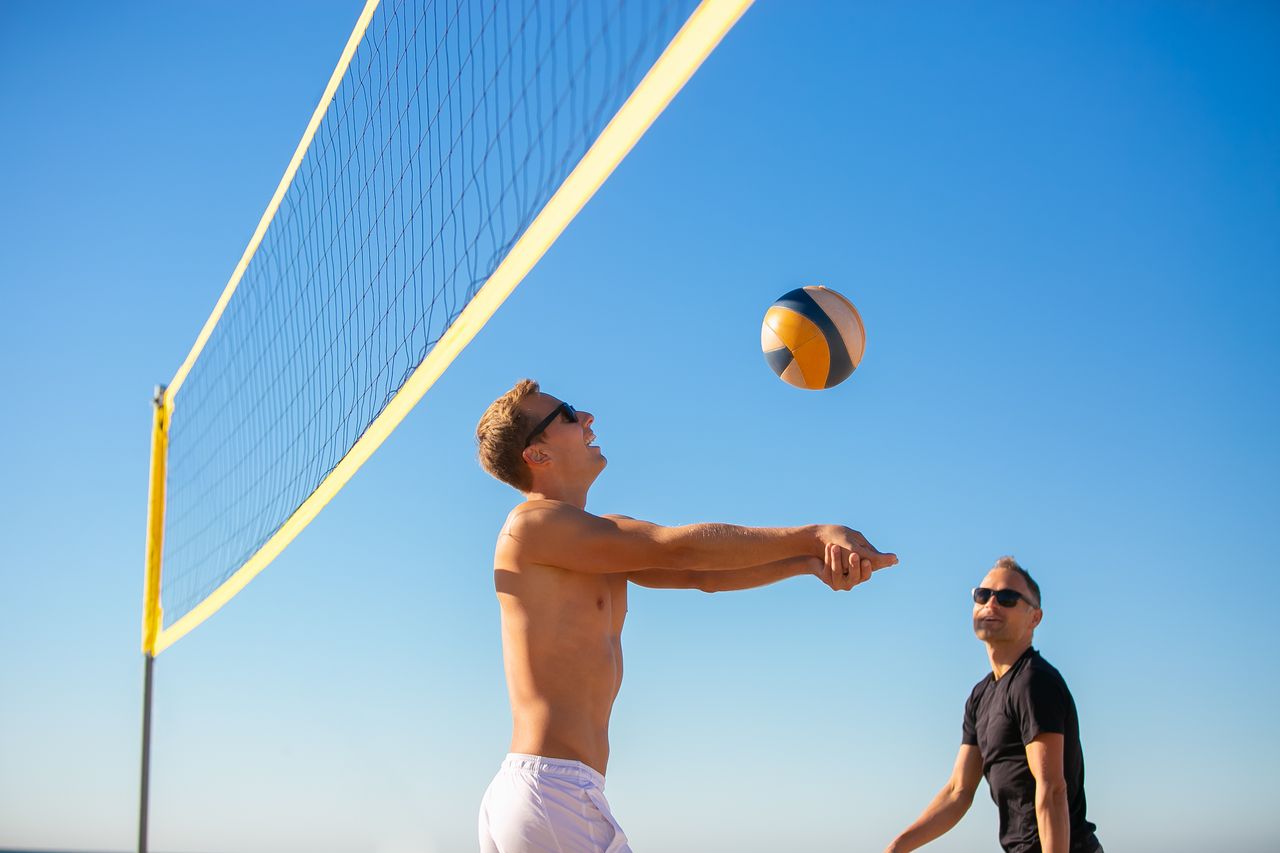
Tuvalu’s most important volleyball achievements have come on the sand. The men’s beach volleyball pair of Saaga Malosa and Ampex Isaac gave the country a major regional moment by reaching the final at the 2023 Pacific Games and winning silver. For a small Pacific nation, that kind of podium finish matters far beyond a single tournament. It shows that Tuvalu can compete with established beach volleyball programs when preparation, coaching, and opportunity come together.
Beach volleyball fits Tuvalu’s sporting reality because it reduces the scale problem. Indoor volleyball requires larger squads, more specialized positions, more gym access, and more consistent domestic competition. Beach volleyball still demands elite conditioning, technique, communication, and tournament experience, but it allows a country with limited numbers to focus resources around pairs.
That does not make the sport easy. In many ways, it makes the pressure greater. A Tuvalu beach pair has to pass, set, attack, defend, serve, and read the game without the tactical cover of four teammates. Every technical weakness is exposed. But for Tuvalu, that also creates opportunity. A disciplined, well-conditioned pair with chemistry can close the gap against countries with larger volleyball systems.
The Meaning of Regional Competition
For Tuvalu, the Pacific Games and Pacific Mini Games are central to volleyball identity. These events provide the competitive stage that small island nations need. They create regular benchmarks against countries such as Australia, Fiji, Samoa, Vanuatu, Solomon Islands, Cook Islands, Northern Mariana Islands, and other Pacific programs. Without those tournaments, Tuvalu’s athletes would have far fewer chances to test themselves at a meaningful international level.
The 2023 Pacific Games silver medal run was especially important because it showed progression under pressure. A beach pair that can win multiple matches, handle tight sets, and reach a final is not simply participating. It is competing with intent. For Tuvalu, that kind of result can inspire more interest at home and create a stronger argument for continued coaching support, travel opportunities, and equipment investment.
The challenge is match volume. Small volleyball nations often struggle not because their best athletes lack ability, but because they do not get enough high-level reps. Beach volleyball rewards experience: reading shots, managing wind, adjusting serves, and staying calm after long rallies. Tuvalu’s future success will depend heavily on whether its top players can face strong opponents more often.
Indoor Volleyball and the Broader Player Base
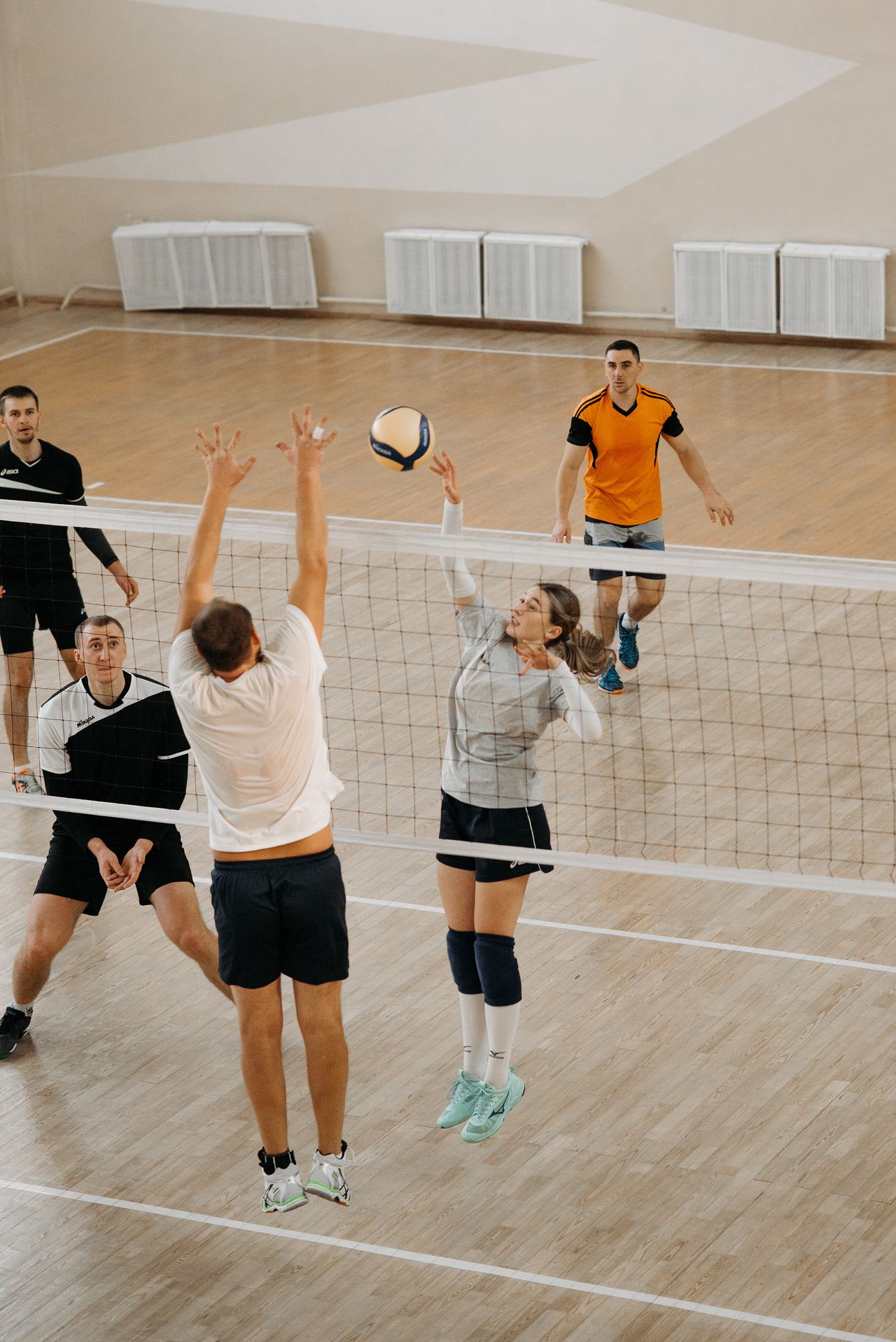
Indoor volleyball still matters in Tuvalu, but it does not define the country’s international reputation the way beach volleyball does. The indoor game can serve as a participation base, a school and community sport, and a way for more athletes to learn the fundamentals. Passing, setting, attacking mechanics, serving accuracy, and defensive movement all transfer between indoor and beach volleyball.
For Tuvalu, the ideal development model is not choosing one form over the other. It is using indoor volleyball to widen participation and beach volleyball to pursue regional medals. A young player may begin in a community or school setting, develop basic ball control, then move toward beach volleyball if they show the athleticism, conditioning, and mentality for the two-player game.
Because the country is small, coaching continuity is especially important. One strong coach, one consistent training group, or one international support project can have an outsized effect. The federation’s ability to keep athletes active between tournaments will be just as important as talent identification.
A Small Nation With a Real Volleyball Story
Tuvalu’s volleyball future is tied to focus. The country is unlikely to build the depth of a major indoor volleyball nation, but it does not need to. Its most realistic and compelling volleyball pathway is beach-first, regionally ambitious, and built around maximizing a small group of committed athletes.
The silver medal at the Pacific Games gave Tuvalu a platform. The next step is sustaining that standard: more tournament exposure, better training continuity, stronger youth recruitment, and more opportunities for players to compete outside their home environment.
Tuvalu’s volleyball identity is compact but meaningful. It is a beach volleyball nation with proof that small programs can matter when the pathway is clear. In Pacific volleyball, that makes Tuvalu more than a participant. It makes the country a legitimate sand-court threat whenever its best pairs are prepared, healthy, and given enough competition to sharpen their game.