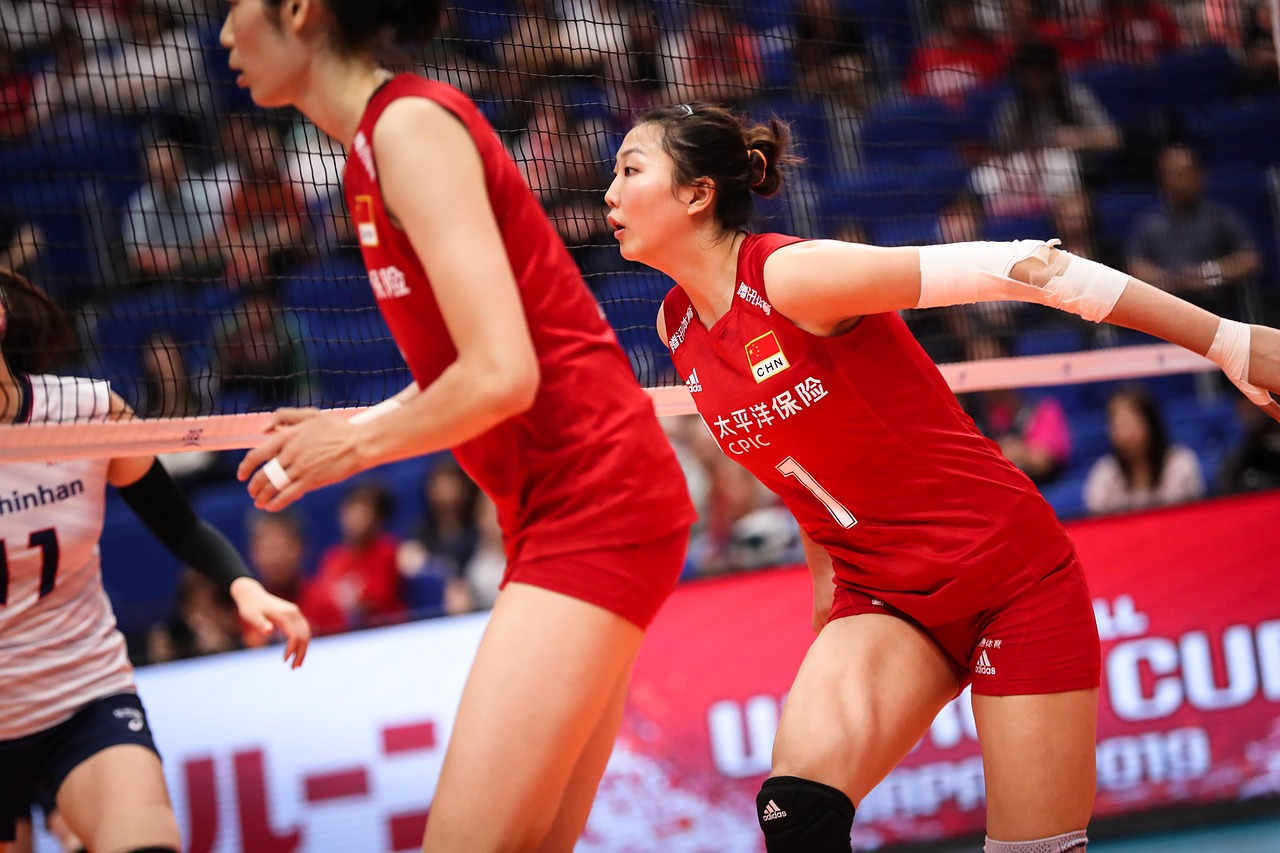
Madrid’s volleyball identity is shaped by its role as Spain’s capital: urban, institutional, competitive, and connected to the broader structure of Spanish sport. It is not a beach volleyball city in the way Spain’s coastal regions can be. It is not a single-club volleyball capital with one dominant global brand. Madrid is better understood as an indoor volleyball hub, where the sport lives through clubs, schools, universities, federations, municipal facilities, and the steady rhythm of organized competition.
That makes Madrid an important volleyball city even if it does not always command the same international attention as Spain’s football or basketball institutions. Volleyball in Madrid is part of a dense multisport environment. Athletes have choices. Facilities serve many sports. Clubs compete for attention, funding, and visibility. Within that crowded landscape, volleyball has carved out a serious identity through structure, participation, and a tradition of indoor competition.
An Indoor Volleyball Capital in a Multisport City
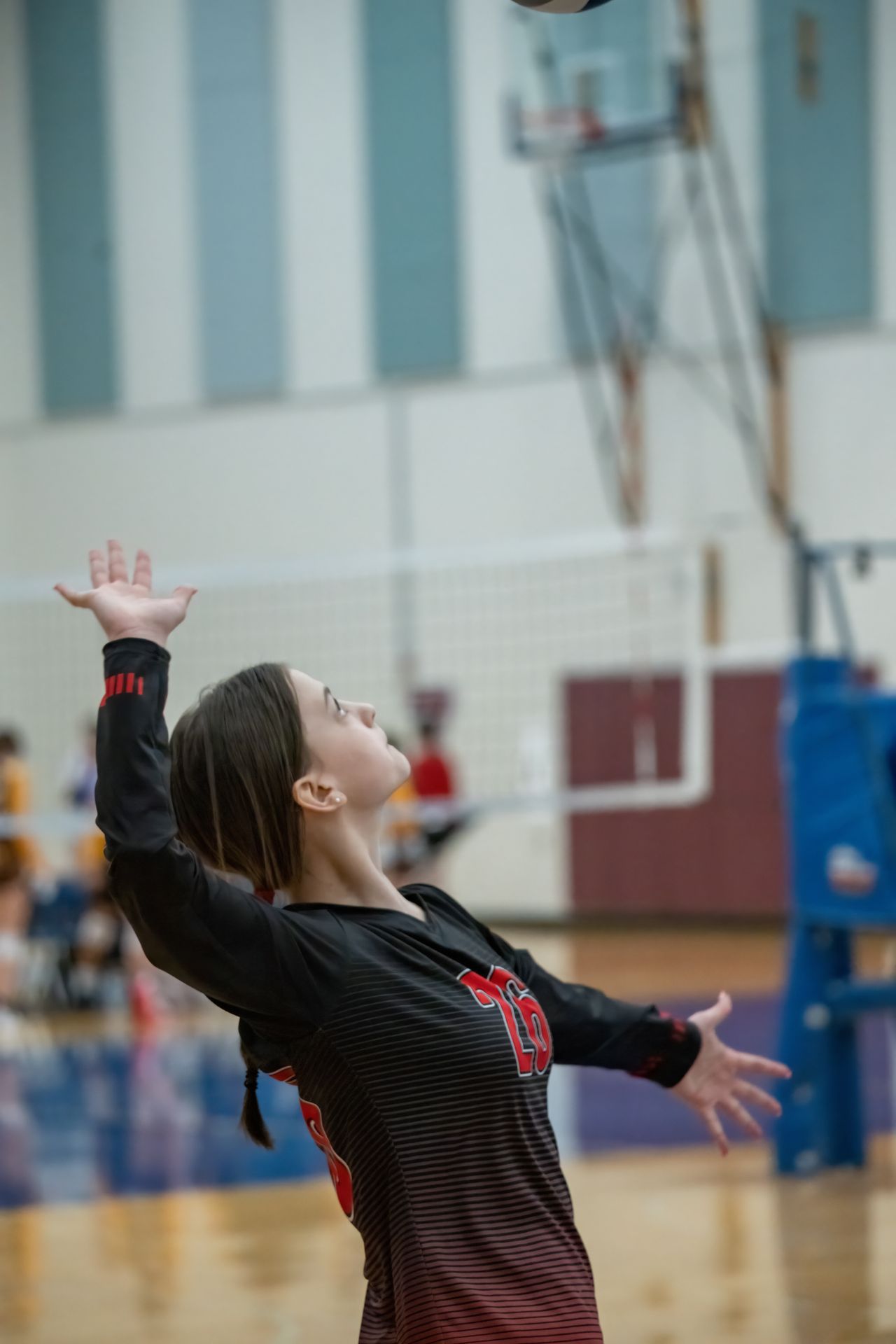
Madrid’s volleyball scene is built around the indoor game. The city’s climate allows for outdoor sport, and recreational volleyball exists in parks, schools, and informal settings, but Madrid’s serious volleyball identity belongs mostly to the gym. Indoor volleyball fits the city’s institutional sports culture: clubs, federated competition, school teams, university sport, and municipal facilities that support organized training.
In Spain, volleyball has often had to operate behind larger sports. Football is dominant, basketball is deeply established, tennis and padel have enormous participation bases, and handball has a strong tradition. Madrid reflects all of that. Volleyball must earn its space. The fact that it has done so gives the sport a particular character in the city. It is not carried by mass media attention. It is sustained by clubs, coaches, families, players, and competitions that value the sport’s technical demands.
The indoor game in Madrid emphasizes the core structure of European volleyball development. Players learn through clubs and federated competition, with attention to tactical organization, serving pressure, reception patterns, setting tempo, and defensive discipline. The city’s better volleyball environments are built around repetition and system play rather than casual athleticism alone.
Clubs, Federations, and the Madrid Development System
Madrid’s volleyball culture depends heavily on club infrastructure. For many players, the club is the center of their volleyball life. It provides training, competition, coaching, identity, and progression through age groups. This is different from the American school-first model, where high school and college teams dominate the public imagination. In Madrid, as in much of Europe, clubs and federations carry more of the developmental weight.
That club-based structure helps explain how volleyball survives in a city with so many competing sports. A good club can create continuity. Young players enter at beginner or youth levels, move into more competitive categories, develop technical skills, and eventually compete in senior teams or higher-level leagues. The pathway is not always easy, and volleyball does not have the same financial resources as Spain’s biggest sports, but the structure gives committed athletes a way forward.
Madrid also benefits from being the national capital. Federations, administrative bodies, events, and national sports institutions are more accessible there than in many other cities. That does not automatically make Madrid the strongest volleyball region in Spain, but it does make the city important to the sport’s organization and visibility. Volleyball in Madrid has a bureaucratic and institutional presence that smaller cities may not have.
The Style and Character of Madrid Volleyball
Madrid volleyball tends to reflect the city itself: competitive, structured, and shaped by density. In a large urban environment, clubs must be organized. Gym time matters. Training schedules matter. Teams must learn to use limited resources efficiently. That can create a serious volleyball culture where athletes who stay in the sport develop strong habits.
The best indoor teams require more than height and power. They need controlled first contact, setters who can manage tempo, middles who can move quickly along the net, liberos who read attackers, and outside hitters who can score in imperfect situations. Madrid’s volleyball development settings are well suited to teaching these parts of the game because club training tends to reward technical consistency.
The city’s volleyball identity is also shaped by diversity. Madrid attracts students, workers, international residents, and athletes from other regions. That gives recreational and competitive volleyball a broad player base. In some settings, volleyball becomes a meeting point for Spaniards and international players who bring different styles of play. Latin American, European, and local Spanish influences can all appear in the city’s amateur and club scenes.
Beach Volleyball’s Secondary Role
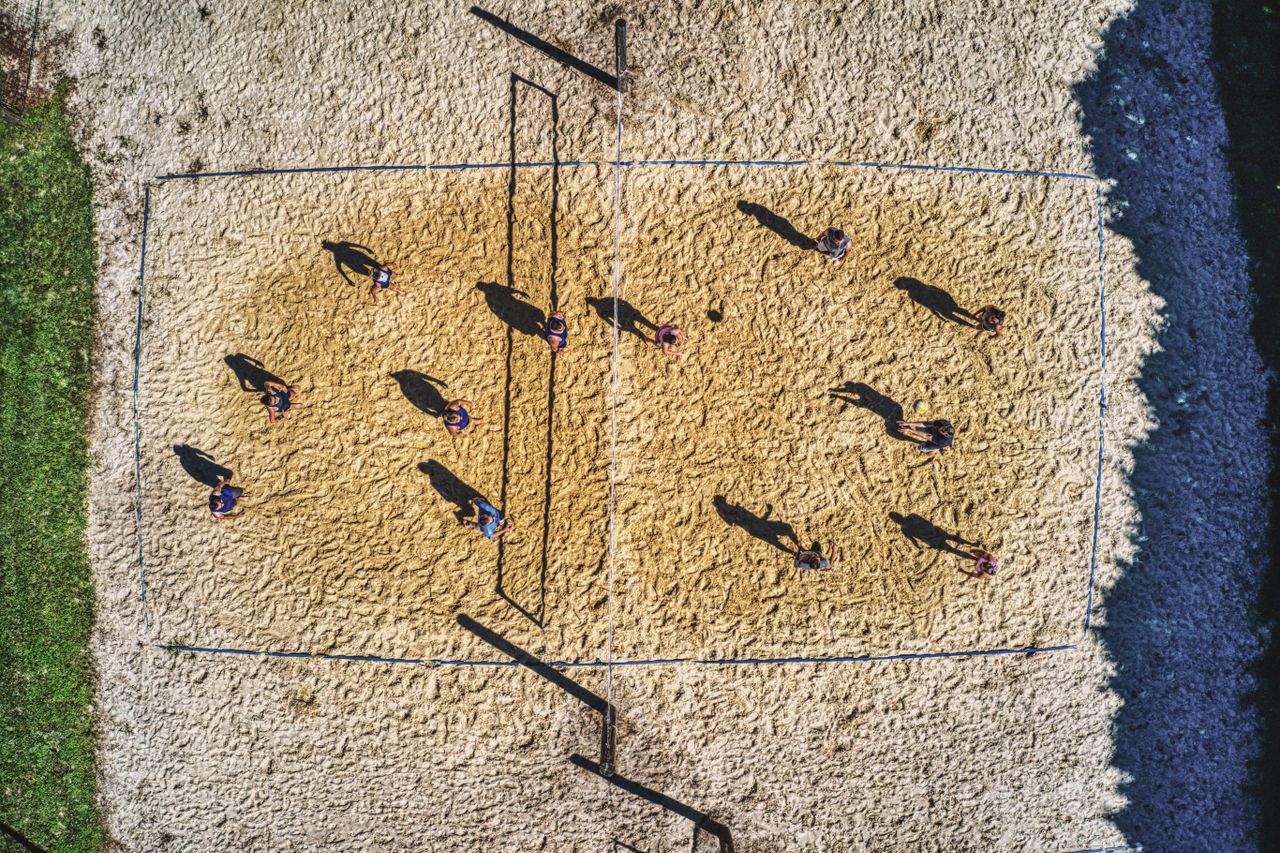
Madrid is not naturally a beach volleyball city. Spain has a strong beach identity in many coastal regions, and Spanish beach volleyball has international relevance, but Madrid’s geography places it inland. That means beach volleyball in the capital functions differently. It is not the core identity of the city’s volleyball culture. It is more of a complementary discipline, supported by artificial sand courts, summer events, training facilities, and players who may use beach volleyball for conditioning, skill development, or recreation.
That secondary role still matters. Beach volleyball can help players improve ball control, reading, movement, and all-around skill. It also offers a different social and athletic atmosphere from the indoor club season. In Madrid, however, beach volleyball does not define the sport’s public image the way indoor clubs and organized gym competition do. It adds variety, but it does not replace the indoor foundation.
Madrid’s Place in Spanish Volleyball
Madrid’s place in Spanish volleyball is important because of scale, visibility, and infrastructure. The city has the population base to support many players and teams. It has institutions that connect to national sport. It has clubs that give athletes a pathway into organized competition. It also has a large enough international community to keep recreational and amateur volleyball active beyond purely federation-driven settings.
Still, Madrid’s volleyball ceiling is shaped by the broader reality of Spanish volleyball. The sport has passionate communities, but it does not sit at the top of Spain’s sports hierarchy. That means growth often depends on coaching quality, facility access, club organization, youth recruitment, and the ability to keep athletes in the sport as they get older. Madrid has advantages in all of these areas, but it also faces pressure from bigger and more commercially visible sports.
The future of volleyball in Madrid will likely depend on whether clubs can continue expanding youth participation, strengthening women’s and men’s pathways, and making the sport visible in a crowded athletic marketplace. The city has the tools: population, facilities, institutions, universities, and a strong culture of organized sport. What volleyball needs is continued investment in coaching, competition, and public recognition.
Madrid is best understood as an indoor volleyball hub rather than a beach destination or a purely recreational market. Its volleyball character is serious, urban, and club-driven. The city may not always dominate Spain’s sports headlines, but it remains one of the country’s most important places for organized volleyball, player development, and the long-term structure of the sport.