Seychelles has the profile of a small island volleyball country where the sport’s identity is built less around global medals and more around community participation, school competition, island athletic culture, and the practical appeal of a game that fits both indoor courts and outdoor sand. In a country spread across islands in the Indian Ocean, volleyball has a natural place in the sporting landscape: it is accessible, team-oriented, relatively low-cost to organize, and well suited to the climate and recreational rhythms of coastal life.
The country’s volleyball scene is shaped by scale. Seychelles does not have the population base or professional sports infrastructure of the world’s major volleyball powers, but that does not make the sport incidental. Volleyball occupies a meaningful space in local recreation, school sport, and regional competition. The game can be played in formal gym settings, on outdoor courts, near beaches, and in community environments where team sports help maintain a steady athletic culture.
An Island Volleyball Culture
The strongest volleyball identity in Seychelles is its hybrid nature. Indoor volleyball gives the sport its organized competitive structure, while outdoor and beach-style volleyball fit naturally with the country’s geography. That mix is important because Seychelles is not simply a “beach volleyball country” in the way that larger international beach powers are. Its volleyball culture is more local, more developmental, and more connected to participation than to a globally recognized professional beach circuit.
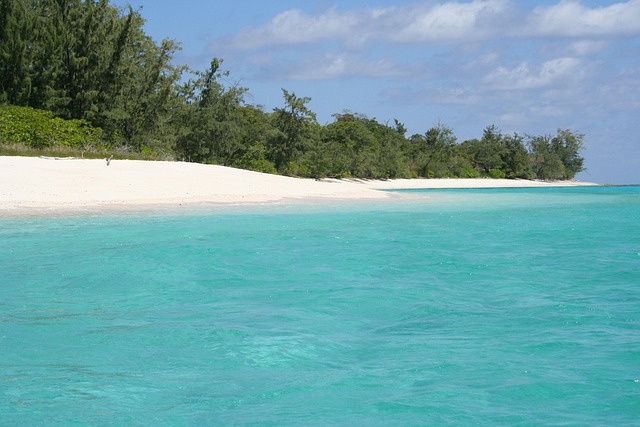
Still, the setting matters. Seychelles has the landscape for beach volleyball to feel natural rather than imported. Sand, coastal recreation, warm weather, and tourism-oriented public spaces create an environment where volleyball can be part of everyday sporting life. For many players, the sport’s appeal is not limited to formal competition. It is a game that can move between schools, clubs, recreational groups, and beach settings without losing its identity.
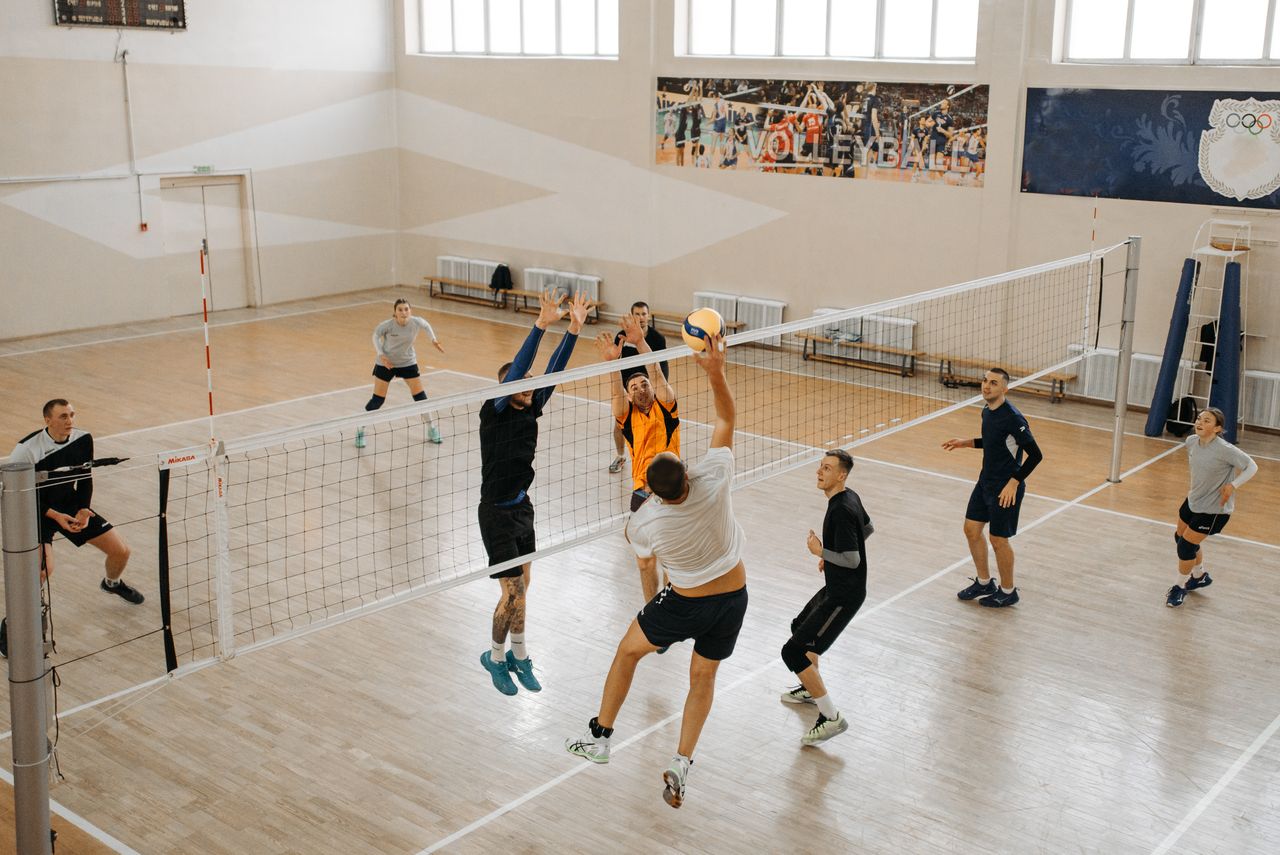
Indoor volleyball remains essential because it gives structure to the sport. Indoor competition allows for more formal coaching, team organization, position development, tactical systems, and repeatable training. Players can learn the technical foundation of the game: passing, setting, attacking, blocking, serving, defensive positioning, and serve receive. That foundation is what separates organized volleyball from casual beach play.
Development Through Schools and Clubs
In Seychelles, player development depends heavily on schools, local clubs, community programs, and federation-supported competition. A smaller country cannot rely on a huge competitive pyramid, so every functioning school program, youth team, coach, and local tournament carries extra weight. The development pathway is often narrower than it would be in a large volleyball nation, but it can also be more personal. Talented athletes are easier to identify, and committed coaches can have a direct influence on a generation of players.
Youth volleyball is especially important because the sport requires technical repetition from an early stage. A good volleyball player needs timing, footwork, platform control, court awareness, and position-specific skill. Setters need touch and decision-making. Liberos need reading ability and ball control. Middles need quick approach patterns and blocking discipline. Outside hitters need to pass, attack, and manage high-ball situations. In a smaller volleyball system, consistent coaching is the difference between casual participation and real competitive improvement.
Women’s volleyball also has room to be one of the stronger pillars of the sport. In many smaller countries, women’s indoor volleyball can become a central competitive outlet because it connects well with school sport, national representation, and regional tournaments. When the women’s game has institutional support, it often provides visibility for the entire volleyball community.
Regional Competition and National Ambition
Seychelles’ competitive volleyball context is regional before it is global. For a small island nation, the most realistic and meaningful tests often come against other African, Indian Ocean, and island volleyball programs. Regional tournaments matter because they provide benchmarks. They show where the national program stands in terms of athleticism, technical level, depth, and tactical organization.
International success for Seychelles volleyball is not only measured by whether the country reaches the top tier of world competition. It is also measured by whether the player pool grows, whether coaches improve, whether national teams can compete with structure, and whether young athletes see volleyball as a serious sporting option. The gap between recreational play and international volleyball is large, but regional competition gives the country a path to build gradually.
The sport’s future in Seychelles depends on continuity. More youth coaching, more regular competition, better facilities, stronger beach and indoor links, and clearer national-team pathways would all strengthen the game. Seychelles has the geography, climate, and community scale to keep volleyball visible. The next step is turning that natural fit into deeper competitive structure, so the sport is not only played widely but developed with purpose.