Luxembourg is a small-country volleyball program with a stronger competitive identity than its size might suggest. The country does not have the population base of Europe’s major volleyball nations, but it has built a meaningful place inside the CEV Small Countries Association and has produced notable results in women’s and youth competition. Luxembourg volleyball is not defined by professional spectacle or massive arenas. It is defined by organization, national-team visibility, youth development, and the ability to compete seriously against other small European federations.
The women’s program is one of the clearest strengths in Luxembourg volleyball. The “Red Lionesses” have given the country a recognizable national-team identity, including success in Small Countries Association competition. Results at the SCA level matter because they create a realistic competitive tier for countries that cannot match the depth of Italy, Serbia, Türkiye, Poland, or the Netherlands. For Luxembourg, winning and contending in that environment is not a consolation category. It is the correct competitive ecosystem, and success there shows that the federation can organize, train, and prepare teams capable of handling pressure.
Youth volleyball has also become an important part of Luxembourg’s profile. Strong results in age-group SCA events show that the country is not only relying on senior players or occasional strong teams. Youth success is especially meaningful in volleyball because technical skills take time. Good passing platforms, setter decision-making, blocking footwork, attacking range, and defensive discipline all need years of structured training. When Luxembourg performs well at U18 or U19 level, it points to a development system that is giving young players meaningful coaching and competition before they reach senior volleyball.
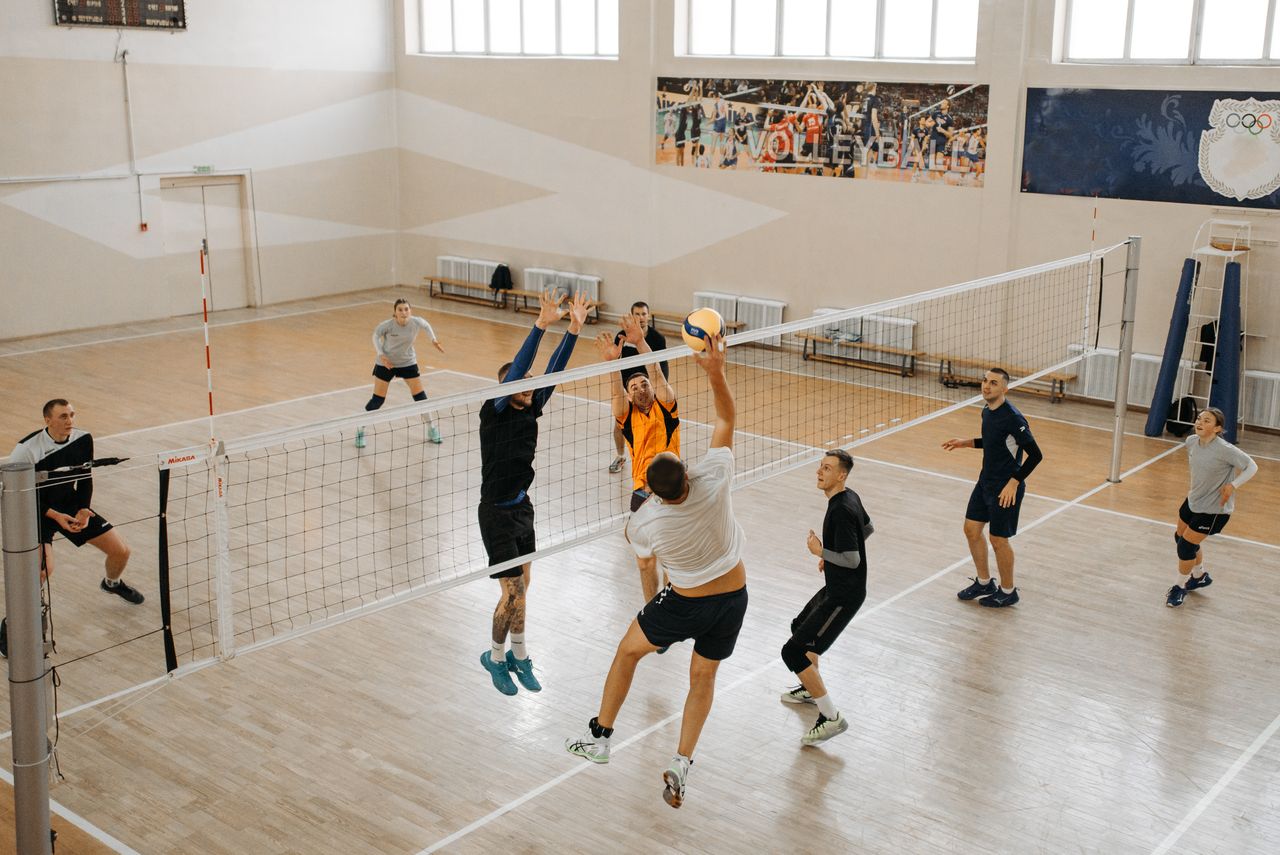
The country’s indoor volleyball culture is built through clubs, schools, national-team activity, and federation events. Luxembourg City and national sports facilities such as d’Coque give the sport a central stage for important competitions, but the wider health of volleyball depends on clubs that keep players active week after week. In a small country, the club system has to do several jobs at once. It introduces beginners to the sport, develops youth players, supports senior competition, and feeds national-team programs. The best small-country volleyball systems are usually the ones where clubs and federation goals reinforce each other rather than operating separately.
Men’s volleyball in Luxembourg has its own role, even if the women’s and youth stories often provide the sharper recent headlines. The men’s national team has participated in European and small-country competition, giving Luxembourg a broader volleyball identity beyond one program. For both men and women, the challenge is similar: building enough depth to compete through full tournaments, not just individual matches. Volleyball rewards depth because a team needs multiple passers, reliable setters, middle blockers who can close blocks, outside hitters who can score out of system, and liberos who stabilize serve receive. A small player pool makes every development success important.
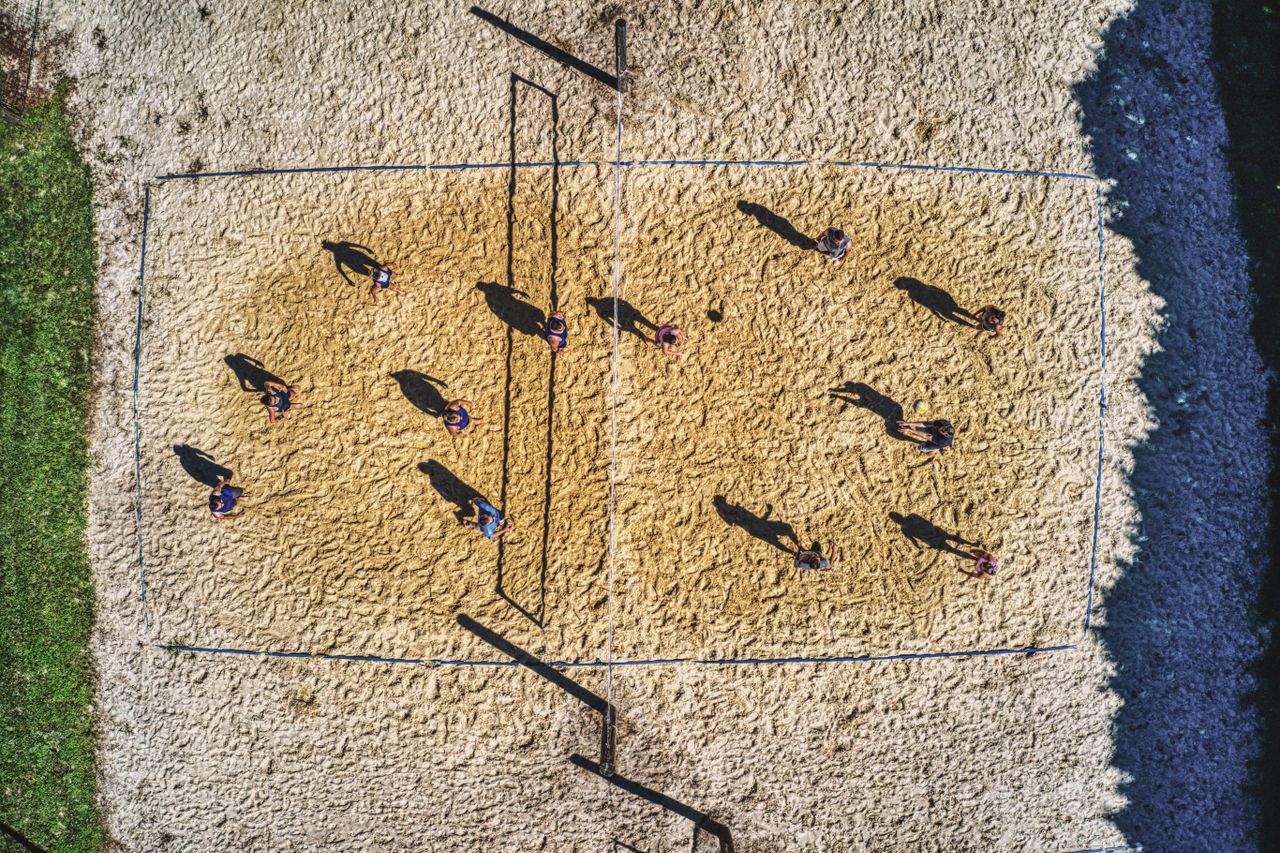
Beach volleyball adds another layer to Luxembourg’s volleyball scene. The country is inland, so beach volleyball is not part of a natural coastal lifestyle in the way it is in Brazil, Australia, or parts of the Mediterranean. Still, European beach volleyball has shown that inland countries can develop serious players through dedicated courts, summer circuits, and federation support. For Luxembourg, beach volleyball is valuable because it expands participation and improves all-around skill. Players who spend time on sand often return indoors with better reading, serving, touch, and defensive range.
Luxembourg’s future in volleyball looks strongest when it leans into what it already does well: small-country competition, women’s development, youth pathways, and organized club structures. Its ceiling is not determined only by population. It is determined by how consistently it can identify players, coach them well, expose them to meaningful matches, and keep them in the sport. Luxembourg has already shown that a small country can build a serious volleyball identity. The next step is sustaining that identity across generations and translating youth success into deeper senior-team competitiveness.