Baltimore’s volleyball identity is quieter than that of the country’s major volleyball capitals, but it has a clear and distinctive shape. It is a school, club, college, and adult recreation market built around indoor volleyball, regional competition, and the broader Mid-Atlantic sports environment. The city is not defined by beach volleyball or national-team fame. It is defined by local gyms, institutional programs, college campuses, community recreation, and a volleyball culture that has grown steadily alongside the region’s youth sports infrastructure.
Volleyball in Baltimore sits in a crowded sports landscape. Football, lacrosse, basketball, baseball, and soccer all have deep roots in Maryland. That means volleyball has had to build its identity through participation rather than spectacle. Its strength comes from players, coaches, schools, clubs, and adult leagues that keep the sport present even without the mass visibility of more dominant local sports.
A Mid-Atlantic Indoor Volleyball City
Baltimore is primarily an indoor volleyball market. The city’s geography and climate do not create the same beach-centered culture found in coastal resort towns or warm-weather volleyball hubs. Instead, volleyball is organized around school seasons, club training, college competition, recreation centers, and adult gym play. That gives the sport a practical, year-round structure.
The Mid-Atlantic setting matters. Baltimore athletes are not isolated. They are part of a larger volleyball region that includes Washington, D.C., Northern Virginia, Delaware, Pennsylvania, and the broader Maryland suburbs. That regional proximity raises the level of competition. Junior players can encounter strong clubs and school programs within a few hours of home, while college programs compete in conferences and schedules that connect Baltimore to the larger Eastern volleyball landscape.
This makes Baltimore a volleyball city with regional texture. Its players often develop in local environments but are tested by opponents from nearby states and metros. The strongest athletes learn to handle different systems, different tempos, and different levels of physicality. In a region with dense population and many schools, volleyball becomes a sport of repetition, travel, and competitive comparison.
Schools, Clubs, and the Development Pathway
The core of Baltimore volleyball is the development pathway from school participation to club competition. High school volleyball gives the sport its local foundation. It creates rivalries, team identity, and the first serious competitive environment for many athletes. For players who want to move beyond school competition, club volleyball provides the extended training calendar and tournament exposure needed to improve.
That relationship is especially important in a city where volleyball must compete with other established sports for athletes. A strong volleyball player in Baltimore may also have been drawn toward basketball, lacrosse, soccer, or softball. Volleyball earns commitment by offering something distinct: speed, precision, role clarity, and a team structure where communication matters on every point.
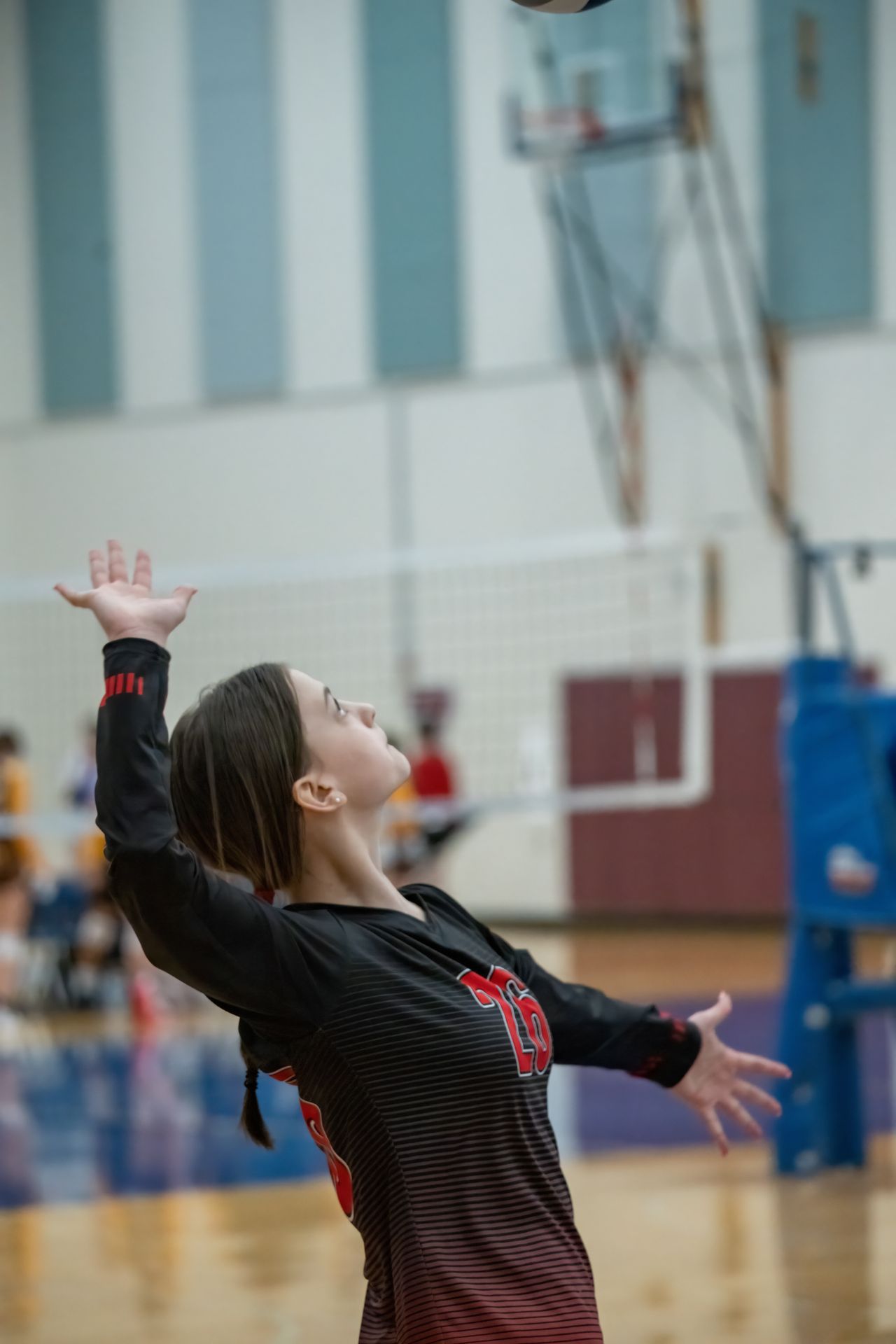
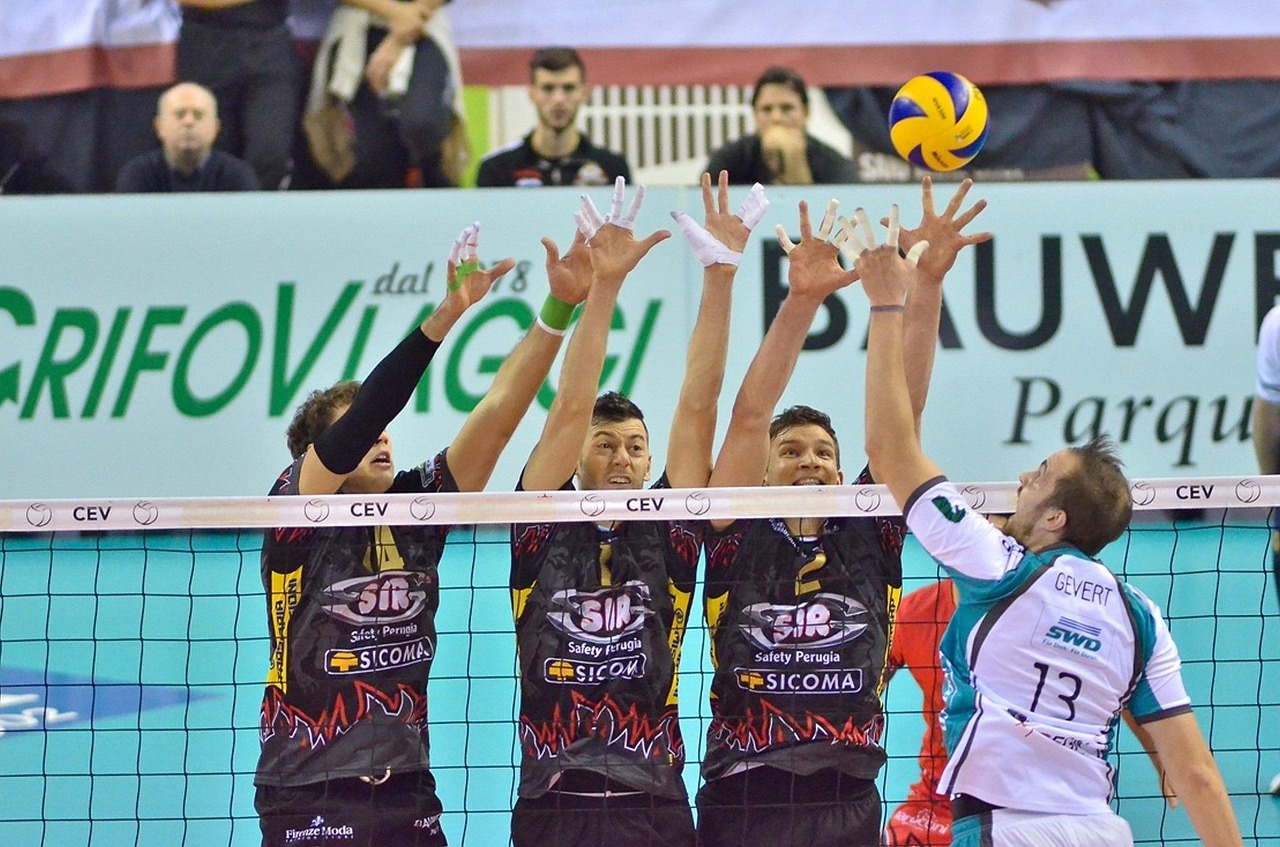
The modern indoor game demands more than general athleticism. Baltimore players who move through serious school and club environments learn the technical layers of the sport: passing platforms, setter footwork, defensive reading, blocking assignments, attacking range, serving zones, and transition movement. The game rewards athletes who can process quickly. A libero must read an attacker’s shoulder. A setter must know when to push tempo and when to stabilize. A middle blocker must close space fast enough to help on the pin. These details are what turn volleyball from a school activity into a competitive discipline.
Club volleyball also helps connect Baltimore athletes to college opportunities. Not every player is chasing Division I volleyball, but the region offers many levels of college competition. NCAA Division I, II, III, junior college, and club-level college volleyball all give athletes possible next steps. For a city like Baltimore, that range is important. It keeps more players in the sport and gives development value to athletes at different levels.
College Volleyball and Institutional Presence
Baltimore’s volleyball culture benefits from the presence of colleges and universities in and around the metro area. College volleyball gives the sport visibility beyond the youth level and shows younger athletes what disciplined, system-based volleyball looks like. The city’s college scene is not defined by one overwhelming national powerhouse, but by institutional variety. That matters for a metro market because it keeps volleyball connected to campuses, recruiting, coaching networks, and local sports communities.
College programs also influence the local coaching environment. Former college players often become youth coaches, trainers, officials, or adult league players. That circulation of volleyball knowledge helps sustain the sport. In markets without major professional volleyball infrastructure, the college game often becomes the highest visible standard. It teaches athletes how the sport looks when conditioning, scouting, rotations, serving strategy, and defensive systems are taken seriously.
Baltimore’s proximity to Washington, D.C. adds another layer. The two metros are distinct, but they influence each other in youth sports and adult competition. A Baltimore player may compete against teams from the D.C. suburbs. A college coach may recruit across the corridor. Adult players may move between leagues and open gyms depending on work, school, or location. That regional overlap strengthens the volleyball ecosystem.
Adult Volleyball and Community Play
Baltimore’s adult volleyball scene is an important part of the city’s overall identity. In many metros, volleyball would be weaker if it ended at high school graduation. Baltimore avoids that problem through adult leagues, open gyms, social competition, and recreational play. These settings may not produce elite prospects, but they keep volleyball visible and accessible.
Adult volleyball also gives the sport continuity. Former high school and college players stay involved. Newer players enter the game through social formats. Competitive adults find indoor leagues that preserve the structure of the sport without requiring a school or club calendar. This creates a wider volleyball community than youth competition alone could provide.
Outdoor volleyball exists in the region, especially through grass and seasonal play, but Baltimore’s identity remains indoor-first. The city’s volleyball character is more gym-based than beach-based. That is not a weakness. It simply means the sport’s strongest local expression comes through organized teams, school competition, club tournaments, and adult indoor play rather than coastal volleyball culture.
The Future of Volleyball in Baltimore
Baltimore volleyball has room to grow, especially if the sport continues expanding at the youth and school levels. The city’s potential lies in stronger entry points, deeper coaching, more accessible club options, and continued connections to the broader Mid-Atlantic competitive scene. Boys’ volleyball growth would also add another dimension to the local ecosystem if more schools and clubs develop sustainable opportunities.
Baltimore’s volleyball story is not about glamour. It is about structure, persistence, and participation. The city has the pieces of a durable volleyball market: schools, clubs, colleges, adult leagues, and regional competition. Its identity is practical and competitive rather than flashy. Volleyball in Baltimore is built in gyms, sustained by coaches, and carried by players who find in the sport a demanding, technical game with room to grow.