Vienna’s volleyball identity is one of the more unusual in Europe because the city combines a serious beach volleyball profile with a long indoor club tradition. It is not a volleyball capital on the scale of Poland’s biggest league markets or Italy’s historic club cities, but Vienna has something many inland European cities do not: a global beach volleyball image. The Danube, the city’s event culture, and Austria’s investment in beach volleyball have turned Vienna into a recognized stop in the international sand game.
At the same time, Vienna has an indoor history through clubs such as hotVolleys, which gives the city roots beyond summer spectacle. That dual identity matters. Vienna is not simply a recreational beach city, and it is not only an indoor club market. Its volleyball personality sits between European club tradition and outdoor event culture.
The Beach Volleyball Capital of Austria
Vienna’s modern volleyball image is strongly tied to beach volleyball. The city has hosted major international beach events, including the 2017 Beach Volleyball World Championships and editions of EuroBeachVolley. These events helped establish Vienna as one of the sport’s recognizable urban beach volleyball stages.
The setting is part of the appeal. Vienna is not a coastal city, but the Danube gives it an outdoor sports corridor. The idea of elite beach volleyball in Austria’s capital works because the city knows how to stage public events. Sand courts, temporary arenas, music, crowd energy, and summer atmosphere create a volleyball environment that feels distinct from standard indoor competition.
For Austrian beach volleyball, Vienna functions as both showcase and amplifier. Austria has produced respected beach teams, and the capital gives those athletes a stage where the sport can reach casual fans as well as dedicated volleyball followers. The city’s beach events have helped give Austrian volleyball international visibility beyond what the domestic indoor league alone could provide.
Indoor Roots and hotVolleys Tradition
Vienna’s volleyball story is not only about sand. The indoor game has a deeper club history, especially through hotVolleys Vienna. Founded in the 1950s under an earlier club identity, hotVolleys became one of the recognizable names in Austrian men’s volleyball. The club’s history includes domestic success and participation in European competition, making it an important part of Vienna’s indoor volleyball reputation.
That matters because indoor volleyball is the backbone of most European volleyball systems. Clubs develop players, create coaching networks, compete in national leagues, and establish standards for tactical play. Even when beach volleyball receives more public attention, indoor clubs provide continuity.
Vienna’s indoor identity is different from that of Poland or Italy. Austria’s domestic league does not have the same global prestige as PlusLiga or SuperLega, and Vienna clubs are not surrounded by the same national volleyball intensity found in the biggest European volleyball countries. But the city’s indoor clubs still give players a structured pathway. They provide the setting where athletes learn six-on-six systems, blocking patterns, serve receive formations, and the physical requirements of senior volleyball.
A City Where Event Culture Shapes the Sport
Vienna is particularly strong as an event city. That shapes volleyball’s local identity. Beach volleyball thrives when competition becomes a public spectacle, and Vienna has shown that it can turn the sport into a city event rather than a niche tournament. The crowd experience, temporary stadiums, and festival atmosphere help beach volleyball feel larger than its usual footprint.
This is important for the sport’s growth. Volleyball often faces a visibility problem in countries where football and winter sports dominate. A major beach event can cut through that. It gives casual spectators a reason to watch, creates media moments, and allows sponsors to attach themselves to a sport that is visually appealing and easy to understand.
Vienna’s beach volleyball scene benefits from that dynamic. The sport can be technical and elite, but it also works as an urban summer event. Fans do not need to know every blocking call or defensive read to enjoy long rallies, athletic digs, and match-point pressure. That accessibility helps Vienna use beach volleyball as a gateway into the wider sport.
Player Development in the Austrian Context
Vienna’s player development system depends on clubs, schools, and Austria’s broader federation structure. The city gives athletes access to indoor volleyball training while also offering more beach opportunities than many inland regions. That combination can produce well-rounded players, especially those who move between indoor and beach volleyball during different parts of the year.
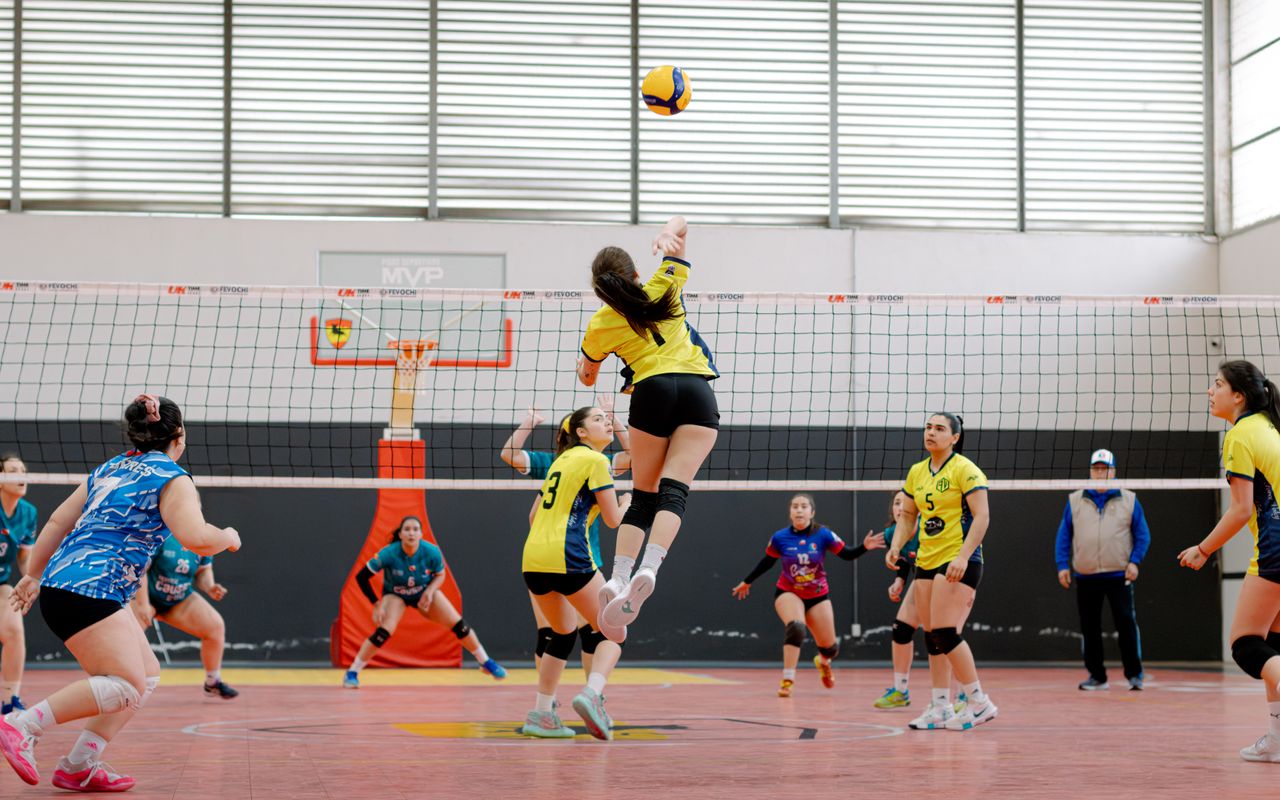
Indoor volleyball develops specialization. Setters learn timing and decision-making. Middles learn footwork and blocking discipline. Liberos learn serve receive and defensive range. Outsides learn how to carry a heavy passing load while still scoring. Beach volleyball adds another layer because it demands complete skill sets. A beach player must serve, pass, set, attack, defend, and read the opponent with fewer teammates covering the court.
Vienna’s best volleyball environment is therefore not one-dimensional. Athletes can grow through indoor systems and still be exposed to the beach game’s all-around demands. That gives the city an appealing development profile even if Austria as a whole is not one of Europe’s deepest indoor volleyball powers.
Fan Culture and Visibility
Vienna volleyball fans are not the same as Polish indoor volleyball fans or Japanese national-team followers. The city’s volleyball culture is more event-driven, more seasonal, and more connected to the appeal of major tournaments. When beach volleyball is staged well, Vienna can create an atmosphere that feels intense, stylish, and accessible.
Indoor volleyball has a smaller but more traditional following. Club supporters, youth families, coaches, and players form the base. The challenge is building regular attention beyond that core. In a city with football, hockey, skiing culture, tennis events, and a wide arts and entertainment landscape, volleyball has to work for visibility.
Beach volleyball gives Vienna a solution. It allows the city to attach volleyball to summer, public space, international competition, and urban entertainment. That makes the sport easier to market and easier to explain to casual fans.
The Future of Volleyball in Vienna
Vienna’s volleyball future will likely continue to be hybrid. The beach game gives the city its strongest international identity, while indoor clubs preserve the sport’s year-round structure. The best version of Vienna volleyball is not one where beach and indoor compete for attention. It is one where they reinforce each other.
The city has already shown that it can host major beach volleyball events with credibility. The next step is turning that event visibility into deeper participation, stronger youth pathways, and a more durable indoor profile. If Vienna can keep using beach volleyball as its public face while supporting clubs and player development underneath, it can remain one of Europe’s most interesting urban volleyball markets.