Turkmenistan’s volleyball identity is built around the indoor game and the country’s growing place in Central Asian competition. It is not one of Asia’s established volleyball powers, but it has become a more relevant regional program through CAVA events, men’s national-team competition, and the gradual strengthening of its competitive profile. Volleyball in Turkmenistan is best understood as an emerging indoor scene with a regional pathway: a country trying to turn athletic structure, national-team experience, and Central Asian competition into a more consistent place on the Asian volleyball map.
The country’s volleyball profile is shaped by geography as much as tradition. Turkmenistan sits within the Asian Volleyball Confederation structure and competes in the Central Asian Volleyball Association environment, where the relevant comparisons include Afghanistan, Uzbekistan, Kyrgyzstan, Pakistan, Bangladesh, Sri Lanka, Nepal, and other regional programs. For Turkmenistan, success in that zone is not a side note. It is the foundation of international credibility.
An Indoor-First Volleyball Country
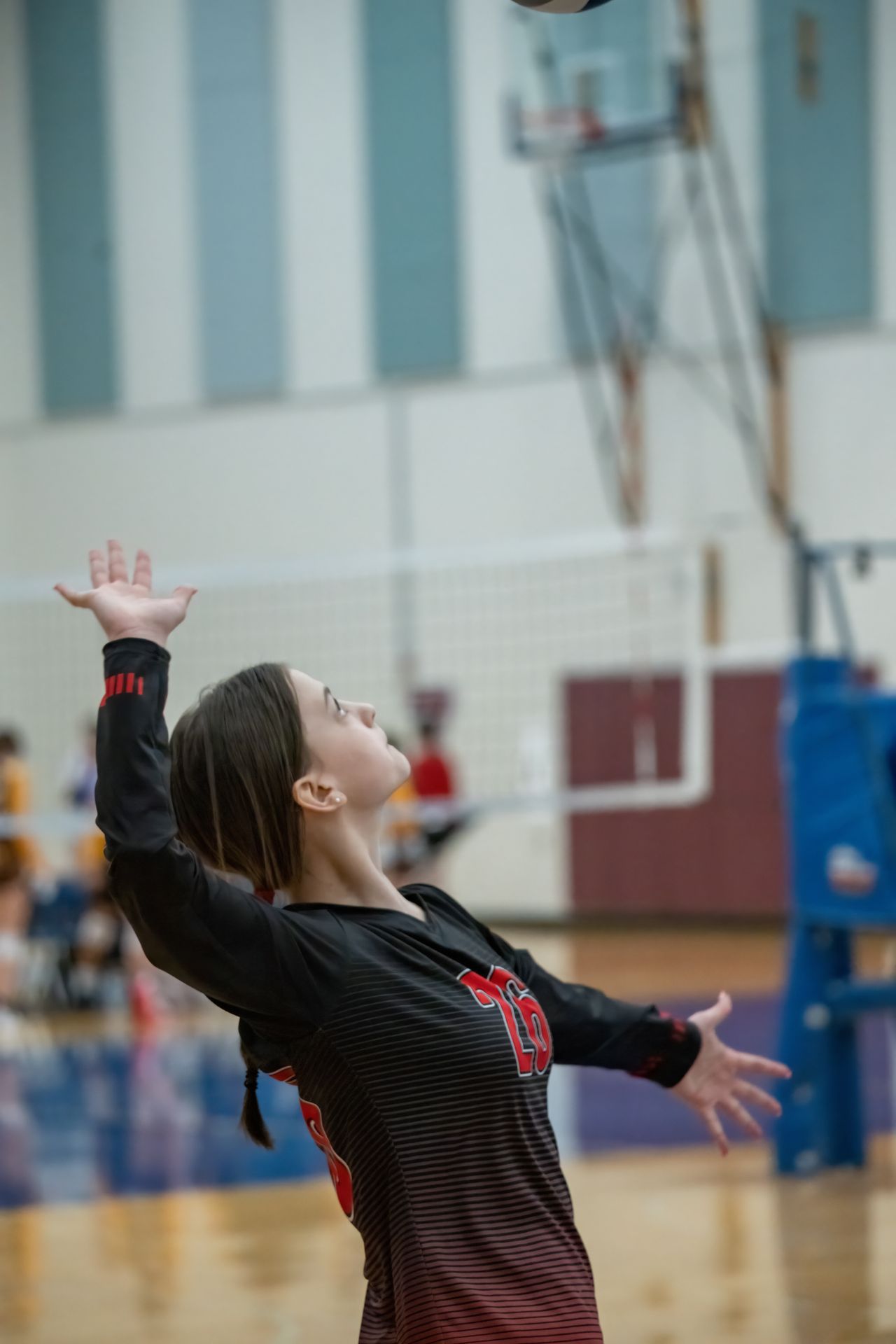
Turkmenistan’s volleyball scene is indoor-first. Beach volleyball may exist at a developmental or recreational level, but it is not the defining feature of the national profile. The country’s competitive identity comes from six-player volleyball: serving runs, block organization, transition offense, and the ability to manage matches against regional opponents with different styles.
Central Asian volleyball can be physically demanding and tactically uneven in a way that tests discipline. Matches often swing on serve pressure, passing stability, and whether teams can limit errors after long rallies. For Turkmenistan, becoming more competitive means building setters who can run an offense under pressure, outside hitters who can score against formed blocks, liberos who stabilize first contact, and middles who can influence both the block and quick attack.
That is the type of volleyball identity Turkmenistan is trying to build. The program’s progress depends less on producing one star and more on developing a full competitive system. In indoor volleyball, a national team cannot survive on athleticism alone. It needs rhythm, spacing, communication, and repeated exposure to matches where the fifth set is decided by two or three details.
Central Asian Competition as the Measuring Stick
For Turkmenistan, the CAVA pathway is central. Regional events provide meaningful international matches without requiring the country to immediately compete against Asia’s strongest volleyball nations. That gives Turkmenistan a ladder: first become a consistent Central Asian contender, then convert that progress into Asian Championship appearances and stronger continental results.
Recent CAVA competition has given Turkmenistan more visibility. Strong performances in men’s regional events have shown that the country can compete in tense, high-pressure matches rather than simply participate. That matters for player development. A five-set regional final, a close pool match, or a comeback win teaches a national team more than a one-sided friendly ever could.
The country’s men’s program has been especially important in shaping the current volleyball narrative. When Turkmenistan performs well in CAVA events, it signals that its indoor volleyball system has enough size, athleticism, and tactical base to challenge neighboring programs. The next challenge is consistency. Regional success must become repeatable across tournament cycles, age groups, and away venues.
Development and Volleyball Infrastructure
Turkmenistan’s player-development pathway is likely to remain closely tied to schools, sports institutions, national training programs, and federation activity. Unlike countries with large private club ecosystems, Turkmenistan’s volleyball growth depends more on centralized development and organized national competition. That can be a limitation, but it can also create structure if coaching standards, youth identification, and competition calendars are managed well.
The most important technical need is broad skill development. Emerging volleyball nations often produce athletes with size or power before they produce complete passers, setters, and defensive specialists. Turkmenistan’s next step is not simply to hit harder. It is to become cleaner in serve receive, faster in transition, more disciplined in block-defense coordination, and more flexible in offensive tempo.
Women’s volleyball is also an important part of the long-term picture. A country’s volleyball culture becomes stronger when both men’s and women’s programs have visible pathways. If girls’ volleyball receives consistent school and youth-level support, it can deepen the national talent pool and make volleyball more than a narrow elite men’s project.
A Program Looking for a Higher Regional Ceiling
Turkmenistan’s volleyball future will be defined by whether regional success becomes a platform rather than a peak. The country has already shown that it can be relevant in Central Asian men’s volleyball. The next stage is building a broader base: more youth players, more trained coaches, more domestic competition, and more international exposure.
The country does not need to become an Asian powerhouse overnight for its volleyball story to be meaningful. Its current identity is that of an indoor program gaining weight in its region. That is a serious sports profile. In a volleyball zone where momentum can shift quickly, Turkmenistan’s task is to turn isolated tournament performances into a recognizable national style: disciplined serving, organized blocking, reliable first contact, and enough attacking balance to win close matches.
If that happens, Turkmenistan can move from emerging participant to durable Central Asian contender. That would give the country a clearer place in Asian volleyball and create a stronger foundation for the next generation of players.