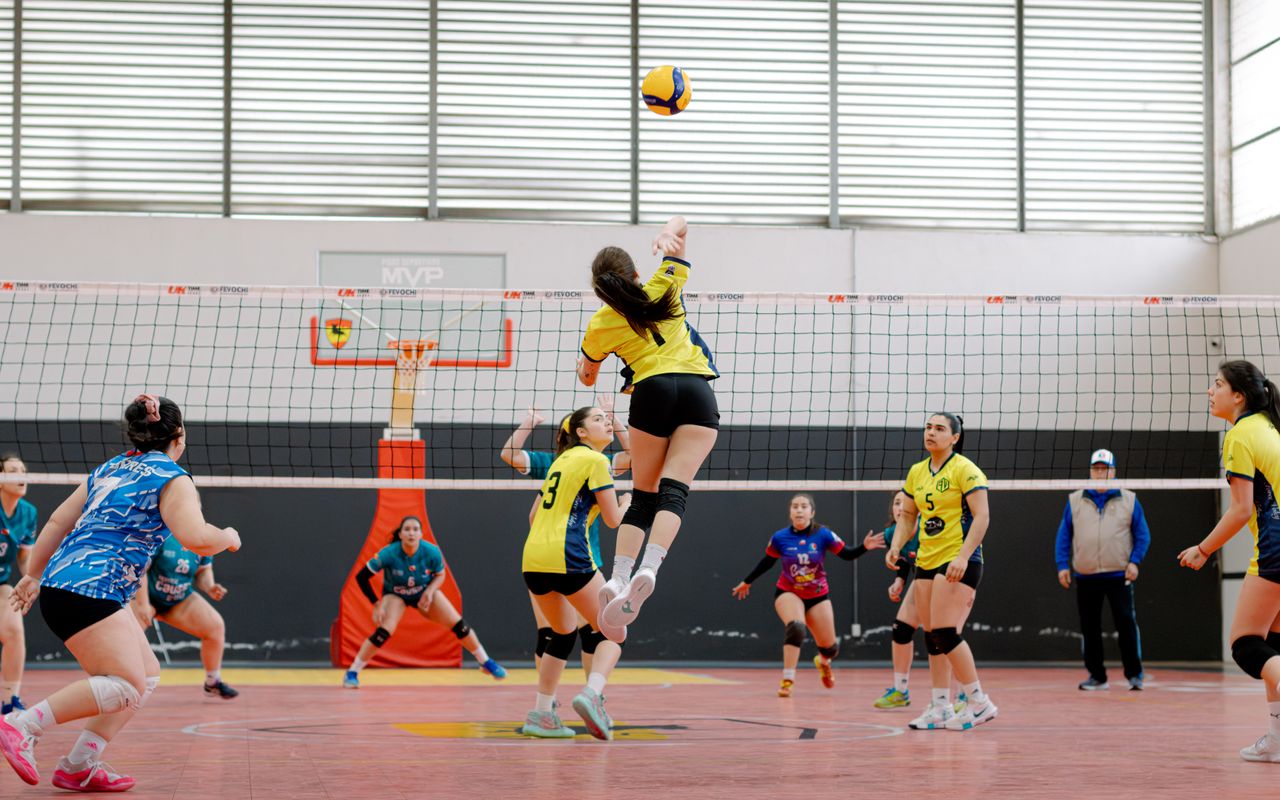
Kosovo’s volleyball identity is that of a young European volleyball nation building structure, legitimacy, and competitive experience inside one of the world’s deepest volleyball regions. Unlike countries with decades of uninterrupted international volleyball history, Kosovo is still forming its modern volleyball profile. Its story is not about established world medals or a dominant professional league. It is about federation development, youth participation, Balkan competition, European integration, and the slow process of turning domestic enthusiasm into sustainable national-team progress.
The Volleyball Federation of Kosovo is recognized within the European volleyball structure, with CEV listing Kosovo among its national federations. That matters because Europe is a demanding volleyball environment. Kosovo is surrounded by countries and regional neighbors with serious indoor volleyball traditions. The Balkans in particular have produced elite players, strong clubs, and national teams with technical discipline and competitive edge. For Kosovo, regional volleyball is both a challenge and an opportunity: the standard is high, but nearby competition gives the country a clear model for development.
Kosovo became the 11th member of the Balkan Volleyball Association in 2016, placing it inside a regional structure that organizes volleyball and beach volleyball competitions for member countries. That is an important piece of Kosovo’s competitive identity. Balkan competition can accelerate development because it exposes teams to opponents with stronger volleyball habits: cleaner first contact, faster offenses, more disciplined blocking, and better transition systems. For a developing national program, those matches can reveal exactly where technical gaps exist.
Youth development is central to Kosovo volleyball’s future. The country joined the CEV School Project “Play Volleyball, Grow with it” in March 2018, a grassroots initiative designed to introduce children to volleyball through schools and age-appropriate programming. For Kosovo, this is not a minor detail. A young federation needs broad entry points. School volleyball can create the first layer of players, introduce basic movement and ball control, and help identify athletes who can later move into clubs and national-team age groups.
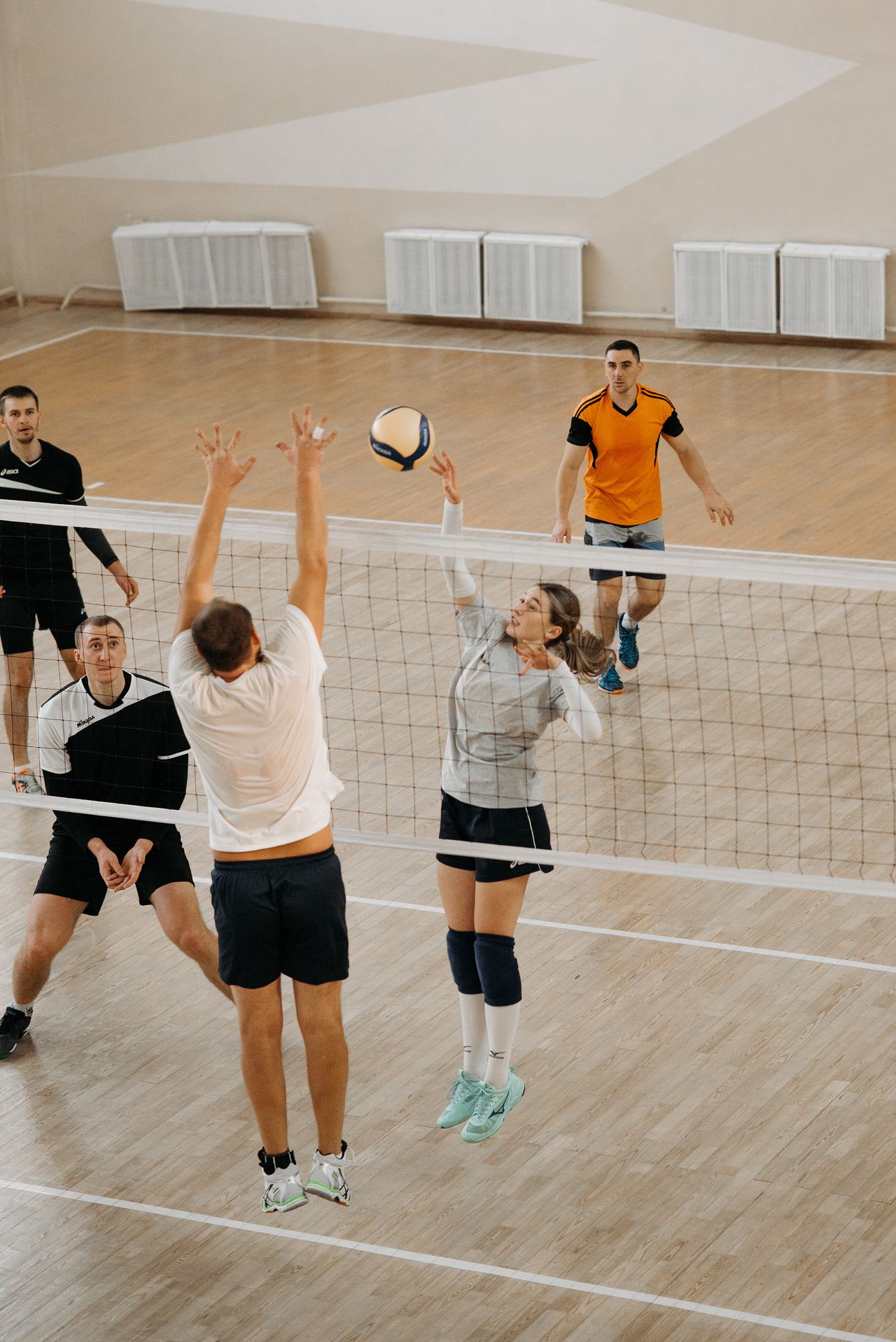
Kosovo’s indoor volleyball scene is the core of its identity. The country’s development depends on clubs, school programs, coaches, and federation planning working in the same direction. In volleyball terms, Kosovo needs more players who are trained by position earlier and more consistently: setters who can run tempo, liberos who can stabilize serve receive, middles who can read the setter, and outside hitters who can score against organized blocks. Those details matter because European volleyball punishes loose structure quickly.
Kosovo has also worked to connect its volleyball development with stronger European systems. In 2023, the Kosovo Volleyball Federation reached a cooperation agreement with the Italian Volleyball Federation, with CEV support around the initiative. That kind of relationship can be valuable if it leads to coach education, exchange, technical guidance, and better administrative practices. Italy is one of Europe’s major volleyball countries, so even limited cooperation can give Kosovo useful models for youth development and federation organization.
Beach volleyball and snow volleyball may have niche roles, but Kosovo’s main opportunity remains indoor volleyball. The country’s ceiling will be shaped by how well it builds its domestic base and how often its teams face higher-level regional opponents. The next phase is not about sudden arrival. It is about accumulating competitive experience, improving coaching depth, strengthening youth systems, and turning Kosovo into a more consistent presence in Balkan and European volleyball.