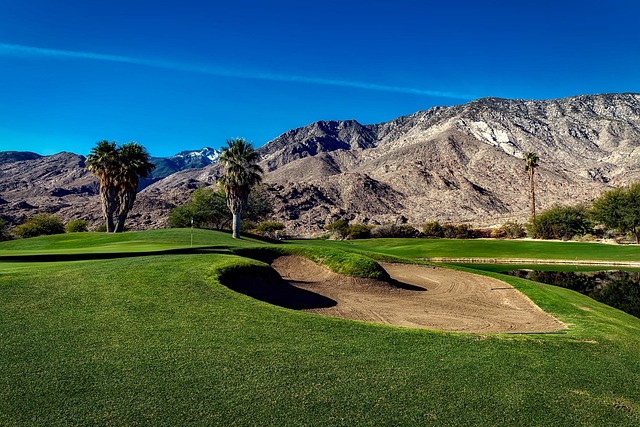
Palm Springs is not a traditional volleyball powerhouse, but it has a clear and useful volleyball identity. It is a desert recreation market with a growing youth and adult volleyball scene shaped by warm weather, resort culture, community sports, school programs, and the broader Southern California volleyball ecosystem.
That makes Palm Springs different from coastal California. It is not Manhattan Beach, Hermosa Beach, or Huntington Beach. It does not have the same beach volleyball mythology or dense year-round sand tournament culture. Its volleyball personality is more regional and community-driven. The sport grows through local gyms, desert schools, adult outdoor play, recreation leagues, youth training, and the Coachella Valley’s connection to Southern California club volleyball.
The first thing to understand about Palm Springs volleyball is that the location matters. Heat, seasonality, tourism, and the spread-out geography of the Coachella Valley all shape how the sport functions. Volleyball here is less about one dominant institution and more about a network of playing opportunities across Palm Springs, Palm Desert, Cathedral City, Rancho Mirage, La Quinta, Indio, and nearby communities.
A Resort Market with a Volleyball Pulse
Palm Springs has a sports culture shaped by recreation. Golf, tennis, pickleball, swimming, hiking, and fitness activities all fit naturally into the area’s identity. Volleyball has to find its place within that active lifestyle market. It does so through sand volleyball, adult leagues, meetups, school teams, and youth development programs.
Because Palm Springs is a resort city, the volleyball scene often has a social dimension. Outdoor play matters. So does adult participation. The city’s climate allows for a long playing calendar, although the desert summer forces players to think carefully about timing, hydration, and indoor alternatives. Evening play, seasonal leagues, and shaded or indoor facilities become more important than they might be in a coastal city.
This gives Palm Springs volleyball a particular rhythm. It is not the constant urban gym grind of a major club hub. It is not the full beach-culture immersion of the Pacific coast. It is a hybrid desert model: part recreational, part youth-development, part social sport, part Southern California volleyball satellite.
Youth Volleyball in the Coachella Valley
The most important long-term piece of the Palm Springs volleyball scene is youth development. The Coachella Valley has enough schools and families to support a real pipeline, even if the region is not yet known as one of California’s elite volleyball hotbeds. High school volleyball gives many players their first organized experience with the sport. From there, the next step is better coaching, more touches, stronger competition, and access to club-level training.
In Southern California, club volleyball can become highly competitive very quickly. Players in Palm Springs and the surrounding valley are part of that larger reality. The challenge is distance and density. Coastal and inland metropolitan areas closer to Los Angeles, Orange County, and San Diego have deeper club networks, more tournaments, and more recruiting visibility. Palm Springs has to build its own local strength while staying connected to the larger regional volleyball map.
That does not make the area weak. It makes its development path different. A committed player from Palm Springs may need to travel more for elite competition, but the fundamentals can still be built locally. Serving, passing, setting footwork, defensive reading, arm swing mechanics, and volleyball IQ do not require a famous ZIP code. They require consistent coaching and competitive repetition.
Desert Sports and the Local Facility Question
For volleyball to grow in Palm Springs, facilities matter. Desert volleyball markets need dependable indoor spaces because the outdoor climate can be both an advantage and a limitation. The ability to train indoors allows young players to keep developing during the hottest parts of the year and gives adult leagues a stable environment when outdoor play becomes difficult.
The Palm Desert side of the valley has become especially important in this regard. A dedicated volleyball center in the broader Coachella Valley gives the region something more durable than occasional open gym play. It creates a place where younger athletes can learn the sport, teams can train, and the local volleyball community can gather around a more structured environment.
That structure is essential if Palm Springs wants to become more than a casual volleyball market. Recreational play creates interest. School volleyball creates entry points. But facilities and coaching create improvement. The stronger those pieces become, the more Palm Springs can develop its own volleyball identity rather than simply feeding players toward larger Southern California markets.
Sand Volleyball Without the Coast
Palm Springs has sand volleyball, but it should be understood differently from beach volleyball at the coast. There is no ocean backdrop, no pier culture, and no historic beach volleyball identity. Instead, sand volleyball in Palm Springs is part of the desert recreation landscape. It works because people want outdoor competition, fitness, and social sport in a warm-weather environment.
That gives the sand game a valuable role. It can attract adult players who are not looking for formal six-on-six indoor volleyball. It can also help younger players develop movement, ball control, and shot-making. Sand forces players to become more complete. Passing, setting, attacking, and reading the court are shared responsibilities. For indoor players, that can sharpen all-around skill.
In Palm Springs, the sand game is best viewed as a complement, not the center of the volleyball identity. The area is not trying to replicate Southern California’s beach capitals. Its outdoor volleyball scene is more local, seasonal, and community-based.
Where Palm Springs Volleyball Can Go
Palm Springs volleyball has room to grow because the underlying ingredients are strong. The region has warm weather, active residents, a strong recreation culture, families with youth-sports interest, and proximity to one of the most competitive volleyball states in the country. The main question is how much structure the sport can build locally.
The future of volleyball in Palm Springs likely depends on three things: better youth pathways, reliable indoor training, and stronger links to Southern California competition. If young players can train consistently in the valley, compete against stronger programs outside the valley, and return with higher standards, the local level rises.
Palm Springs will probably not become a national volleyball capital. That is not its natural role. Its more realistic identity is as a desert volleyball market with a lively adult scene, developing youth programs, and a growing place inside the Coachella Valley sports landscape. That identity is still valuable. Volleyball does not need every city to be an elite hub. It needs places where the sport can be played, taught, and carried forward. Palm Springs has the foundation to be one of those places.