Miami has a hybrid volleyball identity shaped by beach culture, indoor club development, college volleyball, and the city’s international athletic personality. Unlike Miami Beach, which is defined primarily by sand and oceanfront courts, Miami’s volleyball scene is broader and more layered. It includes junior clubs, school programs, indoor training, adult recreation, beach athletes, and a major NCAA presence through the University of Miami.
That makes Miami one of the more interesting volleyball markets in the Southeast. It is not simply a beach volleyball city, even though the beach is impossible to ignore. It is not purely an indoor volleyball city either. Miami sits at the intersection of both versions of the sport. Players can grow up training indoors, cross over to sand, compete in school gyms, play club tournaments, watch college volleyball, and stay involved through adult leagues and open play.
A South Florida Volleyball Hub
Miami benefits from the size, density, and diversity of South Florida. Volleyball here is fed by a large youth population, strong private training culture, year-round weather, and a community with deep ties to Latin America and the Caribbean. That international influence matters. Volleyball has strong followings in countries such as Brazil, Cuba, the Dominican Republic, Colombia, Peru, Argentina, and Puerto Rico. Miami’s population brings pieces of those volleyball cultures into the local scene.
The result is a volleyball environment with many entry points. Some players come through school volleyball. Others enter through clubs. Some start in recreational beach games and later become more serious. Others arrive in Miami with indoor experience from another country and find a local community through open gyms, adult leagues, or coaching. The city’s volleyball identity is less centralized than in smaller markets, but it is richer because of that variety.
Miami’s geography also gives it a natural sand volleyball advantage. Even when players are training indoors, beach volleyball is close enough to influence the overall culture. The sand game rewards stamina, ball control, reading, and versatility. Indoor players who spend time outdoors often become better all-around athletes. In Miami, that crossover is more available than in most American metros.
Indoor Volleyball and the Club Pathway
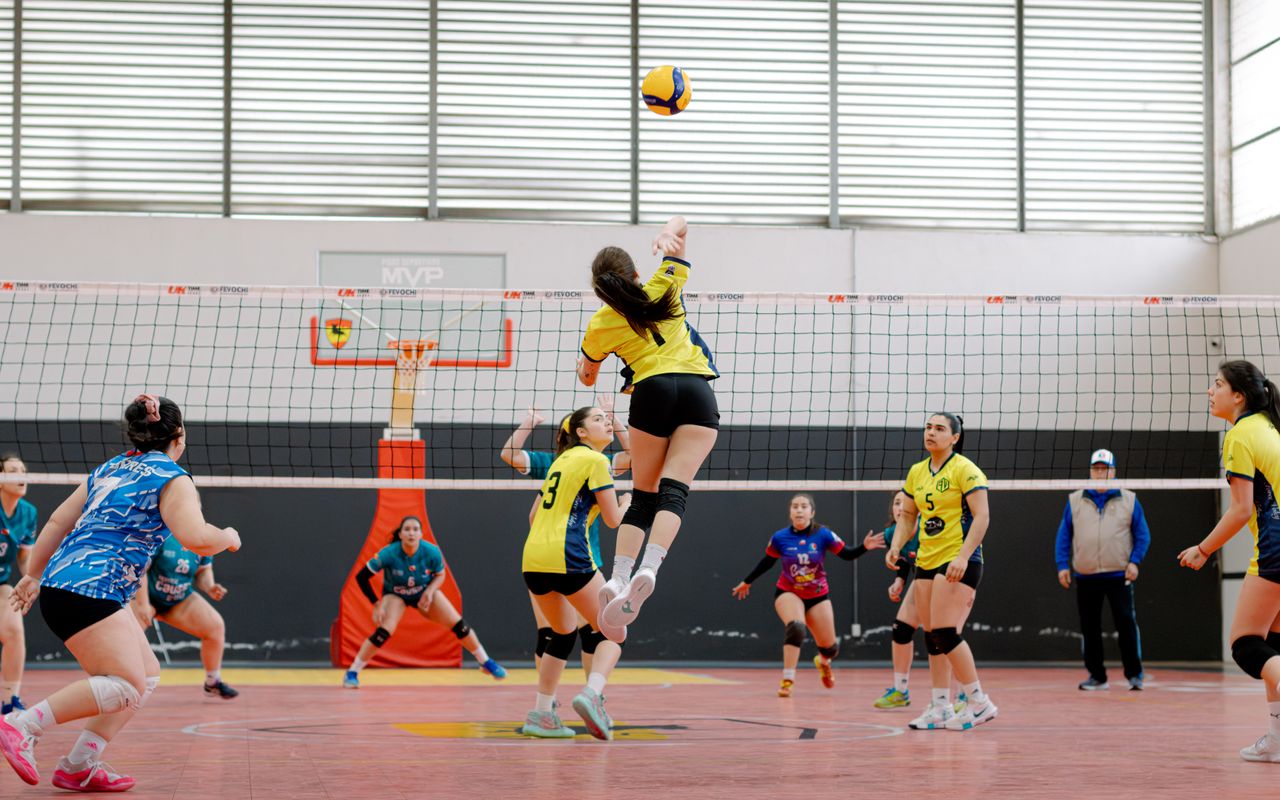
The indoor side of Miami volleyball is driven heavily by youth development. Club volleyball gives serious players the structure they need to move beyond school competition. In a large metro area, the level can vary widely from program to program, but the overall ecosystem gives athletes access to coaching, training, tournament schedules, and college recruiting exposure.
For girls volleyball especially, the club pathway is central. Players looking to compete at the next level need more than a school season. They need technical development in serve receive, attacking range, blocking footwork, defensive discipline, and transition play. Miami’s club scene gives players a way to build those skills while competing against teams from across Florida and beyond.
Boys volleyball also has room to grow in Miami. South Florida’s athletic base is strong, and the sport has natural appeal in communities with international volleyball roots. Continued growth in boys indoor volleyball would add another layer to Miami’s identity, especially if more school and club opportunities develop over time.
The University of Miami and the College Standard
The University of Miami gives the city a major college volleyball presence. The Hurricanes provide a high-level reference point for local players, especially those who want to understand the speed and physicality of NCAA volleyball. A college program in the city helps connect youth volleyball to a visible competitive standard. It shows younger athletes what elite serving pressure, blocking systems, defensive organization, and offensive tempo look like.
College volleyball also gives Miami credibility as more than a recreational or beach-first market. The Hurricanes place the city inside the national college volleyball conversation, even as the broader metro continues to build its own club and school identity. For young players in South Florida, having an ACC-level program nearby matters. It makes high-level volleyball feel closer and more tangible.
Beach Volleyball’s Influence on the City
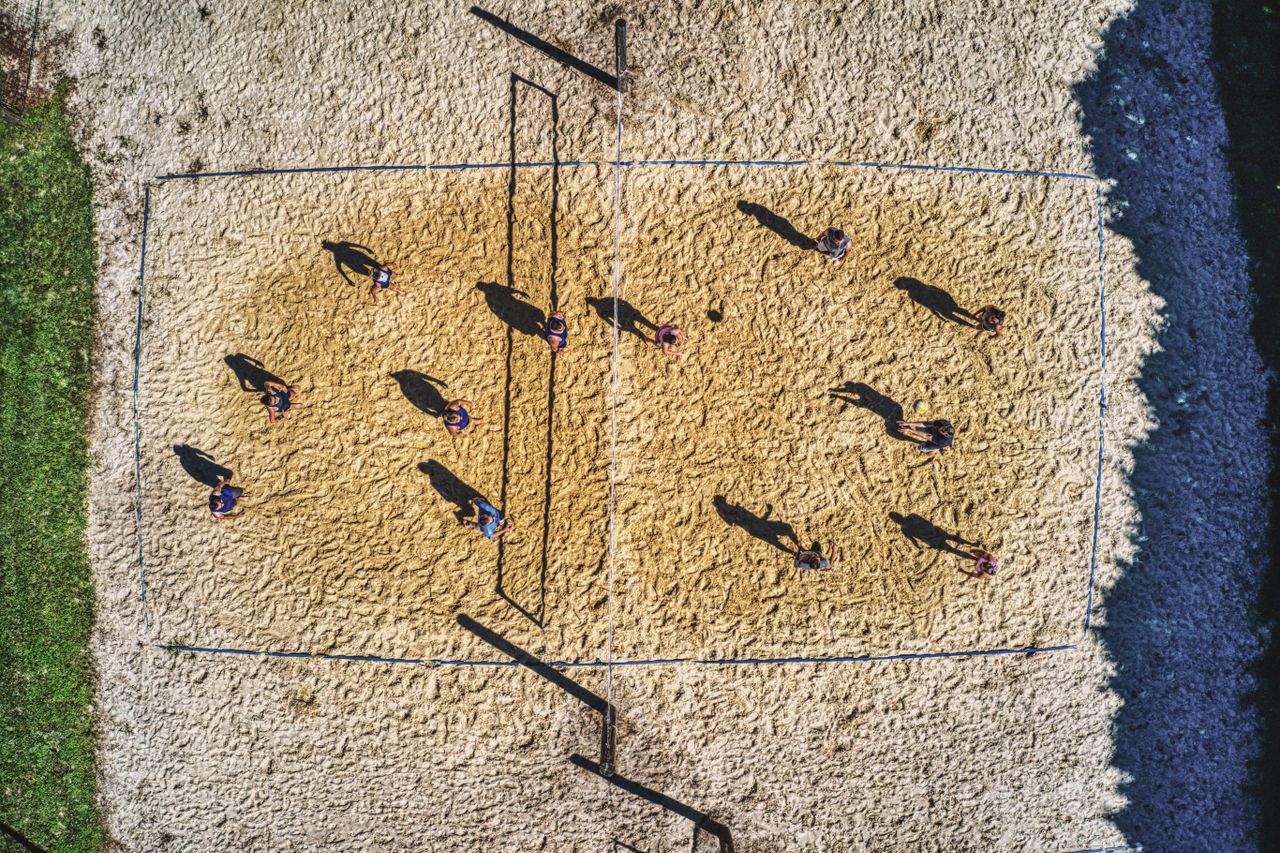
Miami’s beach volleyball identity is broader than Miami Beach but less concentrated. The city and surrounding areas have sand courts, beach communities, outdoor players, and a steady appetite for casual and competitive play. Beach volleyball fits the city’s climate and lifestyle, but it also functions as a serious development tool.
The beach game strips volleyball down to its essentials. Players have to pass, set, hit, block, defend, and communicate with only one partner. That makes it valuable for indoor athletes who want to become more complete. In Miami, the crossover between indoor and beach is one of the city’s strongest assets. The best volleyball markets in warm-weather regions often produce athletes who are comfortable in both settings, and Miami has the conditions to support that kind of player.
The Direction of Miami Volleyball
Miami volleyball’s future is tied to organization. The city already has climate, population, athletic talent, international influence, and beach access. The next step is continued growth in coaching quality, youth structure, boys participation, tournament visibility, and pathways from local development into college or higher-level competition.
Miami is not defined by one version of the sport. It is a hybrid scene with indoor ambition and beach energy. That makes it different from Miami Beach, which has a clearer sand-first identity. Miami’s volleyball story is larger, more urban, and more developmental. Its strength is the range of ways people enter and stay in the sport.
As volleyball continues to grow nationally, Miami has the tools to become an even more important Southeast market. The city has the athletes, the weather, the cultural connections, and the competitive foundation. Its volleyball identity is still expanding, but the ingredients are already in place.