Palau’s volleyball identity is tied to island sport, community competition, and the wider Pacific Games environment. It is not a large volleyball nation, and it does not have the player pool or professional infrastructure of major indoor volleyball countries. Its volleyball scene is better understood through participation, schools, national representation, regional competition, beach volleyball, and the role of sport in connecting Palau with the broader Pacific.
Volleyball fits naturally in Palau because it works across different levels of infrastructure. It can be played indoors, outdoors, in schools, in community settings, and on sand. For a small island country, that flexibility matters. A full professional sports system is not required for volleyball to become meaningful. A gym, a court, a net, committed coaches, and regional competition can create a real volleyball culture. In Palau, the sport’s identity is closely linked to that kind of adaptable community base.
The Pacific and Micronesian context is central. Palau’s volleyball teams do not measure themselves against the same competitive calendar as Brazil, Poland, Japan, or the United States. Regional events matter more. Competitions involving Pacific Island nations give Palauan athletes a realistic and meaningful stage, where national pride, multi-sport events, and island rivalries shape the atmosphere. The 2025 Pacific Mini Games in Palau included both indoor volleyball and beach volleyball, placing the sport inside one of the country’s most important regional sporting moments.
Indoor volleyball gives Palau its team-sport structure. In a small-country setting, indoor volleyball development depends on schools, national sports bodies, volunteer coaches, and athletes who often play more than one sport. The technical demands are still serious. Setters need touch and decision-making. Passers must handle serve receive. Middles need timing and footwork. Outside hitters often carry heavy responsibility because depth can be limited, and the best all-around athletes may be asked to score, defend, and stabilize the first contact.
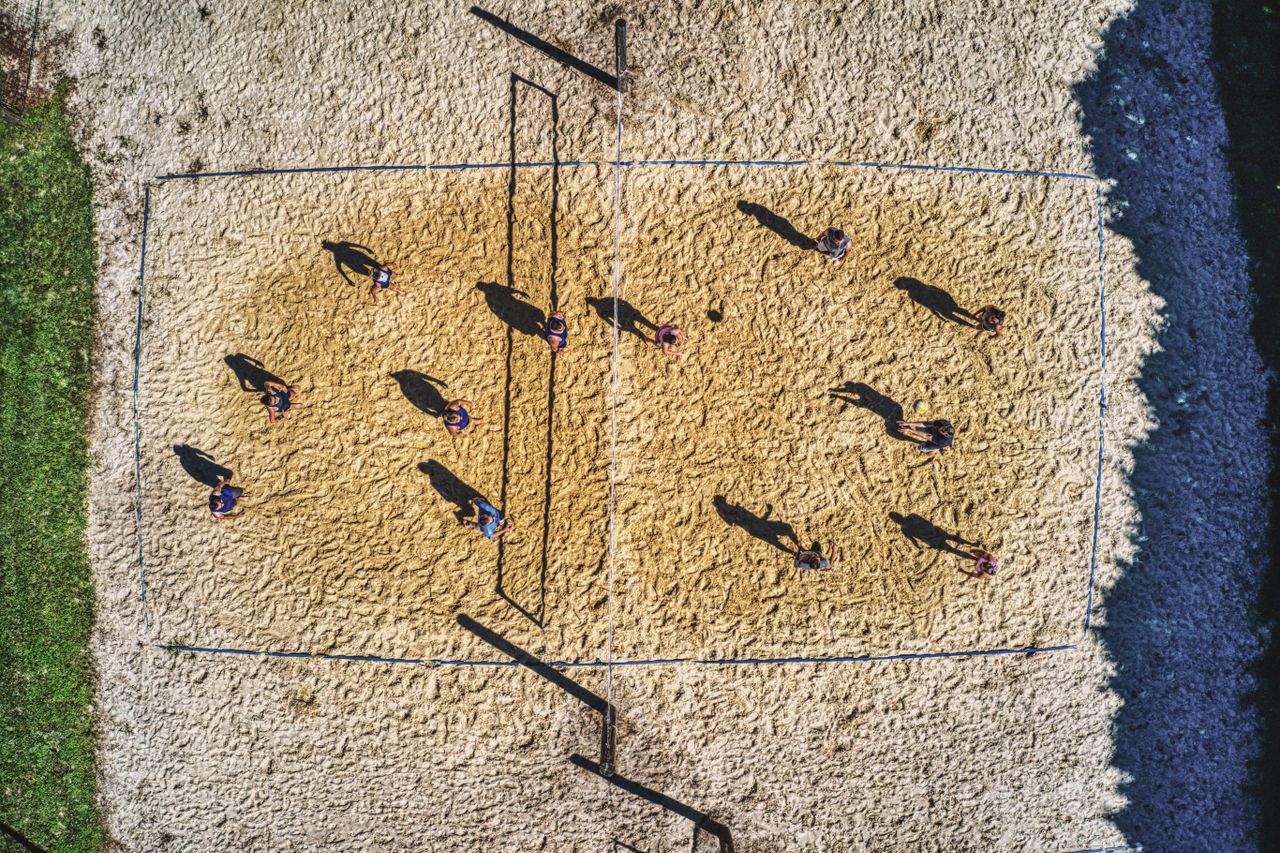
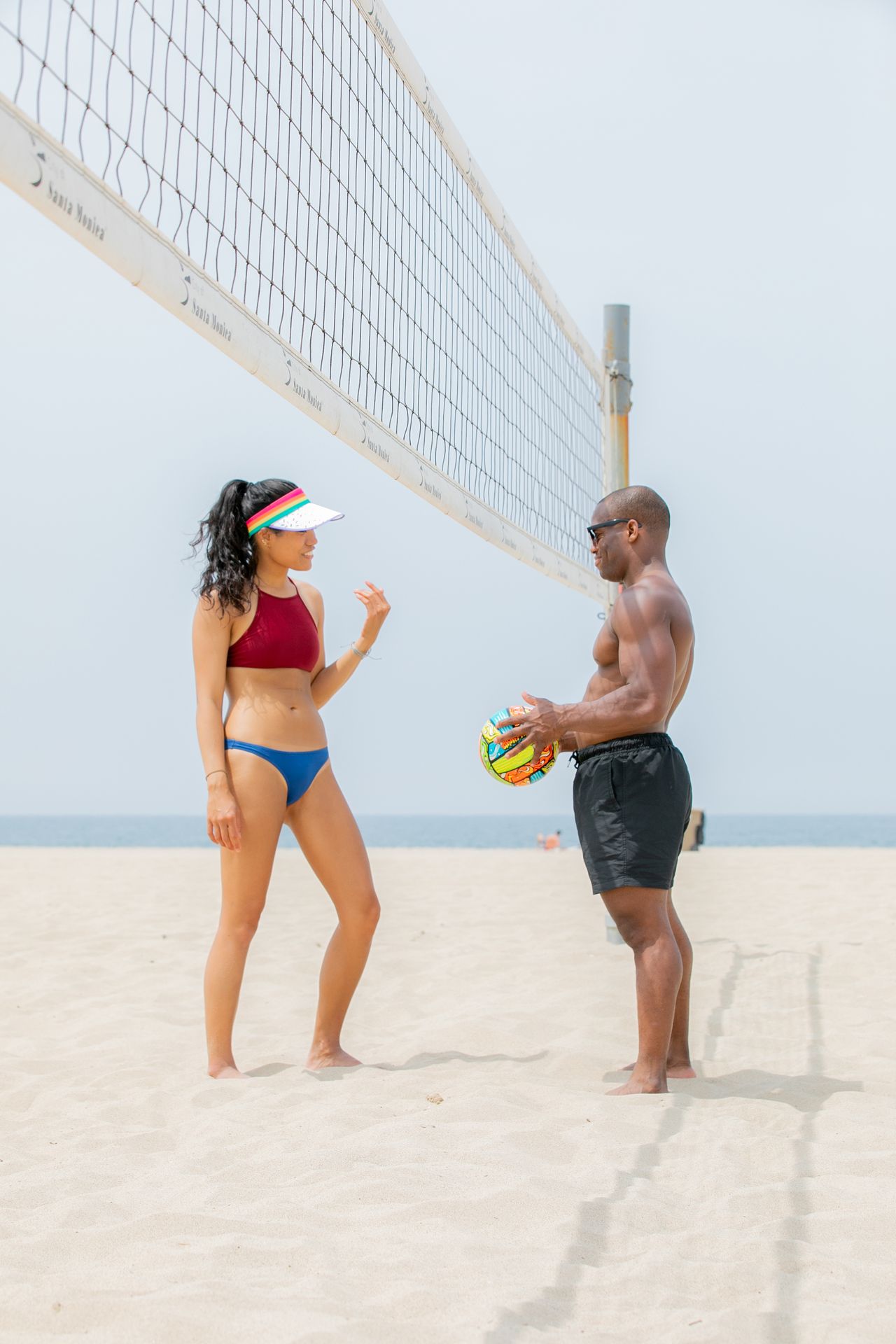
Beach volleyball may be Palau’s most natural international volleyball expression. The country’s island geography, climate, and sand-court potential align well with the two-player game. Beach volleyball also has a practical advantage for small nations: it requires fewer elite athletes to field a competitive unit. A country that cannot easily build a deep twelve-player indoor roster may still develop a strong beach pair if it can produce two technically complete athletes with conditioning, communication, ball control, and tactical discipline. Palau’s hosting of beach volleyball during the Pacific Mini Games underscores how well the sport fits the island setting; official venue materials placed beach volleyball at Ngermalk Park/Long Island Park and indoor volleyball at Palau High School’s Spiders’ Gym.
The player pathway in Palau is likely to remain community-centered. Schools are important because they introduce young athletes to the sport and give them repeated touches early. Local tournaments and national training opportunities then help identify players who can represent Palau in regional competition. The challenge is scale. Small countries must work harder to create enough high-level matches for players to improve. Volleyball development depends not only on practice but also on pressure: close sets, strong servers, disciplined blockers, and opponents who punish weak first contact.
Palau’s future in volleyball will probably be strongest where indoor and beach volleyball support each other. Indoor volleyball builds team systems, blocking discipline, and rotation awareness. Beach volleyball builds all-around skill, communication, conditioning, and comfort playing in exposed conditions. Together, they give Palauan athletes more ways to develop.
Palau is not a global volleyball power, but that is not the right standard for understanding the sport there. Its volleyball identity is regional, island-based, and participation-driven, with beach volleyball offering a particularly natural fit. The sport’s long-term value in Palau is in national representation, youth development, Pacific competition, and the steady growth of a volleyball community that can compete seriously within its own regional context.