Volleyball in Andorra has the profile of a small-country sport shaped by geography, population size, and access to indoor facilities. Andorra is not a major volleyball nation, and it does not have the player pool or professional structure of larger European countries. Its volleyball identity is closer to a school, club, and recreational indoor scene than an elite international system. That does not make the sport irrelevant. It simply means Andorran volleyball should be judged by a different standard.
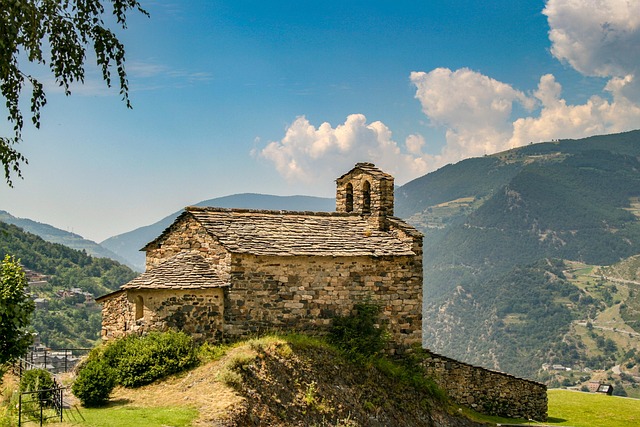
In a microstate located in the Pyrenees, sport often depends on community organization and multi-use facilities. Volleyball fits that environment well. It can be played indoors during long mountain winters, taught through schools, and organized through clubs or recreational groups without requiring large stadiums or expensive infrastructure. The sport’s accessibility makes it a useful part of Andorra’s broader athletic landscape.
Indoor Volleyball as the Natural Core
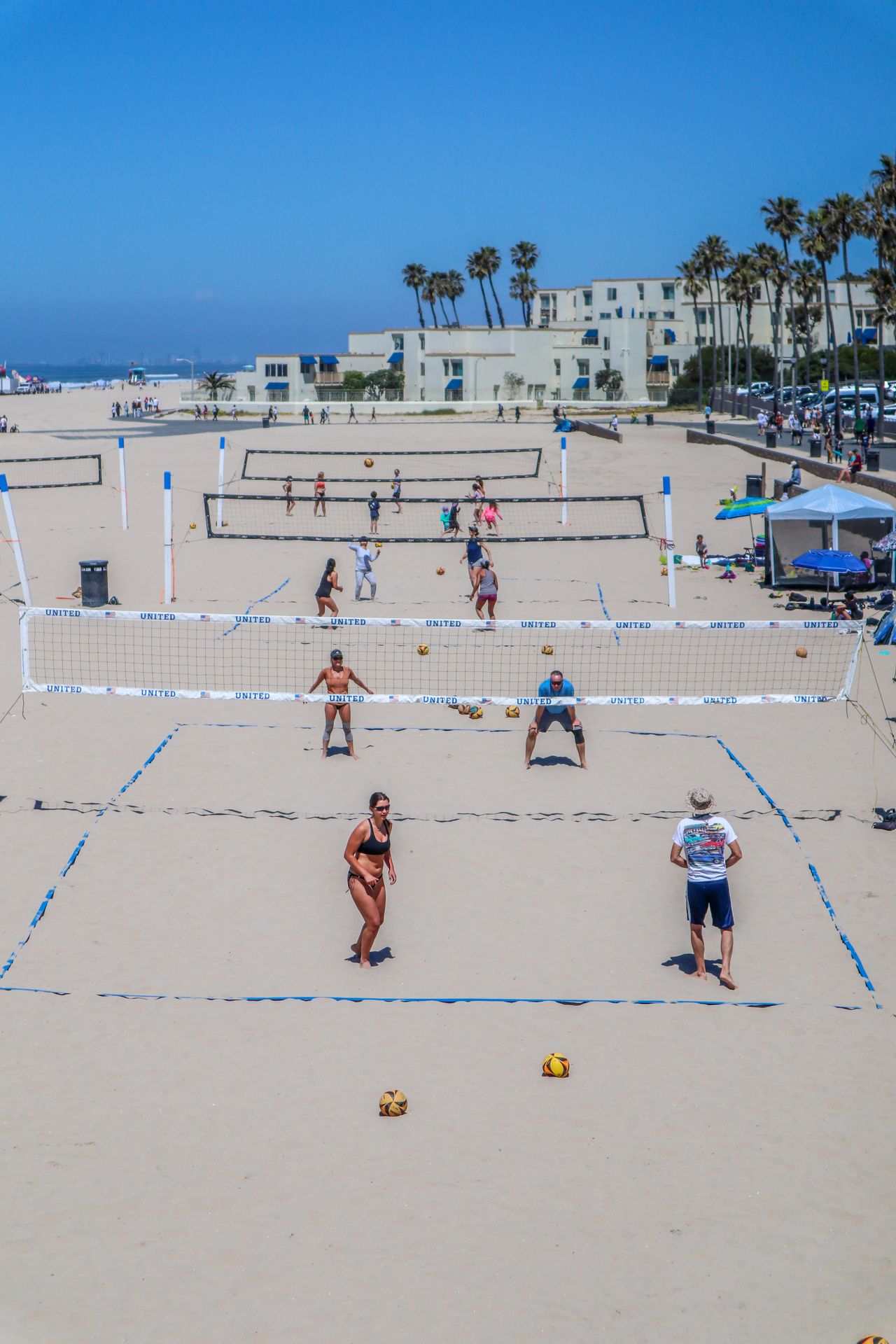
Andorra’s volleyball culture is primarily indoor. Beach volleyball is not central to the national identity, and outdoor volleyball is more likely to appear as recreation than as a defining competitive pathway. The indoor game makes more sense. Gym space, school facilities, and community sports centers allow players to train in a controlled environment, and indoor volleyball fits naturally alongside other court sports.
The challenge for Andorra is scale. Competitive volleyball depends on depth: enough setters, liberos, middles, opposites, and outside hitters to create balanced teams across age groups. In a small country, the player pool is naturally limited. That affects everything from youth leagues to senior competition. A single strong age group can produce a good team, but sustaining that level year after year is harder.
Andorra’s location also shapes its volleyball reality. The country sits between Spain and France, two larger sporting systems with far more clubs, athletes, and competitive opportunities. That proximity can be useful. Andorran players and teams can look toward Catalonia, southern France, and broader Iberian competition for influence, training ideas, and stronger opposition. For small volleyball nations, cross-border context is often essential.
Development, Schools, and Community Competition
The most important volleyball pathway in Andorra is likely school-to-club development. Schools introduce the sport and give young athletes a chance to learn the basics: serving, passing, setting, attacking, blocking, and defensive positioning. Clubs or organized community programs then provide the next step for players who want more serious competition.
Because Andorra has a smaller talent base, coaching quality matters even more. A well-coached small program can produce disciplined players who understand rotations, communicate well, and compete above what the country’s size might suggest. In smaller volleyball environments, fundamentals are the equalizer. Clean serve receive, controlled first contacts, smart setting decisions, and organized floor defense can keep teams competitive even without overwhelming height or power.
Adult recreational volleyball also matters. In countries with limited professional pathways, adult participation helps keep the sport visible. Recreational leagues and community matches create continuity after school years end. They also help preserve a volleyball culture where former players, coaches, parents, and younger athletes remain connected.
Andorra’s Place in European Volleyball
Andorra’s volleyball future is not about becoming a European powerhouse. The continent’s leading volleyball nations have deeper leagues, larger populations, and decades of elite competition. Andorra’s more realistic goal is to maintain a healthy national volleyball culture, give young players organized opportunities, and participate credibly in small-state and regional competition.
That small-state context is important. For Andorra, success may look like stronger youth teams, better coaching, more consistent club activity, and competitive appearances against countries of similar size. Volleyball can occupy a meaningful place in Andorran sport without needing the scale of football, skiing, basketball, or the major European volleyball systems.
The country’s best volleyball identity is clear: compact, indoor-first, community-based, and development-oriented. Its ceiling depends on how well schools, clubs, and sports organizers work together. In Andorra, volleyball is not defined by mass participation or professional spectacle. It is defined by whether a small sporting community can build organized, technically sound teams and keep the game active across generations.