Iowa’s volleyball identity is rooted in school gyms, college programs, disciplined player development, and a statewide sports culture that respects athletes who build their games through repetition, timing, and competitive toughness. It is not a beach volleyball state in the way coastal markets are, and it is not usually discussed as a national volleyball capital in the same breath as California, Texas, Nebraska, or Florida. Iowa’s place in volleyball is quieter, but it is also sturdy: high school programs, junior clubs, regional tournaments, college campuses, and community-based competition all help create a volleyball environment that rewards structure and steady growth.
The sport fits naturally into Iowa’s athletic landscape. Volleyball thrives in places where school sports matter, where communities follow local teams closely, and where athletes are accustomed to multi-sport development. Iowa checks all of those boxes. The state’s volleyball culture is shaped by fall nights in high school gyms, strong small-town participation, club training in the larger population centers, and college programs that give players a visible next level to chase. It is a system built less on flash and more on consistency.
Iowa’s School-Gym Volleyball Culture
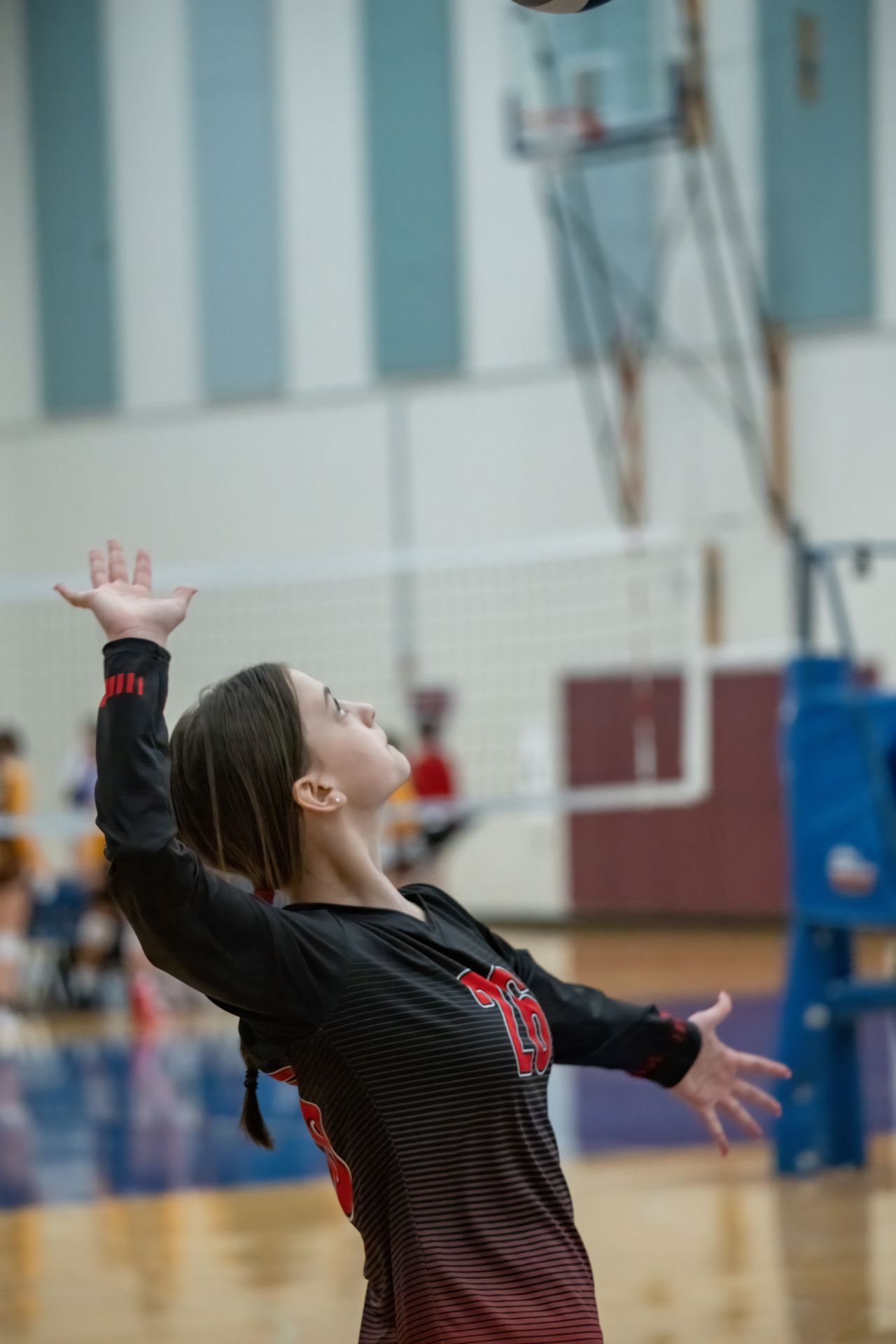
High school volleyball is the backbone of Iowa’s volleyball scene. Across the state, the sport is woven into the rhythm of the school year, particularly in smaller communities where a strong volleyball team can become a major point of local pride. The high school game gives Iowa volleyball much of its identity: organized, fundamentally sound, competitive, and tied closely to community support.
Because Iowa has many smaller towns and mid-sized school districts, volleyball often becomes one of the central girls’ sports in the local athletic calendar. Players develop in environments where they may also compete in basketball, track, softball, or soccer, giving them a broad athletic base before they specialize more seriously in volleyball. That multi-sport background can produce well-rounded athletes: outside hitters with basketball footwork, liberos with softball reaction skills, and middle blockers who understand timing from multiple sports.
The state tournament structure also gives Iowa volleyball a clear competitive ladder. Teams build through regular-season conference matches, rivalry nights, regional competition, and postseason runs that can define a school year. For many communities, a deep volleyball postseason run carries the same emotional weight as success in basketball, wrestling, or football. That matters because volleyball is not just being played; it is being watched, discussed, and remembered locally.
The College Layer
Iowa’s college volleyball scene gives the state another important layer. The University of Iowa represents the state at the Big Ten level, competing in one of the strongest volleyball conferences in the country. Even when the Hawkeyes are working through rebuilding cycles, the program’s presence matters because it connects Iowa players and fans to the highest level of NCAA volleyball. Competing in the Big Ten means facing elite programs with size, tempo, depth, and national recruiting reach, which gives Iowa volleyball a direct window into the sport’s top collegiate standard.
Iowa State has also played an important role in shaping the state’s volleyball profile. The Cyclones have built stretches of national relevance, bringing NCAA tournament-level volleyball to Ames and giving the state a program with a distinct competitive identity. Iowa State volleyball has often been associated with defensive commitment, strong ball control, and the ability to compete in a demanding conference environment. For young players in the state, that kind of program provides a visible example of how Iowa athletes can fit into high-level college volleyball.
Northern Iowa adds another important piece. UNI has long been one of the state’s most respected volleyball programs, particularly because of its ability to compete strongly outside the Power Five spotlight. Programs like UNI matter because they show that high-level volleyball is not limited to the largest athletic departments. A well-coached mid-major program can become a serious competitive force through development, continuity, and recruiting fit.
Drake, Iowa’s smaller colleges, NAIA programs, Division II and Division III schools, and community colleges also contribute to the ecosystem. They create opportunities for players who may not fit the Big Ten or Big 12 profile but still have the skill, competitiveness, and desire to play beyond high school. That breadth is important in a state like Iowa, where the volleyball pathway is not only about elite national recruits. It is also about finding the right college level for athletes who have grown through school and club volleyball.
Club Volleyball and the Development Pipeline
Club volleyball has become increasingly important in Iowa, particularly around Des Moines, Cedar Rapids, Iowa City, Ames, Sioux City, Council Bluffs, and the Quad Cities. These markets give players access to more year-round training, tournament travel, position-specific coaching, and exposure beyond the high school season.
The club scene helps close the gap between Iowa and larger volleyball states. In a state without the massive population density of Texas or Southern California, club volleyball gives serious players a way to sharpen their technical skills and compete against stronger regional opponents. Setters learn tempo and decision-making. Liberos develop serve receive discipline and defensive range. Middles refine blocking footwork and transition attacking. Pin hitters get more swings against organized blocks and more pressure in out-of-system situations.
Iowa’s geography also shapes the club experience. Players may travel within the state or into surrounding volleyball markets such as Nebraska, Minnesota, Illinois, Missouri, Wisconsin, and Kansas. That regional exposure is valuable because it places Iowa athletes in a broader Midwestern volleyball environment where the level is often demanding and the style of play is physical.
The best Iowa players often emerge from a combination of high school leadership and club-level refinement. A player may become a local standout in the fall, then use the club season to expand her range against stronger competition. That dual track is central to how volleyball talent is formed in the state.
A Midwestern Volleyball Style
Iowa volleyball often carries a Midwestern competitive personality. The game is typically built around fundamentals, defensive effort, and a willingness to extend rallies. The state’s strongest teams tend to value serve receive, disciplined floor defense, smart setting choices, and hitters who can score without relying only on overwhelming athleticism.
That does not mean Iowa lacks power. Strong outside hitters, physical middles, and aggressive servers come through the state regularly. But the broader volleyball culture tends to reward complete players. Coaches often want athletes who understand rotations, stay reliable under pressure, make responsible choices in transition, and can handle the mental grind of long matches.
This makes Iowa a good environment for liberos, defensive specialists, setters, and high-IQ attackers. Players who read the game well can thrive. A technically sound setter who knows how to manage tempo, isolate blockers, and keep hitters in rhythm can become the center of a successful Iowa team. A libero with strong platform control and communication can change the level of an entire program. Iowa volleyball often appreciates those details because the sport is taught through school and club systems where execution matters.
Beach and Outdoor Volleyball in Iowa
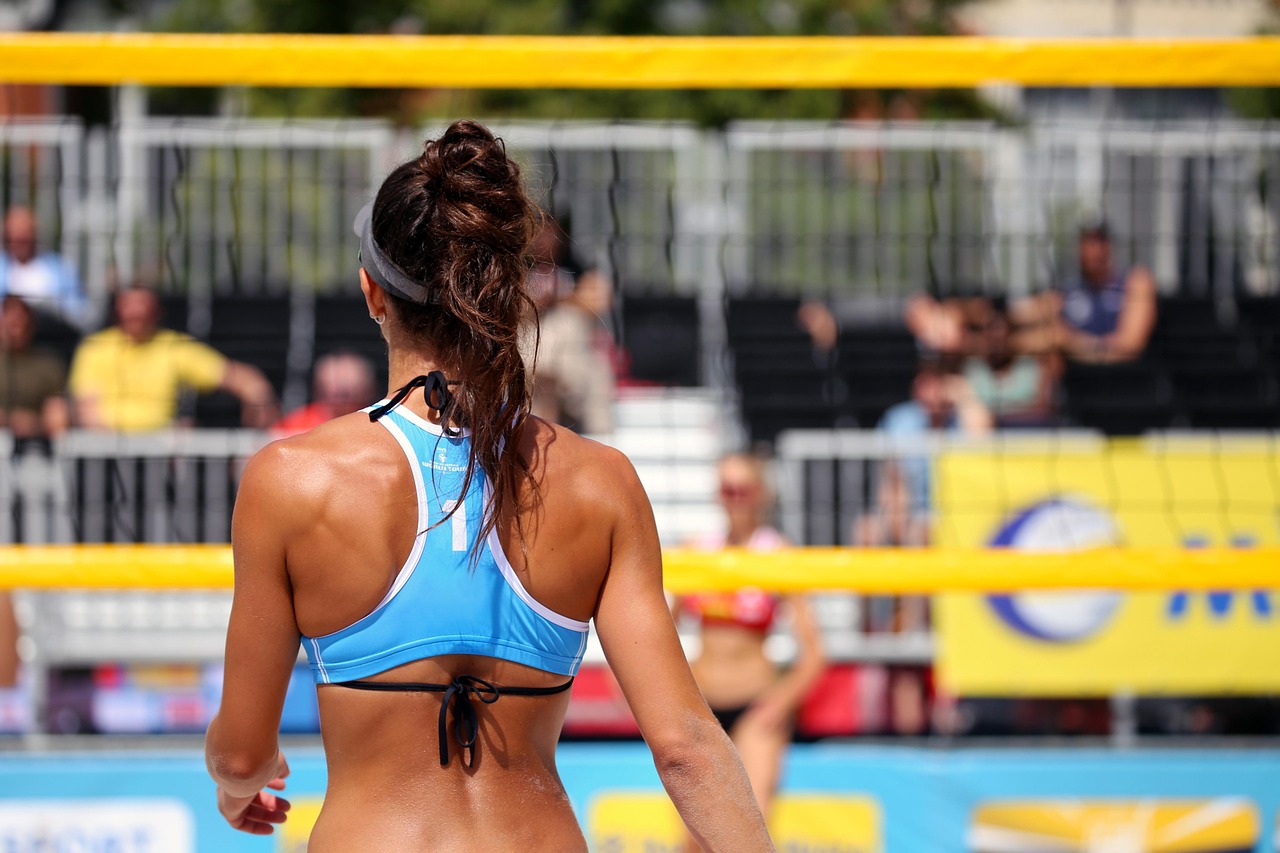
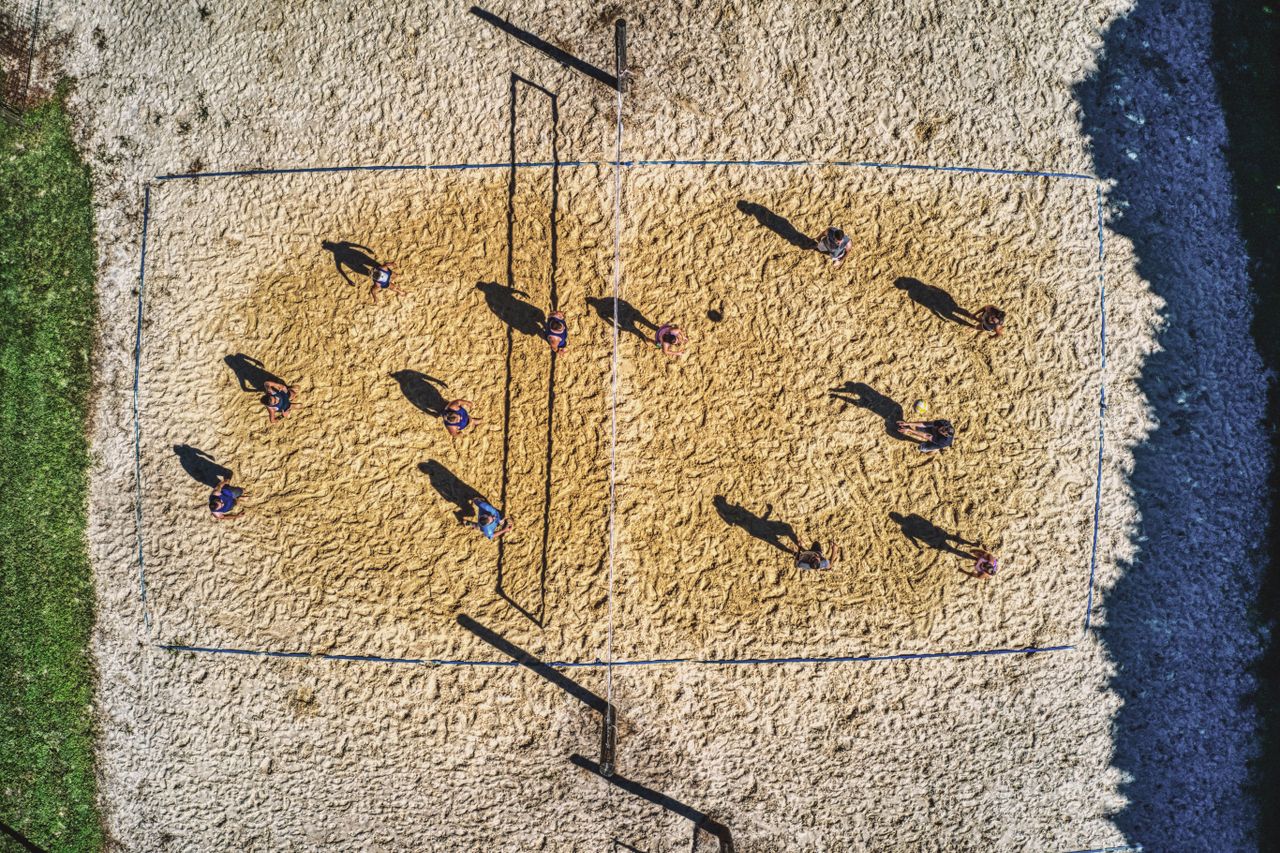
Beach volleyball is not central to Iowa’s statewide volleyball identity, but outdoor volleyball still has a place. In the warmer months, grass tournaments, park volleyball, sand courts, and recreational leagues create a different kind of participation culture. For an indoor-first state, outdoor volleyball works less as a primary elite pathway and more as a seasonal extension of the sport.
That summer volleyball culture matters because it keeps players connected to the game outside the school calendar. Grass and sand formats improve ball control, reading, communication, and all-around skill. Players who spend time outdoors often become more adaptable indoors because they are forced to pass, set, attack, and defend in less controlled conditions.
In Iowa, outdoor volleyball is especially tied to community recreation, summer events, and adult participation. It may not define the state competitively, but it strengthens the base of the sport and gives volleyball a wider social presence beyond formal school and club competition.
Where Iowa Volleyball Is Heading
The future of Iowa volleyball is tied to continued growth in club training, stronger college visibility, and the durability of high school participation. The state already has the foundation: school pride, competitive athletes, respected college programs, and regional access to strong Midwestern volleyball competition. The next step is raising the overall ceiling for player development and making sure more athletes have access to advanced coaching before they reach the college recruiting window.
Iowa is unlikely to become a beach volleyball brand or a massive national recruiting factory overnight. Its volleyball identity is more grounded than that. The state’s strength is in its depth of participation, its school-based culture, and its ability to produce athletes who understand the game. Iowa volleyball is built in gyms where players learn to serve tough, pass cleanly, communicate, cover hitters, and compete through long rallies.
That kind of volleyball may not always attract the loudest national attention, but it creates a serious and sustainable sports culture. Iowa’s volleyball story is one of steady development, regional competitiveness, and a deep connection between schools, colleges, clubs, and communities. It is a state where the game keeps growing because the structure around it keeps producing players who know how to compete.