Volleyball in the Marshall Islands belongs to the wider Pacific sports ecosystem, where island geography, school competition, community courts, and regional multi-sport events shape the way the game grows. The country is not a major international volleyball power, but it has the raw ingredients common to many Pacific volleyball cultures: athleticism, outdoor play, beach access, and a regional calendar that gives smaller nations a real competitive target.
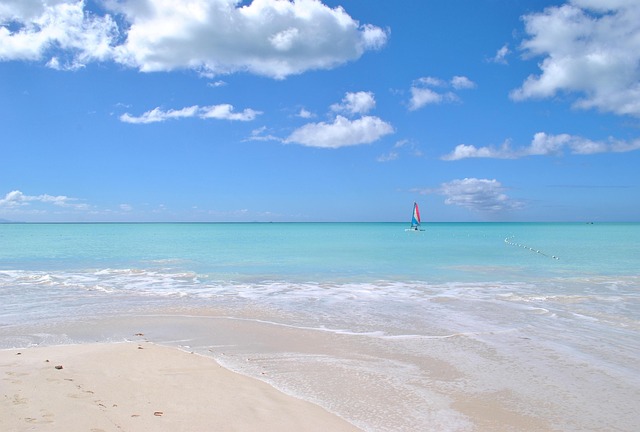
The Marshall Islands’ volleyball identity is best understood as an emerging Pacific scene with beach volleyball potential. Indoor volleyball gives structure, especially through schools and organized teams, but the sand game has natural relevance in a nation made up of atolls and islands. In the Pacific, beach volleyball is not merely a recreational add-on. It is a medal sport, a development pathway, and one of the clearest ways for smaller island nations to compete internationally with limited squad sizes.
A Pacific Volleyball Pathway
The Pacific Games and Pacific Mini Games are central to volleyball development across Oceania. For countries such as the Marshall Islands, these events provide something the domestic scene cannot always supply: consistent international opponents, tournament pressure, and a benchmark against neighbors such as Guam, Palau, Northern Mariana Islands, Nauru, Tuvalu, Solomon Islands, Fiji, Samoa, and others.
The 2025 Pacific Mini Games in Palau included both indoor volleyball and beach volleyball, with FIVB noting that the event brought together more than 1,500 athletes from 24 nations across 14 sports. Marshall Islands beach volleyball appeared on the competition schedule, including men’s pool play matches against Nauru and other regional opponents. That participation matters because Pacific volleyball development often happens through repeated regional exposure rather than through a large domestic league.
In a country with a small population base, volleyball’s competitive pathway has to be efficient. A beach pair needs fewer athletes than an indoor roster, but it demands a high level of all-around skill. Every player must pass, set, attack, serve, block, defend, communicate, and handle wind or heat. That makes beach volleyball a particularly logical discipline for the Marshall Islands if the country can sustain coaching and tournament opportunities.
Indoor Volleyball and Community Development
Indoor volleyball in the Marshall Islands is likely to grow through schools, community programs, and national sports structures rather than through a professional league model. That is typical for smaller Pacific nations. The game’s value is not only in elite outcomes; it gives young athletes a team sport built around timing, coordination, quick reactions, and tactical discipline.
The indoor game also supports beach volleyball. Athletes who learn serve receive, floor defense, setting hands, approach footwork, and blocking indoors can transfer much of that skill to the sand. The major difference is that beach volleyball exposes weaknesses faster. There is no libero to stabilize passing and no full front row to hide a smaller blocker. For Marshallese players, that can be a strength if training emphasizes versatility early.
Beach Volleyball as the Natural Opportunity
The country’s geography makes beach volleyball the clearest long-term identity. Pacific beach volleyball has become increasingly competitive, with the 2023 Pacific Games podiums including countries such as Australia, Solomon Islands, Vanuatu, Tuvalu, and Northern Mariana Islands. That regional field is difficult, but it also gives the Marshall Islands a visible ladder. The goal is not to jump immediately to global medals. The first step is becoming harder to beat in Pacific pool play, then developing pairs that can challenge mid-tier regional opponents.
Beach volleyball also fits the realities of small-island sport. Facilities can be simpler than full indoor halls, training groups can be smaller, and national programs can concentrate resources on a limited number of pairs. The challenge is consistency: athletes need enough competitive matches to learn shot selection, defensive positioning, serving strategy, and late-set pressure.
The Future of Volleyball in the Marshall Islands
The Marshall Islands’ volleyball future will likely depend on how well the country connects school participation, beach training, and Pacific Games preparation. A strong program would identify athletic young players early, teach indoor fundamentals, then give the best all-around athletes regular beach-specific work.
The ceiling is regional before it is global. That is still meaningful. In Oceania, progress can be measured through closer scorelines, more competitive pool matches, stronger beach pairs, and a national program that returns to each Pacific event better organized than the last. For the Marshall Islands, volleyball’s best path is to turn island conditions into a competitive advantage: adaptable athletes, strong outdoor instincts, and a beach game built for the Pacific stage.