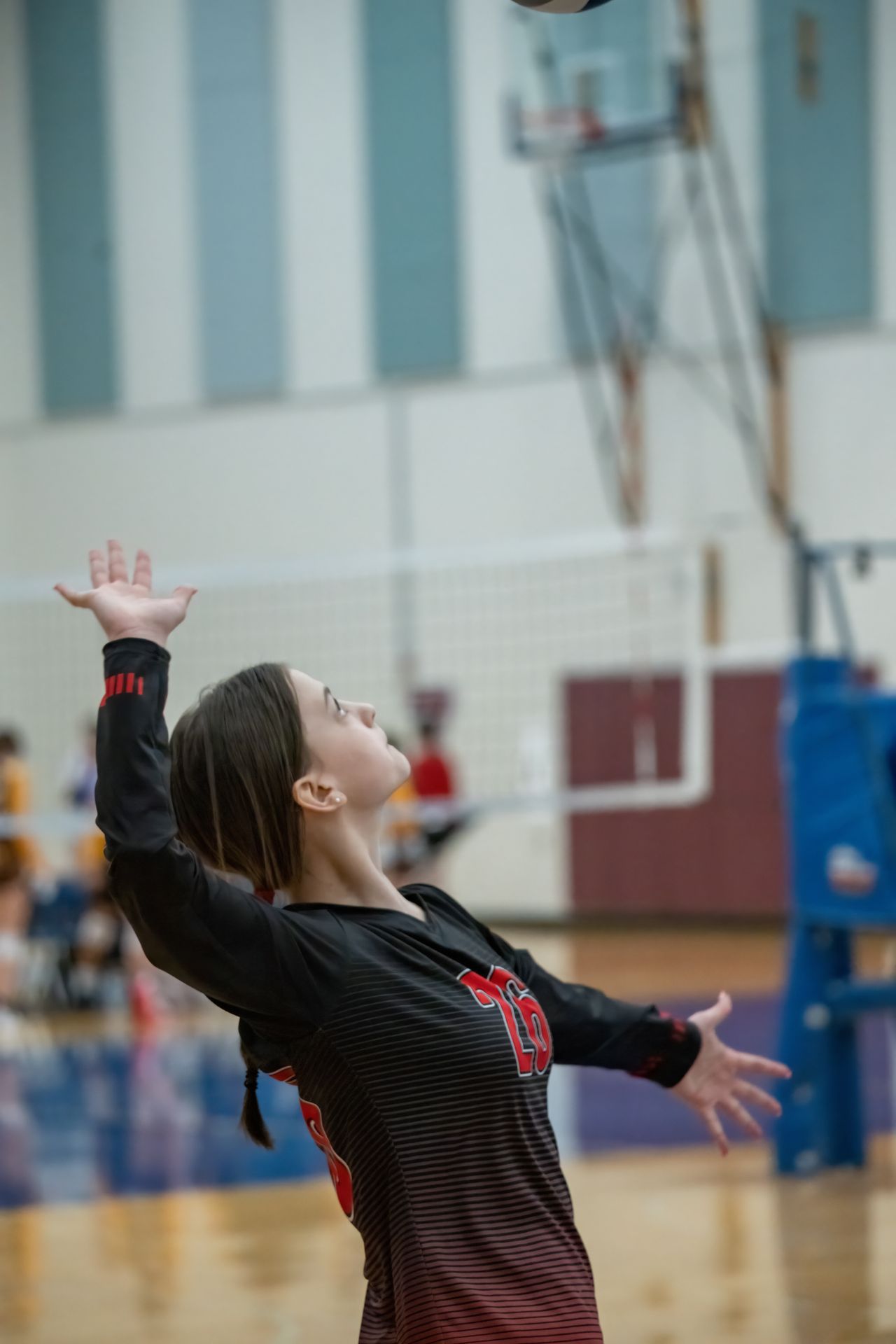
Uganda has one of East Africa’s more active volleyball scenes, built around indoor competition, university-linked clubs, national league play, and a growing regional profile through CAVB Zone V competition. The country’s volleyball identity is not based on beach volleyball or a large professional league. It is built in gyms, schools, universities, clubs, and national-team events, with Kampala serving as a major center of the sport’s competitive activity.
That gives Ugandan volleyball a clear structure. It has domestic clubs with recognizable names, national federation activity, league standings, regional club competition, and national teams that measure themselves against East African opponents. Uganda is not yet an African volleyball powerhouse on the level of the continent’s strongest programs, but it is a serious Zone V country with an active competitive environment and a growing women’s and men’s volleyball culture.
A Club and University-Driven Volleyball Scene
Ugandan volleyball is strongly connected to clubs, universities, and institutional teams. Names such as KCB Nkumba, Ndejje, Sport-S, Nemostars, KAVC, KCCA, Vision Volleyball Camp, and UCU help give the domestic game its shape. These clubs are important because they provide the weekly and seasonal competition that national-team development depends on.
In countries where volleyball is still growing, clubs do more than compete for trophies. They train setters, stabilize liberos, sharpen attackers, and create the habits that matter in international play. A national team cannot suddenly become organized in a regional qualifier if its players do not already understand serve receive, block coverage, defensive spacing, and transition offense at club level.
Uganda’s women’s volleyball scene has been especially visible through clubs and university-linked programs. KCB Nkumba’s record as a national-level women’s team shows how institutional support can help build sustained success. When a club has continuity, sponsorship, coaching, and a competitive roster, it raises the standard for everyone around it.
Regional Competition and Zone V Pressure
Uganda’s volleyball reputation is closely tied to CAVB Zone V, the East African regional volleyball environment that includes neighbors such as Kenya, Rwanda, Tanzania, Burundi, and others. This is the level where Uganda can measure progress most clearly. Regional matches are intense because the opponents are familiar, the margins are narrow, and qualification opportunities often run through direct rivals.
The Lugogo Indoor Arena in Kampala has become an important setting for Ugandan volleyball because it gives the country a recognizable home stage for major indoor events. Hosting regional qualifiers and club competitions matters. It gives local players experience in pressure matches, creates visibility for the sport, and lets fans see Ugandan teams against strong regional opposition.
Uganda’s national teams, including the Lady Volleyball Cranes, have shown that the country can compete seriously in Zone V settings. The women’s program has been a major part of the national volleyball story, and continued investment in girls’ and women’s volleyball could be one of the country’s strongest growth areas.
The Style and Demands of Ugandan Volleyball
Ugandan indoor volleyball is at its best when it combines athleticism with structure. East African volleyball often features physical attackers, energetic defending, and emotional momentum swings. For Uganda to keep climbing, the technical details matter: first contact, setter tempo, middle-blocker timing, serving zones, and the ability to close sets without giving away points.
The country’s top clubs help build that standard. Domestic matches between strong teams force players to manage pressure before they reach national-team duty. A five-set club match, a regional bronze-medal contest, or a national league playoff can teach athletes how to reset after losing a set, defend against a hot outside hitter, or side out with the match on the line.
That is why Uganda’s volleyball infrastructure matters. The sport needs not only talented athletes, but also trained coaches, reliable facilities, youth competitions, and a league calendar that gives players meaningful repetition. Volleyball development is cumulative. The best programs are built through thousands of controlled contacts, not occasional tournaments.
Where Ugandan Volleyball Goes Next
Uganda’s volleyball future depends on converting activity into depth. The country already has clubs, recognizable competition, national-team visibility, and a regional framework. The next step is widening the pipeline so that more young players enter the sport earlier and receive better coaching before reaching senior club level.
Men’s volleyball can continue to grow through stronger domestic competition and more regional exposure. Women’s volleyball has a particularly strong opportunity because clubs, schools, and universities can create a visible pathway for female athletes. If Uganda continues to improve coaching, facilities, youth development, and match organization, it can become a more consistent East African volleyball force.
Uganda’s volleyball identity is not casual or undefined. It is an indoor, club-driven, regionally ambitious scene with enough structure to matter. The country’s next leap will come when domestic competition, national-team preparation, and youth development all pull in the same direction. If that happens, Uganda can become more than a competitive Zone V participant. It can become one of the region’s volleyball standards.