Jacksonville’s volleyball identity is built around a coastal, school-driven, club-connected scene that sits between Florida’s beach culture and the more traditional indoor volleyball pathways found across the Southeast. It is not a single-lane volleyball city. The sport here moves through college gyms, junior clubs, school programs, beach courts, and adult competition, giving Jacksonville a hybrid profile that fits the city’s geography and athletic personality.
The city has the advantage of being both a major Florida metro and a beach community. That matters in volleyball because indoor and beach disciplines do not always grow evenly in the same place. In Jacksonville, they are connected without being identical. Indoor volleyball benefits from schools, colleges, and youth clubs. Beach volleyball benefits from the Atlantic coastline, the city’s outdoor culture, and the presence of NCAA beach programs at both Jacksonville University and the University of North Florida. JU sponsors NCAA Division I beach volleyball, while UNF has built a recognizable beach program in the ASUN Conference, including “The Coop,” a five-court beach volleyball complex with scoreboard and spectator seating.
That combination gives Jacksonville a more complete volleyball footprint than many cities of similar size. A cold-weather metro may have stronger indoor density but little natural beach identity. A resort town may have sand courts and casual participation but limited year-round competitive infrastructure. Jacksonville has elements of both. Its volleyball scene is shaped by school gyms during the academic year, club training cycles, college programs, beach competition, and the year-round outdoor rhythm that comes with North Florida weather.
A Coastal City With an Indoor Foundation
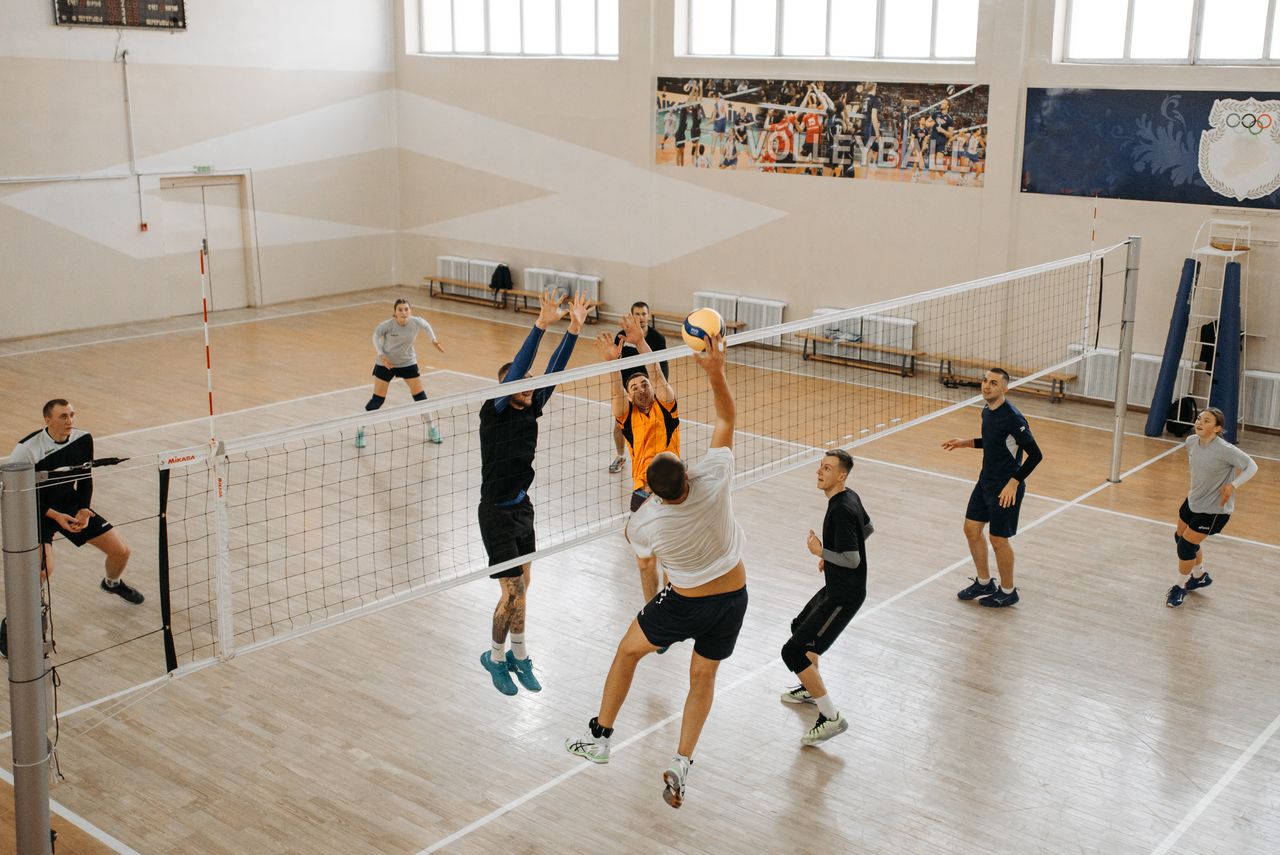
Indoor volleyball in Jacksonville starts with the school and club pipeline. Like much of Florida, the city’s volleyball development is tied to girls’ high school volleyball, junior club competition, private coaching, and college recruiting. The indoor game is where many athletes first learn the sport’s structure: serve receive, setter decision-making, middle timing, out-of-system attacking, floor defense, and rotation discipline. Those skills often become the base for athletes who later specialize in beach volleyball or continue through college pathways.
Jacksonville’s indoor volleyball reputation is not the same as the national powerhouse identity of some Midwestern or Southern California markets, but it is serious enough to matter. The city has a large enough population base to support multiple levels of play, and its location gives athletes access to Florida-wide tournament circuits. That broader state context is important. Florida volleyball does not operate city by city in isolation. Jacksonville athletes can be pulled into competition against Orlando, Tampa, Miami, Tallahassee, Gainesville, and other regional hubs, which raises the standard for players who want to move beyond recreational or school-level volleyball.
The presence of college volleyball also gives the city a visible competitive layer. Jacksonville University and the University of North Florida help anchor the sport locally. College programs create aspirational reference points for younger players, whether through matches, camps, recruiting awareness, or the simple visibility of seeing the sport played at a higher level. JU’s volleyball staff and team host camps in the Jacksonville area, which reflects the relationship between college programs and youth development in the city.
The Beach Volleyball Factor
Beach volleyball gives Jacksonville a distinct edge. The city’s volleyball identity is not limited to six-player indoor systems. Sand volleyball fits naturally into its coastal geography, and the college beach programs deepen that identity. UNF and JU create a local rivalry and a visible NCAA beach presence, which gives Jacksonville’s sand scene more structure than casual pickup volleyball alone.
Beach volleyball also changes the way players develop. The discipline forces athletes to handle the full game: serving strategy, ball control, reading hitters, emergency defense, hand-setting standards, attacking in wind, and communication with only one partner. Indoor specialists often benefit from beach training because it exposes weaknesses that can be hidden in a six-player system. For Jacksonville, that makes the beach scene more than a side attraction. It can function as a development tool for serious athletes and a long-term participation outlet for adults.
The beach game also helps Jacksonville stand out within the broader Southeast. Florida has multiple coastal volleyball pockets, but Jacksonville’s combination of beach access, Division I programs, and a large metro base gives it a recognizable place in the state’s volleyball map. It may not carry the same national beach mythology as Southern California or Hawaii, but it has the ingredients for a sustainable sand volleyball culture: weather, coastline, college competition, and enough local athletes to keep the game active.
Player Pathways and Local Development
Jacksonville’s player pathway is best understood as a ladder with several entry points. Some players begin through middle school or high school teams. Others enter through clubs, camps, or recreational programs before finding a more competitive track. Athletes with college ambitions usually need exposure beyond the local level, which means tournament travel, recruiting film, technical training, and competition against stronger regional opponents.
The city’s most important volleyball development function is not producing one type of player. It is giving athletes options. A tall middle blocker may develop through indoor club volleyball and school competition. A smaller defender may become a libero or defensive specialist indoors, then find a stronger long-term identity in beach doubles. A multisport athlete may discover volleyball later and use the city’s year-round playing environment to catch up technically.
That flexibility matters because volleyball has become increasingly specialized. Indoor players are often sorted by position earlier than in the past, especially in competitive club environments. Beach volleyball demands more all-around skill. Jacksonville’s hybrid scene allows athletes to move between those demands. The best local players are often those who can absorb both environments: the speed, structure, and position-specific discipline of indoor volleyball, and the touch, reading, and self-reliance of beach volleyball.
Competitive Culture and Local Identity
Jacksonville volleyball has a practical, developmental personality. It is not a city defined by one famous club dynasty or one national-team tradition. Its strength is the way different volleyball settings overlap. College beach programs give the sport visibility. School and club volleyball create the main training base. The coastline keeps volleyball connected to outdoor recreation. Adult and recreational play help the sport stay active beyond the school years.
That mix gives Jacksonville a broad volleyball culture rather than a narrow one. A serious junior player can find a pathway into high-level competition. A college fan can follow local programs. A beach player can stay involved year-round. A recreational adult can remain connected to the sport without needing to chase elite competition. The result is a city where volleyball is not confined to one age group or one version of the game.
The future of Jacksonville volleyball will likely depend on how well the city continues connecting its indoor and beach identities. The beach side has a natural geographic advantage and NCAA visibility. The indoor side has the school and club structure that produces volume. If those pieces keep reinforcing each other, Jacksonville can remain one of North Florida’s most complete volleyball cities, a place where athletes learn the game in gyms, sharpen it on sand, and stay connected to volleyball long after their school careers end.