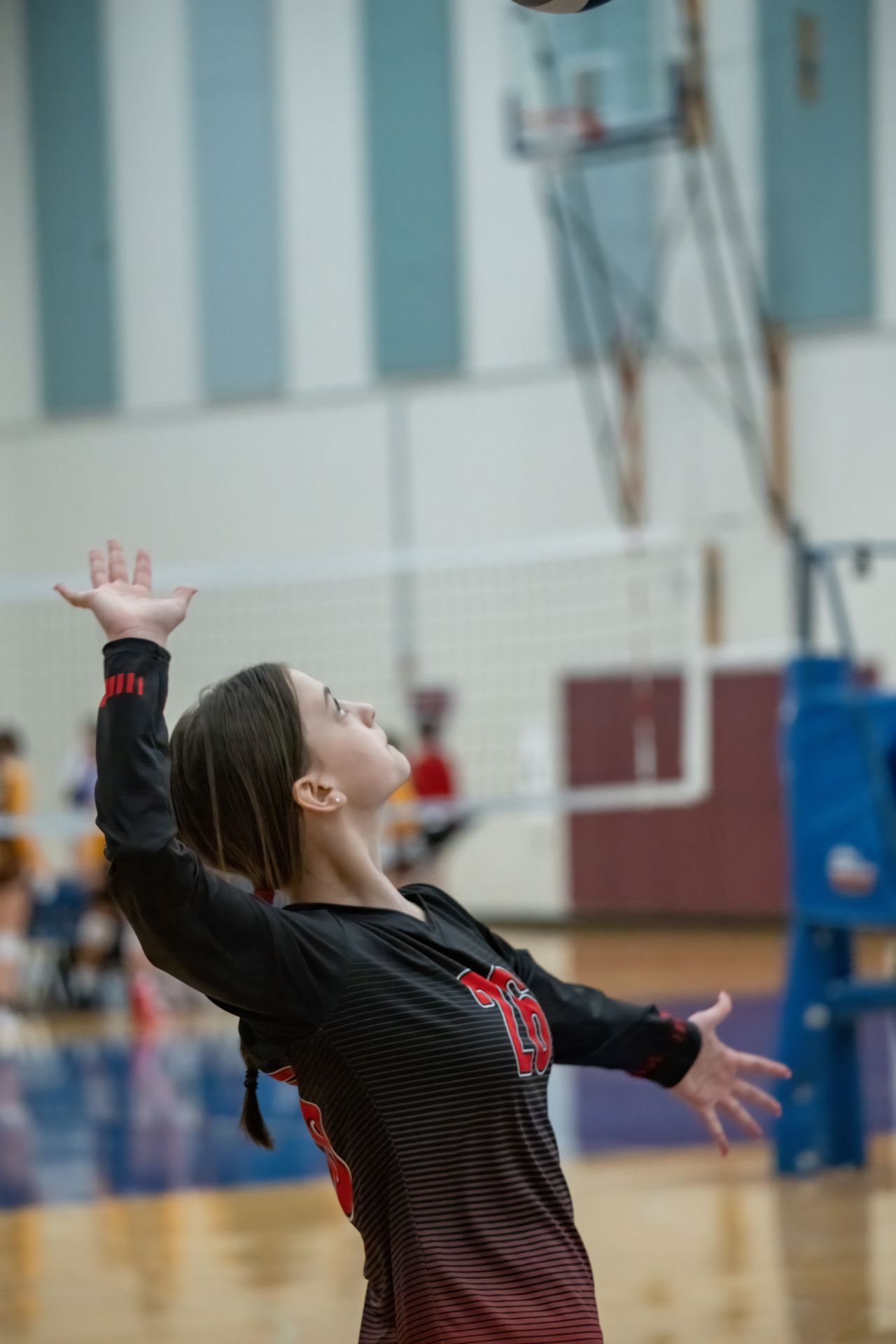
The libero changed volleyball by giving defense a permanent specialist. Before the position became part of the international game, teams still had great passers and defenders, but those skills had to fit inside the normal rotation rules. The libero created a different kind of player: quick, precise, vocal, and built to keep rallies alive without needing to attack at the net. That shift mattered because volleyball was becoming faster, more powerful, and more serve-driven. As jump serves, quicker offenses, and heavier attacks changed the sport, the libero helped teams survive the first contact and turn defense into a tactical foundation.
Before the Libero, Defense Had to Fit the Rotation
For much of volleyball history, every player had to carry a broader rotational burden. Front-row attackers rotated into the back row. Middle blockers, even if they were not natural passers, still had to serve, defend, and handle back-row responsibilities before eventually rotating forward again. Coaches could substitute, but substitutions were limited, and changing personnel too aggressively could create problems later in the set.
That structure made volleyball more rigid. Teams could hide weaker passers to a degree, but they could not fully separate attacking roles from defensive roles. A dominant middle blocker might control the net but become a target in serve receive. A powerful hitter might score points in the front row but struggle to stabilize the first contact from the back. The game rewarded all-around skill, but it also left coaches searching for a way to keep elite defensive players on the floor longer.
As the sport grew faster, that issue became more important. Serves became more aggressive. Attacks came from more angles. Rallies demanded quicker reactions and cleaner transitions. Volleyball needed a specialist who could absorb pressure, read hitters, and give setters more playable balls. The libero position answered that need.
How the Libero Changed Volleyball Defense
The libero is a back-row specialist who wears a different-colored jersey and operates under special rules. The position cannot attack the ball above the net, cannot block, and cannot serve in some rule sets, though serving rules vary by competition. The tradeoff is flexibility: the libero can replace back-row players, most often middle blockers, without counting against normal substitution limits.
That one change reshaped the sport. It allowed teams to keep their best defensive player involved across the match while preserving front-row size and attacking power. Middle blockers could focus more heavily on blocking and quick attacks, while liberos took over much of the passing and digging load in the back row.
The libero’s first job is usually serve receive. A clean pass gives the setter options. A poor pass narrows the offense and makes the attack easier to read. That means the libero often determines whether a team can run its full system or has to survive on emergency swings. In modern volleyball, the difference between a perfect pass and a scrambling pass can decide the point before the attack even happens.
The libero also changed defensive identity. Great liberos do more than dive for balls. They read shoulders, hands, approach angles, setter tendencies, and hitter rhythm. They organize the back row, communicate seams, cover tips, and extend rallies that should already be over. In long points, the libero can become the player who keeps structure from breaking down.
The position also made volleyball more specialized without making it less demanding. Liberos are not simply smaller players with fewer responsibilities. They carry constant pressure because mistakes in passing and defense are immediately visible. A missed serve receive can wreck a possession. A late defensive read can turn a manageable attack into a clean kill. The role asks for calm under pressure, quick movement, and technical consistency across hundreds of contacts.
Why the Libero Became Essential to Modern Volleyball
The libero’s legacy is visible in how modern teams are built. Coaches now think about defensive balance as a core part of roster construction. A team can have powerful attackers and strong blockers, but without stable passing, the offense becomes predictable. The libero helps connect the back row to the setter, and the setter to the attackers.
The position also changed what young players could aspire to become. Volleyball had always valued defense, but the libero gave defensive excellence a defined identity. Players who may not have had the height to become dominant attackers could still become central to elite teams through passing, digging, leadership, and reading the game. That made the sport more complete. It showed that a player could shape a match without being the one finishing the rally.
At the highest levels, the libero also helps explain why volleyball can look so fast and still remain controlled. Powerful serves do not automatically end points because elite liberos can absorb them. Heavy swings do not always score because elite defenders can read and extend rallies. Quick offenses remain possible because someone has to deliver the first clean ball.
The libero made volleyball more specialized, more tactical, and more resilient. It gave defense a visible role, not just as a reaction to attack, but as a skill that drives the entire system. Modern volleyball still celebrates big swings and dominant blocks, but the libero is often the reason a team gets the chance to run its offense at all.