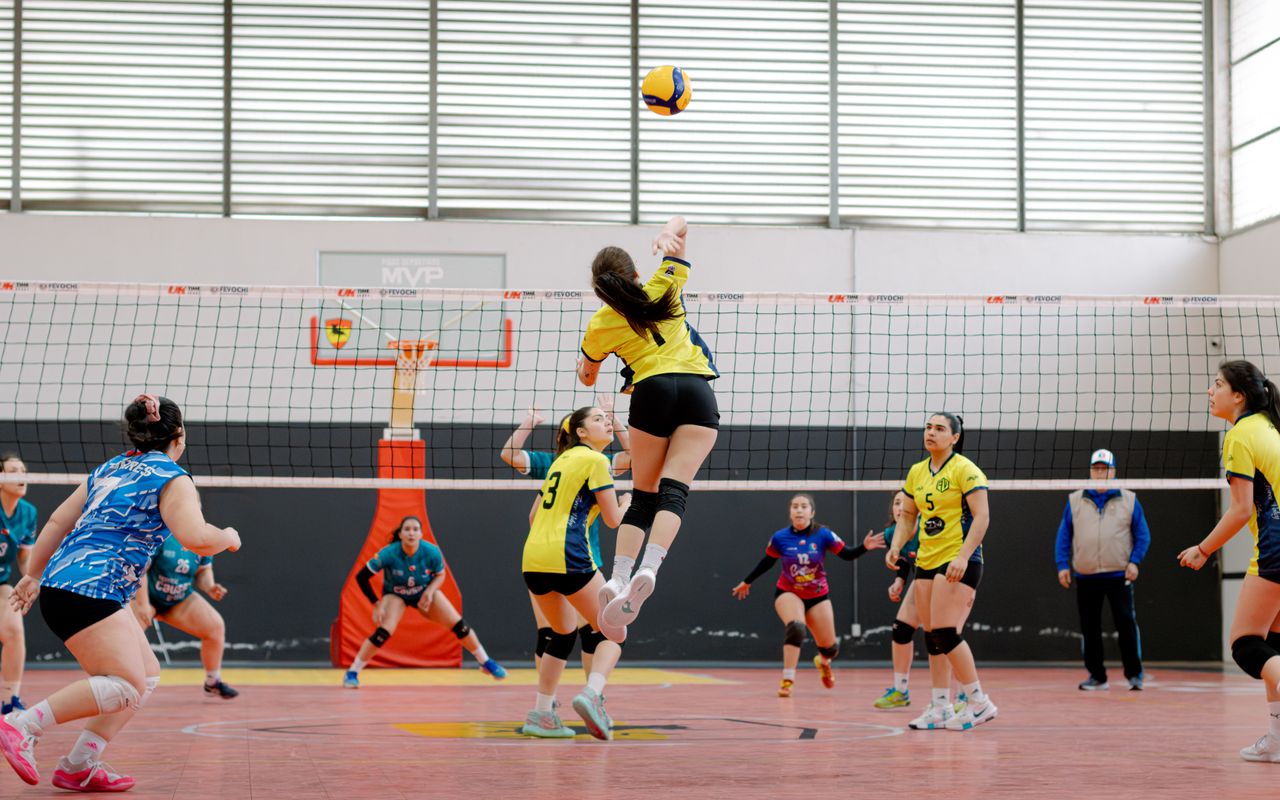
Volleyball challenge systems and replay drama became part of the sport because modern volleyball is too fast, too precise, and too important for every close call to rest only on the first view. A ball can brush a fingertip, catch a sideline, touch an antenna, or graze the net in a moment that decides a set. Video review did not remove controversy from volleyball, but it changed where the tension lives. Instead of every disputed call ending with a referee signal, elite matches now pause for a second look. That pause has become its own kind of pressure: players wait, coaches calculate, crowds react, and one replay can shift the emotional direction of an entire match.
The Speed of Volleyball Made Replay Almost Inevitable
Volleyball has always asked officials to judge tiny events at high speed. A hard-driven attack can change direction off a block before anyone in the arena fully processes the touch. A serve can land near the line by the width of a finger. A blocker can contact the net while the ball is still in play. A hitter can clip the antenna on a swing that looked clean from most angles.
As the sport became faster and more powerful, the cost of those calls grew. International matches, NCAA tournament matches, professional league matches, and Olympic-level contests can turn on one point late in a set. Because volleyball scoring gives every rally direct value, a missed line call is not just a small interruption. It can become the difference between serving at set point and defending one.
Challenge systems developed as a response to that reality. They gave teams a controlled way to question certain calls without turning every rally into an argument. The system does not review everything, and it does not make judgment disappear, but it gives the sport a formal mechanism for correcting the calls most likely to change a match.
Volleyball Challenge Systems and Replay Drama Changed the Rhythm of Big Points
The drama of video review comes from the pause. Volleyball is normally a rhythm sport: serve, pass, set, attack, defend, reset. A challenge interrupts that rhythm and forces everyone into a different kind of competition.
For players, the challenge can be emotional management. A hitter may know the ball touched the block. A blocker may believe the ball missed. A libero may be certain the serve caught the line. But certainty on the court does not always survive slow motion. The replay screen creates a public waiting room where confidence, doubt, and momentum all sit together.
For coaches, challenges are strategic resources. A coach has to decide whether the call is worth contesting, whether the moment is important enough, and whether the available angle is likely to prove anything. A challenge early in a set can protect a point. A challenge late in a set can protect the match. Used well, replay becomes part of match management. Used poorly, it can burn a valuable tool and give the other side time to settle.
The most common challenge moments also reveal what volleyball values most: line calls, block touches, net faults, antenna contacts, service foot faults, center-line actions, rotation issues, and other point-defining details. These are not side issues. They are the hidden architecture of the sport. Replay makes them visible.
Replay Made Volleyball Fairer Without Making It Simple
Video review has improved volleyball by giving officials and teams a better chance to get decisive calls right. It has also made fans more aware of how complicated the sport really is. A replay can show that a ball was in by a fraction, that a blocker barely touched the attack, or that a net contact happened during the action of playing the ball. These details matter because volleyball is built on narrow margins.
But replay has not removed disagreement. Some camera angles are imperfect. Some reviews are inconclusive. Some rules still require interpretation. Even when the decision is technically correct, the delay can change the emotional feel of a match. A team that celebrated a point may have to give it back. A crowd that thought the rally was over has to wait. A referee’s signal can be replaced by a longer sequence of review, explanation, and reaction.
That is why challenge systems have become more than officiating tools. They are now part of volleyball’s entertainment structure. They create suspense inside the match without adding a new rally. They give broadcasts a clear moment to analyze. They let fans see the same tiny details that coaches and players are arguing about. In a sport where momentum can move quickly, the replay screen has become one more place where pressure gathers.
Volleyball challenge systems and replay drama changed the sport by making close calls more visible and more reviewable. The system works because volleyball is a game of inches, touches, timing, and angles. Replay does not make the sport controversy-free. It makes the decisive details harder to ignore.