Charleston is one of the more natural volleyball cities in the American Southeast because its identity sits between beach culture, college athletics, junior development, and adult participation. It is not a massive volleyball market in the way Southern California is, and it does not carry the indoor college mythology of the Midwest. Charleston’s volleyball profile is more coastal and community-based. The sport fits the city because the city has the weather, beaches, campuses, and recreational rhythm to support both competitive and social versions of the game.
The result is a hybrid volleyball scene. Indoor volleyball matters through schools, clubs, and the College of Charleston. Beach volleyball matters because the Lowcountry has the geography and climate to make sand volleyball feel authentic rather than ornamental. Adult leagues and social play also play a larger role than they would in a purely school-driven market. Charleston volleyball is shaped by a coastal lifestyle, but it is not only a casual beach scene. It has college programs, recruiting ambition, junior training, and a growing competitive structure.
The College of Charleston as a Volleyball Anchor
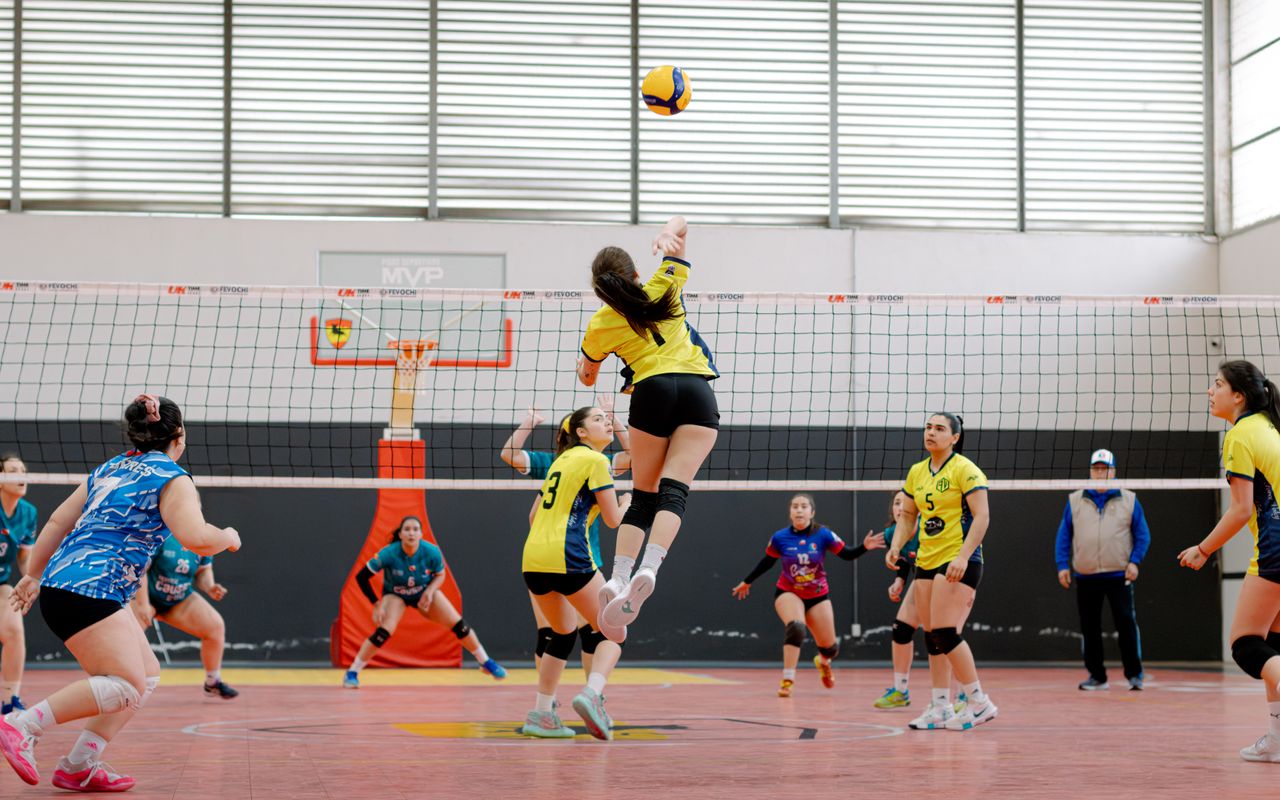
The College of Charleston gives the city its most visible volleyball institution. The Cougars sponsor women’s indoor volleyball, which anchors the sport inside the city’s Division I athletics landscape. For local athletes, that matters. A college program gives younger players a reference point for pace, physicality, and tactical organization. It also gives the city a team that represents Charleston in the broader college volleyball conversation.
The school’s beach volleyball program is even more important to Charleston’s identity. College beach volleyball is still a relatively young NCAA sport compared with indoor volleyball, and Charleston has been part of that landscape as the discipline has grown. The College of Charleston’s official beach volleyball page tracks the Cougars’ schedule, results, roster, and Sun Belt competition, giving the city a formal presence in a sport that matches the Lowcountry’s geography.
That dual indoor-beach presence is valuable. Many cities have indoor programs but little serious beach volleyball. Others have beach play but limited college structure. Charleston has both. The city can present volleyball as a gym sport and a sand sport, a school sport and a coastal sport, a women’s college sport and a community game. That range gives Charleston a broader volleyball identity than its population alone might suggest.
A Beach Volleyball City with a College Edge
Beach volleyball in Charleston is not just a recreational afterthought. The sport aligns with the city’s climate, its coastline, and its social sports culture. The Charleston area can support outdoor volleyball for much of the year, and the sand game fits naturally into the region’s athletic environment. For players, beach volleyball offers a different developmental experience from indoor: fewer substitutions, more responsibility, more ball contacts, and constant exposure to both offensive and defensive decisions.
The College of Charleston’s beach program gives this side of the sport a competitive anchor, while the wider adult and club scene gives it participation depth. Charleston Beach Volleyball & Social Club, for example, runs 4-on-4 coed adult beach volleyball leagues with A, BB, and B divisions, showing how the city’s beach game extends beyond college athletics into organized adult competition.
This matters because adult volleyball often keeps a local scene alive between school seasons and college matches. In Charleston, a former high school or college player does not have to leave the sport behind. Beach leagues, social competition, and organized sand play can keep players involved, which in turn supports coaching, officiating, local events, and the general visibility of volleyball in the city.
Junior Development in the Lowcountry
Charleston’s youth volleyball scene is shaped by the same forces that define much of the Southeast: school competition, travel clubs, college recruiting, and a growing appetite for year-round training. Junior volleyball has become one of the most important parts of the American volleyball landscape, especially for girls pursuing college opportunities. Charleston fits into that system through clubs that emphasize training, travel teams, recruiting support, camps, and skill development.
SC Elite Volleyball Club is one example of that structure in the Charleston area, advertising travel teams, college recruiting, camps, clinics, and training for athletes across age levels. Its public messaging around recruiting and scholarship outcomes reflects how serious the youth volleyball pathway has become in markets like Charleston.
The key point is that Charleston volleyball is not only about access to courts. It is about player formation. Young athletes need technical coaching, repeated competition, positional training, and exposure to stronger opponents. Outside hitters must learn to pass under pressure, setters must learn to run tempo, liberos must control serve receive, and middles must develop blocking footwork and transition timing. The city’s club structure helps turn volleyball from a school-season activity into a more complete athletic pathway.
A Southeastern Volleyball Crossroads
Charleston also benefits from its place within the larger Southeastern volleyball map. The region includes strong college programs, expanding beach volleyball schedules, high school competition, and a growing club circuit. Charleston can connect with South Carolina, North Carolina, Georgia, and the broader coastal Southeast. That regional context matters because volleyball development is rarely confined to one city. Players travel. Clubs seek stronger tournaments. College programs recruit regionally. Beach teams chase matchups across coastal events.
The city’s volleyball culture reflects that mix. A Charleston athlete might move between indoor club tournaments, high school matches, beach training, summer events, and college camps. The strongest players are often the ones who can transfer skills across settings: reading hitters indoors, managing wind outdoors, serving aggressively in both formats, and adapting to different styles of defense.
Charleston’s Volleyball Direction
Charleston’s future as a volleyball city looks strongest if it continues to embrace its hybrid identity. The indoor game gives the city developmental seriousness. The beach game gives it geographic authenticity. College programs give it visibility. Adult leagues give it continuity. Junior clubs give it a pipeline.
The city does not need to imitate a larger volleyball market to have a real identity. Charleston’s place in the sport is coastal, competitive, and increasingly organized. It has enough college structure to matter, enough beach culture to stand out, and enough youth development to keep producing players who can compete beyond local gyms. In volleyball terms, Charleston is at its best when it does not choose between indoor and beach. Its strongest identity comes from the fact that both versions of the sport belong there.