Bolivia’s volleyball identity is shaped by geography, regional competition, and a sports culture where volleyball has a visible but secondary place. Football dominates the national conversation, but volleyball has long had a presence in schools, clubs, universities, and community competition. The country is not a South American volleyball power on the level of Brazil or Argentina, yet it sits inside one of the world’s most serious volleyball continents. That context gives Bolivian volleyball both opportunity and difficulty.
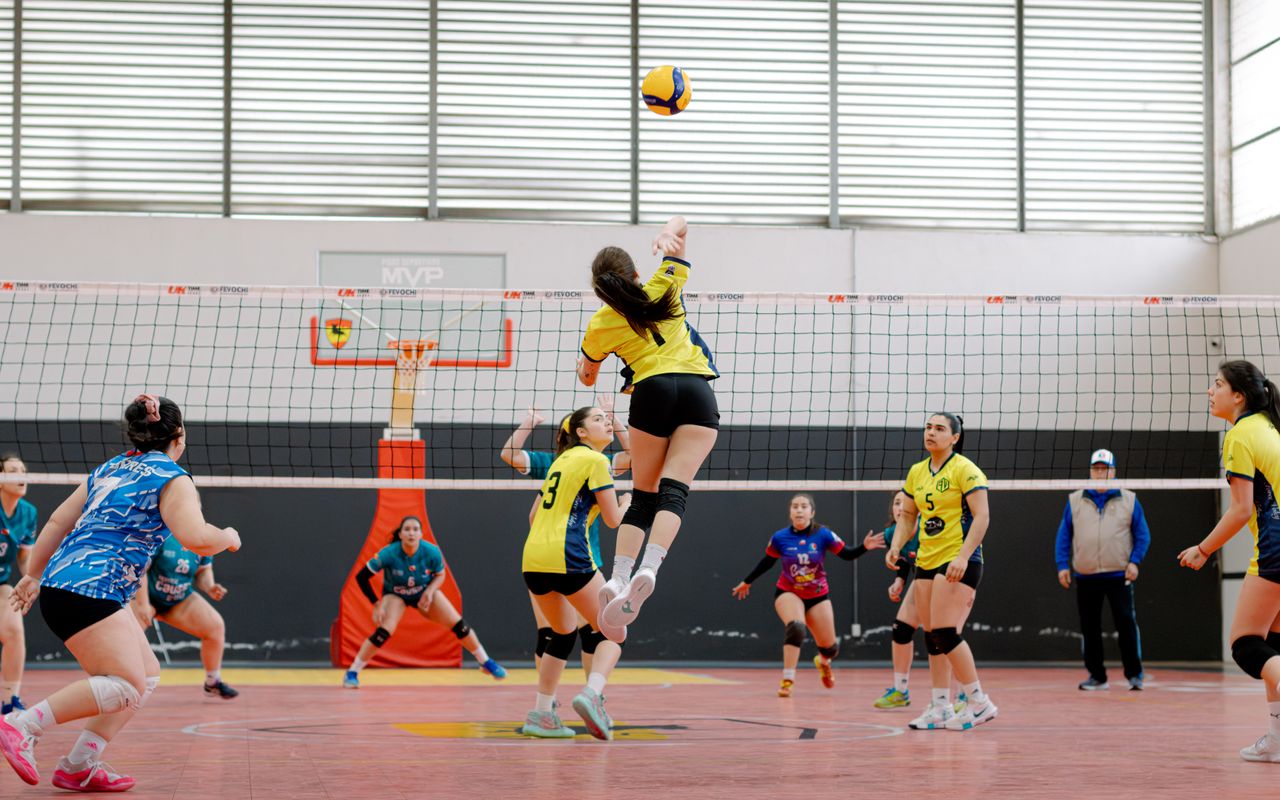
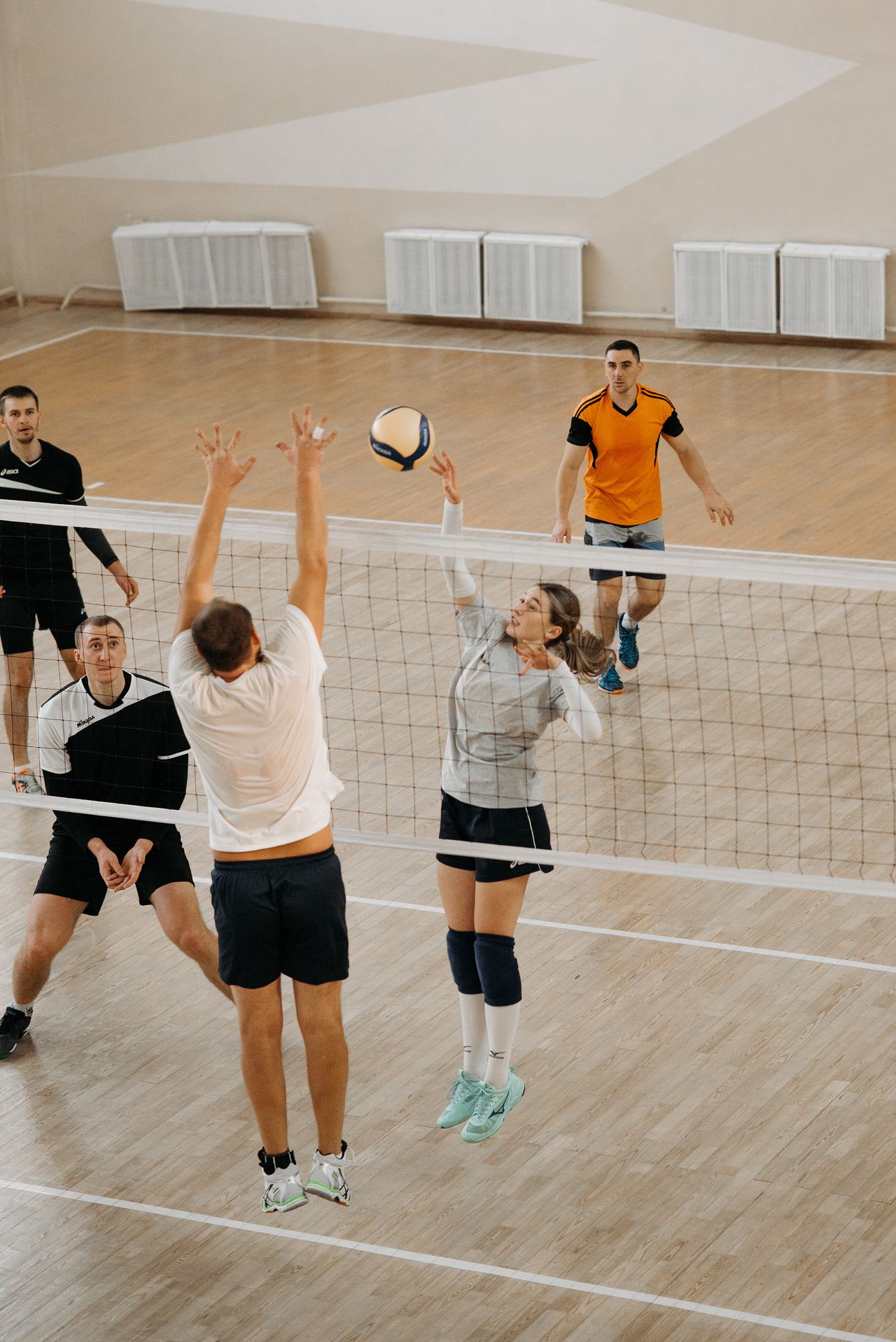
Indoor volleyball is the main frame for Bolivia. The sport is played across school and club environments, and its competitive structure connects into South American volleyball through the regional confederation system. Bolivia’s national teams have not been regular contenders for the highest continental honors, but participation in South American competition matters because it exposes players to stronger volleyball cultures. In a region where Brazil is a global giant and Argentina has produced elite national teams, Bolivia’s volleyball programs face a demanding standard close to home.
The country’s geography influences the volleyball scene in ways that are easy to overlook. Bolivia’s major population centers sit at altitude, and the national sports environment often revolves around cities such as La Paz, Cochabamba, Santa Cruz, Sucre, and others with different climates and sporting profiles. Volleyball can adapt well to that variety because it can be played indoors, in schools, and in multipurpose facilities. The challenge is not whether the sport can be played; it is whether athletes receive enough quality coaching, competition, and long-term development to close the gap with stronger regional opponents.
Bolivian volleyball has a clearer indoor profile than beach profile, although beach volleyball has a place in the country’s broader competitive opportunities. Because Bolivia is landlocked, it does not have the same beach-volleyball identity as Brazil, Argentina’s coastal areas, Chile, or Peru. Still, beach volleyball is not exclusively a coastal sport at the competitive level. Countries without major beach cultures can still field pairs in regional events when federations commit to the discipline. For Bolivia, beach volleyball is more of a specialized competitive branch than a national sporting identity.
The most important development question for Bolivia is how to strengthen the pathway from school and local volleyball into higher-level competition. Volleyball development depends on repeated technical training: first contact, setting accuracy, attacking tempo, blocking structure, serving pressure, and defensive organization. A country can have broad participation without producing strong national teams if that participation does not connect to organized coaching and regular competitive matches. Bolivia’s opportunity lies in using school, club, and federation structures to keep more athletes in serious training environments.
Bolivia’s volleyball story is not one of dominance, but it is also not one of absence. The sport has a place in the country’s athletic ecosystem and a regional platform that gives it meaningful benchmarks. The future depends on whether volleyball can become more visible, more organized, and more connected from youth levels to senior competition. In South America, the standard is high. For Bolivia, that makes the climb steeper, but it also gives the sport a clear picture of what higher-level volleyball looks like.