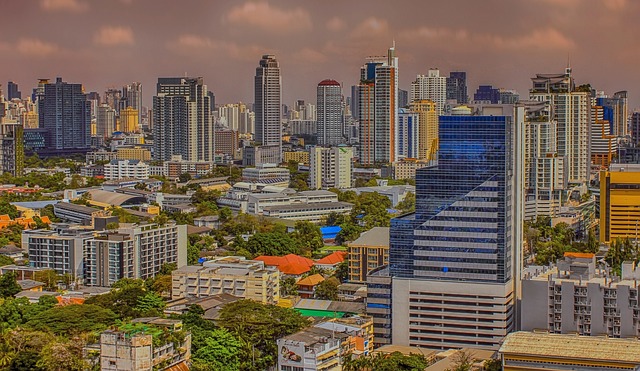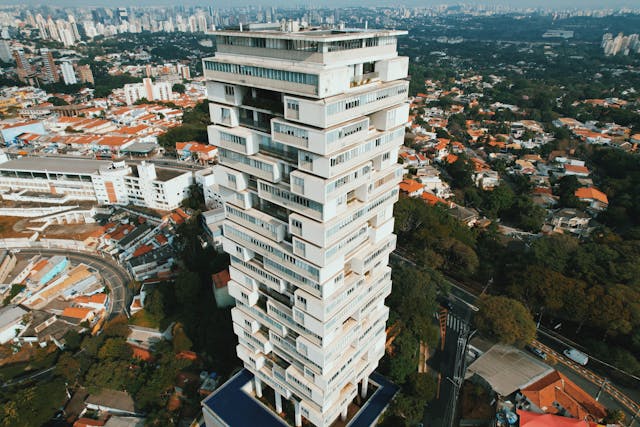
São Paulo is not just one of Brazil’s largest sports markets. It is one of the places where Brazilian volleyball becomes visible at scale. The city and its surrounding metro area sit inside a country where volleyball has long been a national strength, but São Paulo gives that national strength a distinctly urban shape. It is a city of clubs, gyms, schools, professional ambition, dense neighborhoods, and serious athletic infrastructure. Volleyball in São Paulo is not limited to one identity. It is indoor, beach-influenced, professional, school-driven, recreational, and deeply connected to Brazil’s broader reputation as one of the world’s great volleyball nations.
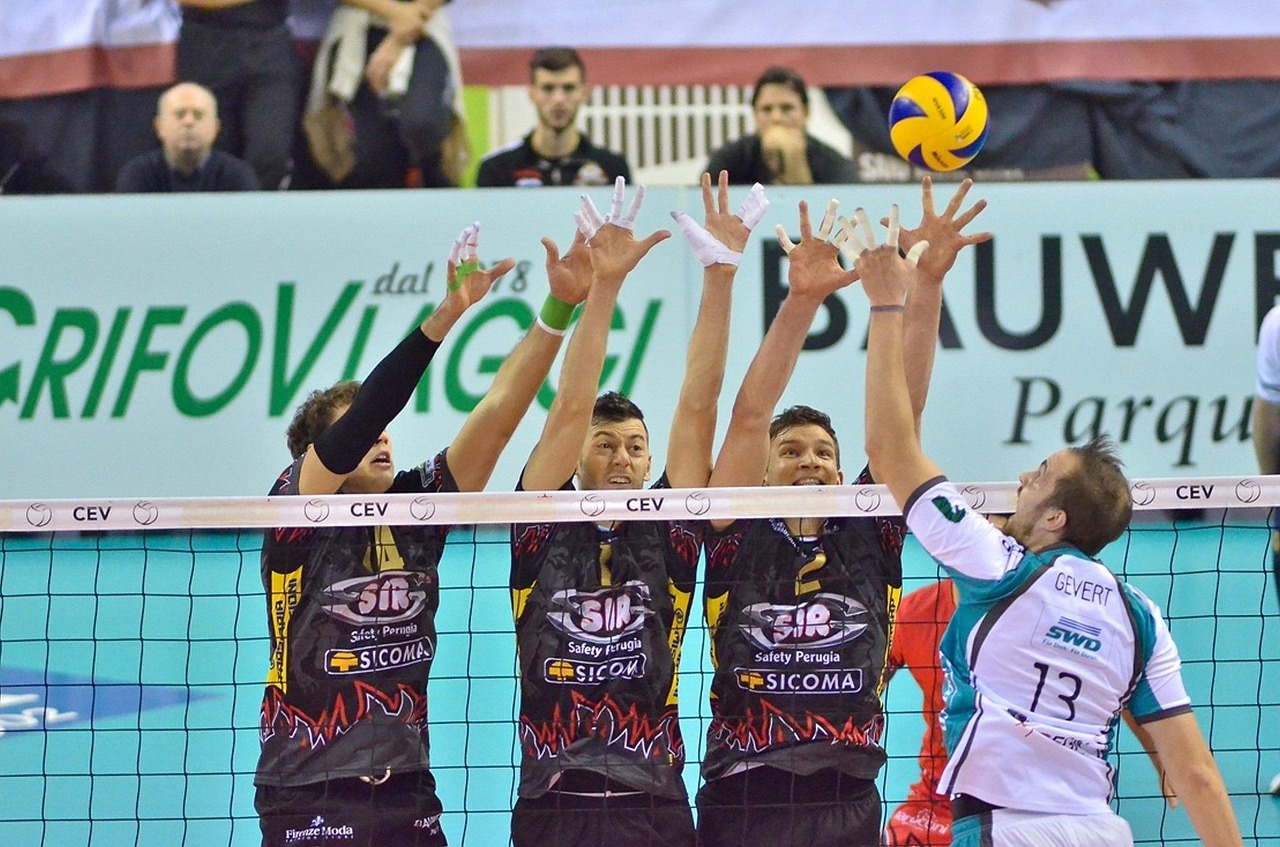
The first thing that defines volleyball in São Paulo is the seriousness of the indoor game. Brazil’s national volleyball culture is built around technical development, tactical maturity, and the expectation that good players understand the whole court. São Paulo fits that mold. The city has the facilities, population base, coaching knowledge, and club tradition to support high-level training from youth levels into adult competition. Players grow up around a sport that has genuine national visibility. Volleyball is not an obscure secondary activity here. It is part of the wider Brazilian sports conversation.
That does not mean volleyball competes with soccer on equal cultural footing, but it does mean that São Paulo volleyball benefits from a country that already knows how to care about the sport. Olympic success, professional leagues, national-team heroes, and a long history of Brazilian excellence give the local scene a higher ceiling. Young players in São Paulo are not developing in isolation. They are entering a volleyball ecosystem that has models, expectations, and a recognizable pathway toward elite competition.
Indoor Volleyball and the Club System
São Paulo’s volleyball identity is strongest indoors. The city’s private clubs, sports associations, school programs, and competitive teams create an environment where players can be exposed to organized volleyball early. In a city this large, volleyball is shaped by access as much as interest. Some athletes enter through schools. Others develop through club programs. Others find the sport through neighborhood gyms, community projects, or university-level competition. The result is a layered volleyball market, with recreational play at the bottom and elite training structures near the top.
The indoor game here reflects the Brazilian style: ball control, defensive range, smart setting, and versatility from pin hitters. Brazil has long produced teams that value rhythm and transition play. São Paulo’s better programs tend to fit that identity. Coaches look for athletes who can pass, defend, adjust to tempo, and read the game rather than simply hit hard. At higher levels, the difference is often in serve receive, floor defense, and the ability to turn broken plays into controlled attacking chances.
The São Paulo metro area has also been important because of its relationship to professional and high-performance volleyball. Clubs such as Pinheiros, SESI-SP, and the broader Greater São Paulo volleyball scene have helped make the region a serious part of Brazil’s competitive map. Osasco, located in the metro area, has been especially important on the women’s side, giving Greater São Paulo a strong association with elite club volleyball. These institutions matter because they show what the sport can look like when school participation, club development, professional ambition, and national competition are connected.
A Volleyball City Inside a Volleyball Country
São Paulo’s advantage is not only its size. It is the fact that it sits inside a country where volleyball has a clear national story. Brazil’s men’s and women’s national teams have been among the sport’s defining forces for decades, and that success filters down into local perception. When a country wins at the Olympic and world level, the sport gains legitimacy. Parents understand it. Schools take it seriously. Clubs can use it as part of their athletic identity. Sponsors and media have a reason to pay attention.
That national context gives São Paulo volleyball a particular intensity. The city does not need to invent volleyball culture from scratch. It inherits one of the strongest volleyball cultures in the world, then adds its own urban scale. São Paulo is a place where volleyball can be both aspirational and routine. A young athlete might watch the national team, follow a professional club, train in a serious youth program, and still play recreationally with friends. That mix is one reason the sport has such staying power.
Women’s volleyball has a particularly strong place in the Brazilian imagination, and São Paulo benefits from that visibility. The women’s indoor game in Brazil has produced some of the sport’s most recognizable athletes and most competitive teams. For girls in São Paulo, volleyball can be a credible performance sport, not merely a school activity. That matters at the development level. When young players can see a pathway from junior volleyball to elite clubs, university opportunities, professional teams, and national-team dreams, the sport gains depth.
Beach Influence Without Losing the Indoor Core
São Paulo is not Rio de Janeiro, and it is not defined by beach volleyball in the same visual way. Still, no serious volleyball profile of São Paulo can ignore the influence of beach volleyball on Brazilian sports culture. Brazil’s beach volleyball identity is one of the strongest in the world, and even inland urban volleyball markets absorb some of that culture. The sand game values ball control, court vision, stamina, and creativity under pressure. Those traits also translate back into indoor volleyball.
In São Paulo, beach volleyball is part of the broader recreational and competitive picture, especially through clubs, training centers, and travel to coastal areas. The city is close enough to the coast that beach culture is accessible, but its volleyball identity remains more indoor and institutional than beachfront. That distinction is important. São Paulo does not need to pretend to be a beach destination to be a major volleyball place. Its strength is the gym, the club, the program, and the competitive pipeline.
Outdoor volleyball still plays a role in how people experience the sport socially. Parks, clubs, and recreational spaces help keep volleyball visible beyond formal competition. For adult players, volleyball can be a serious training pursuit, a weekend activity, or part of a wider fitness culture. That flexibility gives the sport reach across age groups and skill levels.
Development, Pressure, and the Future
The future of volleyball in São Paulo is tied to the same factors that define the city itself: scale, inequality, opportunity, and competition for attention. The city has enough athletes, coaches, facilities, and institutional history to remain one of Brazil’s important volleyball centers. The challenge is making pathways broad enough that talent is not limited by geography or income. In a city this large, the next strong setter, libero, or outside hitter may come from a formal club system, a school gym, a community project, or a late-developing recreational background.
São Paulo’s ceiling remains high because volleyball here is connected to excellence. The city has a serious indoor tradition, access to elite Brazilian volleyball knowledge, and a population large enough to keep producing talent. Its best volleyball identity is not one single image. It is the crowded gym, the professional club, the school team, the technical training session, the athlete moving from local promise to national relevance. In São Paulo, volleyball is part of the machinery of Brazilian sport, and that machinery continues to produce players who understand that the game is won through control, speed, resilience, and intelligence.