Charlotte’s volleyball identity is built around growth. It is a school, club, and college volleyball market in one of the fastest-rising sports regions in the Southeast. Unlike a beach city, Charlotte does not lean on sand or coastal lifestyle. Unlike a traditional volleyball state capital, it does not have decades of national mythology surrounding the sport. Its volleyball scene is more modern: suburban clubs, college programs, private training, recruiting pathways, adult leagues, and a steady influx of families and athletes into the metro area.
That makes Charlotte a classic contemporary volleyball market. The sport grows because the city grows. More schools, more suburbs, more indoor facilities, more club athletes, and more college exposure all create a deeper volleyball environment. Charlotte’s volleyball story is not about one dominant dynasty or one legendary era. It is about infrastructure becoming denser over time.
A City with Multiple College Anchors
Charlotte’s college volleyball presence is one of its defining strengths. The Charlotte 49ers sponsor women’s volleyball, giving the city a Division I program tied to a large public university. The program’s official athletics page tracks the team’s schedule, roster, results, and news, placing volleyball inside the broader 49ers athletic identity. For local players, the program offers a visible example of college volleyball within the city itself.
Queens University of Charlotte adds another important layer. Queens sponsors women’s volleyball, and its athletics site gives the city another college program within the urban volleyball map. Queens also sponsors men’s volleyball, which is especially significant because men’s college volleyball remains less common than women’s volleyball in many parts of the country. A city with both women’s and men’s college volleyball has a fuller competitive identity than a market where boys and men have few visible pathways.
That college mix helps Charlotte stand out. The city has a Division I public university presence through Charlotte, a private university presence through Queens, and a regional college-sports environment that connects the metro to North Carolina, South Carolina, Georgia, Tennessee, and Virginia. Volleyball players in Charlotte do not have to imagine college volleyball from a distance. They can see it locally.
The Club Volleyball Engine
If college programs give Charlotte visibility, club volleyball gives it volume. Charlotte’s volleyball development is heavily shaped by junior clubs that train athletes outside the school season and connect them to travel competition, recruiting events, camps, and specialized coaching. This is where the city’s growth matters most. A growing metro creates more athletes, more families willing to invest in training, and more demand for structured volleyball opportunities.
Carolina Juniors Volleyball, for example, describes itself as a Charlotte volleyball club offering travel teams, local teams, clinics, lessons, and camps for different levels of play. That kind of club structure is central to how modern volleyball markets operate. It gives younger athletes a path beyond the school roster and gives serious players a way to sharpen skills against stronger competition.
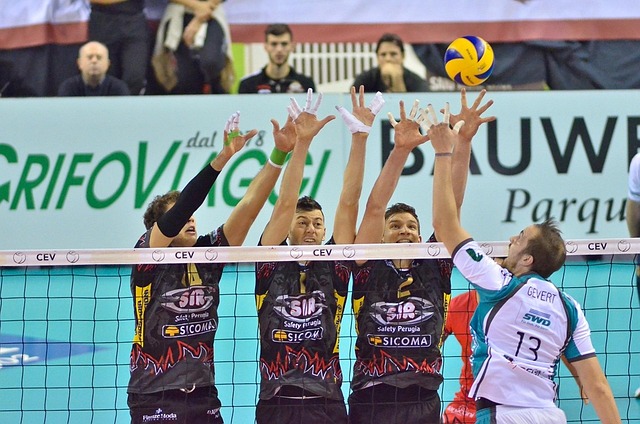
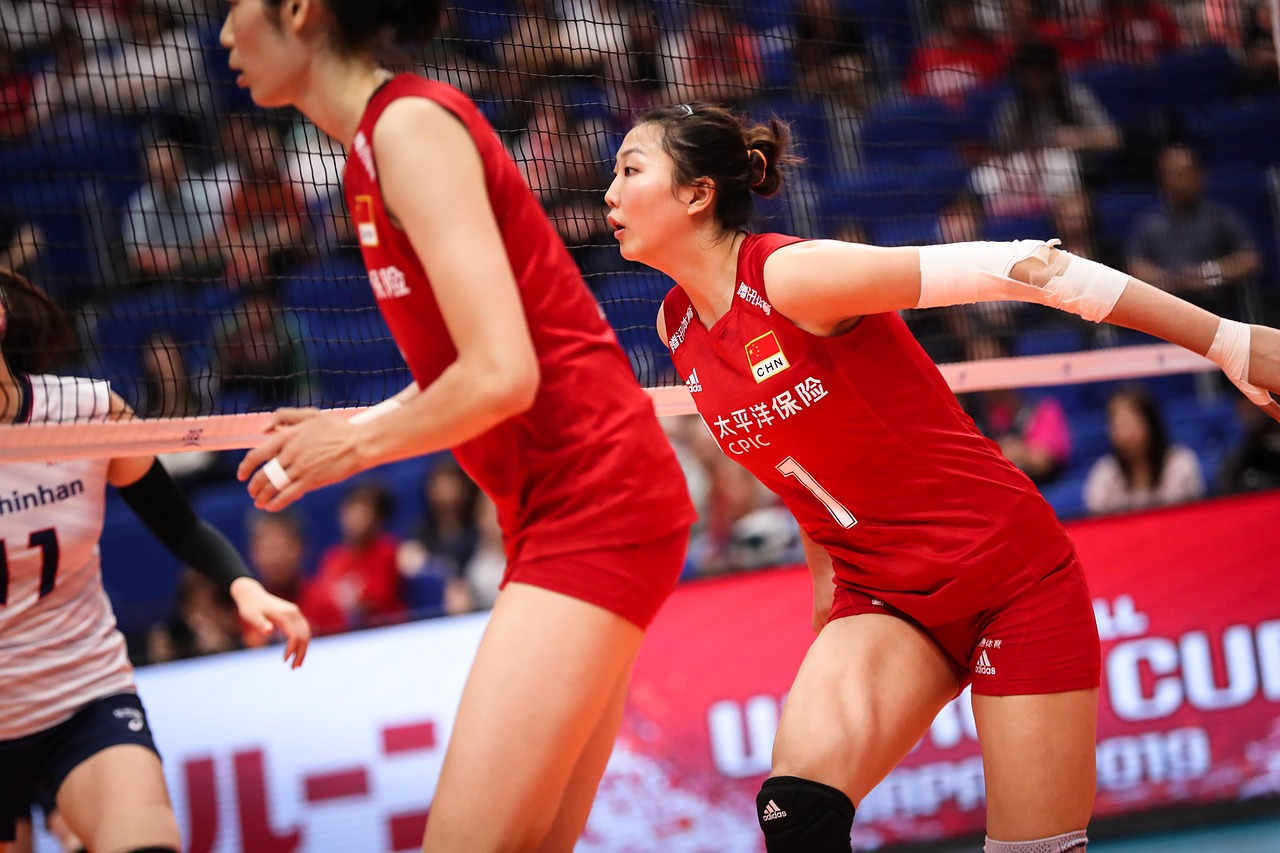
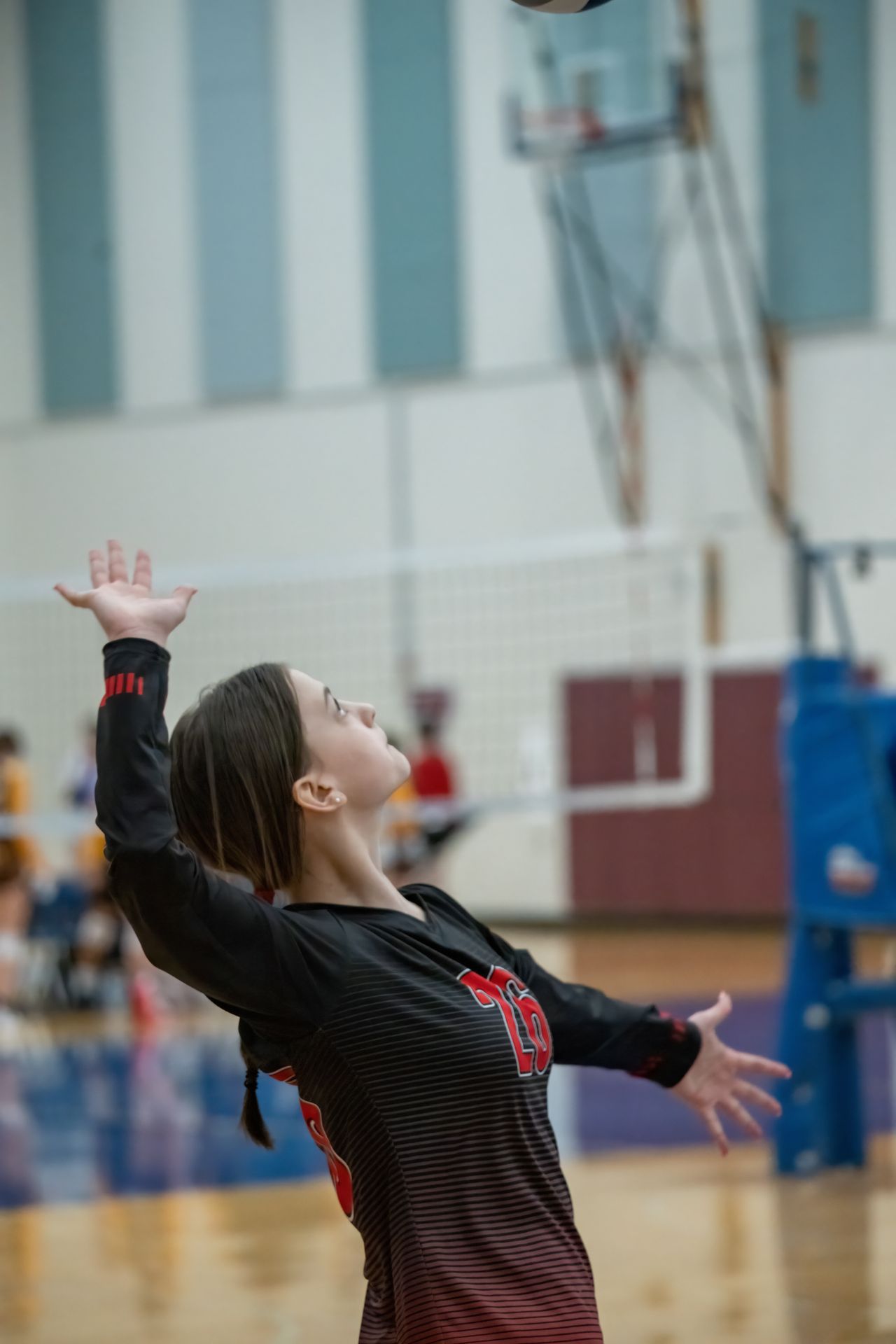
Club volleyball also changes how the sport is taught. Instead of relying only on a school season, athletes can train year-round. Setters get more reps running offenses. Liberos and defensive specialists face tougher servers. Middles develop blocking movement and quick-attack timing. Outsides learn to carry serve receive while still producing against organized blocks. The more advanced the club environment becomes, the more complete the local player pool becomes.
Charlotte as a Recruiting Market
Charlotte’s volleyball culture is increasingly tied to recruiting. This is true across much of the Southeast, where junior volleyball has become a major pathway into college athletics. Families often see club volleyball as part of a long-term process: skill development, tournament exposure, highlight film, campus camps, and communication with college coaches. In that environment, Charlotte’s size and location are advantages.
The city sits within reach of many college volleyball programs. North Carolina alone offers multiple levels of college competition, and the surrounding states add even more options. A Charlotte player can realistically look toward Division I, Division II, Division III, NAIA, or junior college opportunities depending on ability, academic fit, position, and recruiting timeline. That breadth gives the sport more staying power because not every successful player needs to be a national recruit. Many can find the right competitive level within the broader region.
Charlotte also benefits from being a business and relocation hub. New families arrive, school districts expand, and athletic facilities follow population growth. Volleyball thrives in that environment because it is a gym-based sport that can scale through schools, clubs, churches, recreation centers, and private facilities. The more organized the market becomes, the more volleyball can compete for athletes who might otherwise choose basketball, soccer, lacrosse, or softball.
The Men’s Volleyball Opportunity
One of Charlotte’s most interesting volleyball advantages is the presence of men’s college volleyball at Queens. Boys’ volleyball has been expanding in different parts of the United States, but access remains uneven. In many markets, boys who like volleyball have fewer school teams, fewer clubs, and fewer visible role models than girls do. A local men’s college program can help change that perception.
For boys in Charlotte, Queens men’s volleyball offers proof that the sport can extend beyond casual play. It gives them a local reference for faster tempo, bigger serving, stronger blocking, and the physicality of the men’s college game. It also gives coaches and clubs a stronger argument for investing in boys’ development. When a metro has a men’s college program, boys’ volleyball feels less like a side activity and more like a legitimate pathway.
This could become a meaningful part of Charlotte’s volleyball future. The city already has the population base and athletic culture to support growth. If boys’ volleyball expands more broadly through schools and clubs, Charlotte could become one of the stronger men’s volleyball development markets in the Carolinas.
A Volleyball City Still Taking Shape
Charlotte volleyball is not finished forming its identity. That is part of what makes it interesting. Some volleyball cities are defined by legacy. Charlotte is defined by momentum. Its college programs are visible. Its club scene is active. Its school and suburban base is large. Its regional geography is useful. Its men’s volleyball pathway has room to grow.
The next stage for Charlotte volleyball will depend on how well these pieces connect. If junior clubs continue to develop strong athletes, if school volleyball remains healthy, if college programs stay visible, and if boys’ opportunities expand, Charlotte can move from being a growing volleyball market to being a recognized regional hub. It already has the bones of that identity.
Volleyball in Charlotte is ultimately a reflection of the city itself: expanding, competitive, increasingly organized, and still defining how high its ceiling can be. It is not a beach volleyball destination or an old-school volleyball capital. It is a modern indoor volleyball market with the population, college presence, and club infrastructure to keep climbing.