São Tomé and Príncipe is an emerging volleyball country, with a scene shaped by geography, limited infrastructure, and the broader sports culture of the Lusophone world. Volleyball does not occupy the same public space as football, but it has qualities that make it useful in a small island nation: it can be played indoors or outdoors, it adapts to schools and community settings, and beach volleyball has an obvious natural fit in a country defined by coastline, warm weather, and compact communities.
The country’s volleyball identity is not built on major international results. It is built on participation, development, and the possibility that volleyball can give young athletes another competitive pathway. In smaller African island nations, that often matters more than rankings. A functioning volleyball structure can create opportunities for school sport, women’s participation, regional tournaments, and youth competition even when elite resources are limited.
Lusophone Sport and Regional Competition
São Tomé and Príncipe’s volleyball context is partly African and partly Lusophone. As an African volleyball country, it sits within the CAVB framework, where national federations are grouped into zones for regional development and competition. The CAVB structure matters for countries like São Tomé and Príncipe because regional events can provide more realistic competitive steps than jumping directly into continental championship environments dominated by larger volleyball nations.
The Lusophone connection also gives São Tomé and Príncipe a meaningful sporting neighborhood beyond geography. The Lusofonia Games have historically included Portuguese-speaking countries and have featured both indoor volleyball and beach volleyball among their sports. For a country with limited global volleyball visibility, these shared-language competitions can be valuable because they create competitive settings where São Tomé and Príncipe is not simply a small nation trying to enter a much larger continental field.
That identity is important. São Tomé and Príncipe is not trying to mirror Brazil or Portugal’s volleyball structures. It is trying to build a version of the sport that fits its own scale: school-accessible, community-driven, and capable of using regional events as development targets.
Indoor Volleyball and the Development Problem
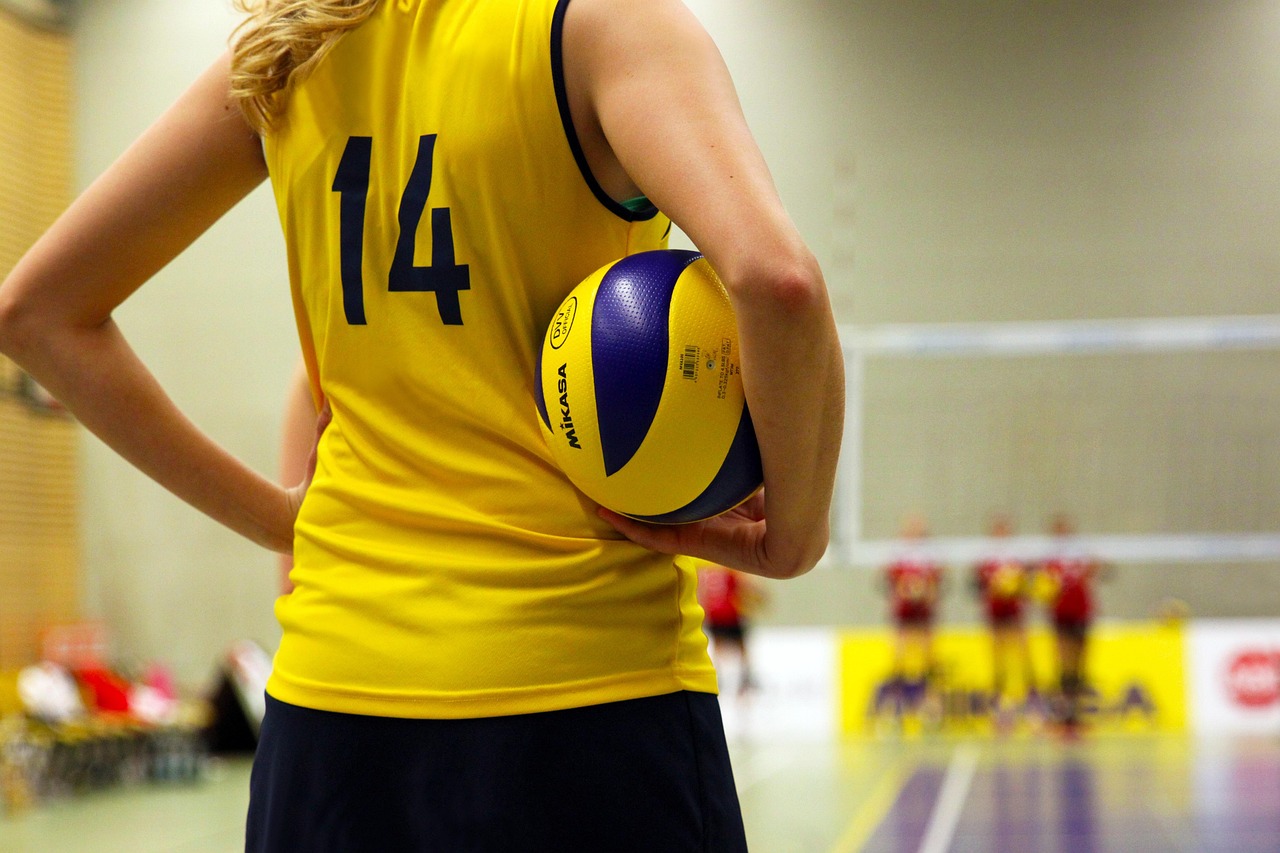
Indoor volleyball in São Tomé and Príncipe depends heavily on facilities, coaching, and consistency. The sport requires more technical instruction than many casual games. Serve receive, setting, blocking footwork, defensive positioning, and transition offense all need repetition. In a small player pool, a lack of trained coaches or reliable gym access can slow development quickly.
That does not make the sport unsuitable. It means the pathway has to be realistic. Schools are likely the most important entry point because they can introduce basic technique and team play. From there, the sport needs clubs, community programs, and federation-led initiatives that keep athletes involved after the first stage of exposure. Without that middle layer, volleyball remains occasional rather than developmental.
The women’s game may be especially important. Across many emerging volleyball countries, women’s volleyball often becomes a strong competitive lane because the sport provides a structured team environment, clear technical progression, and regional tournament opportunities. If São Tomé and Príncipe can connect schools, clubs, and national representation, volleyball can become more than a recreational option.
Beach Volleyball as the Natural Opening
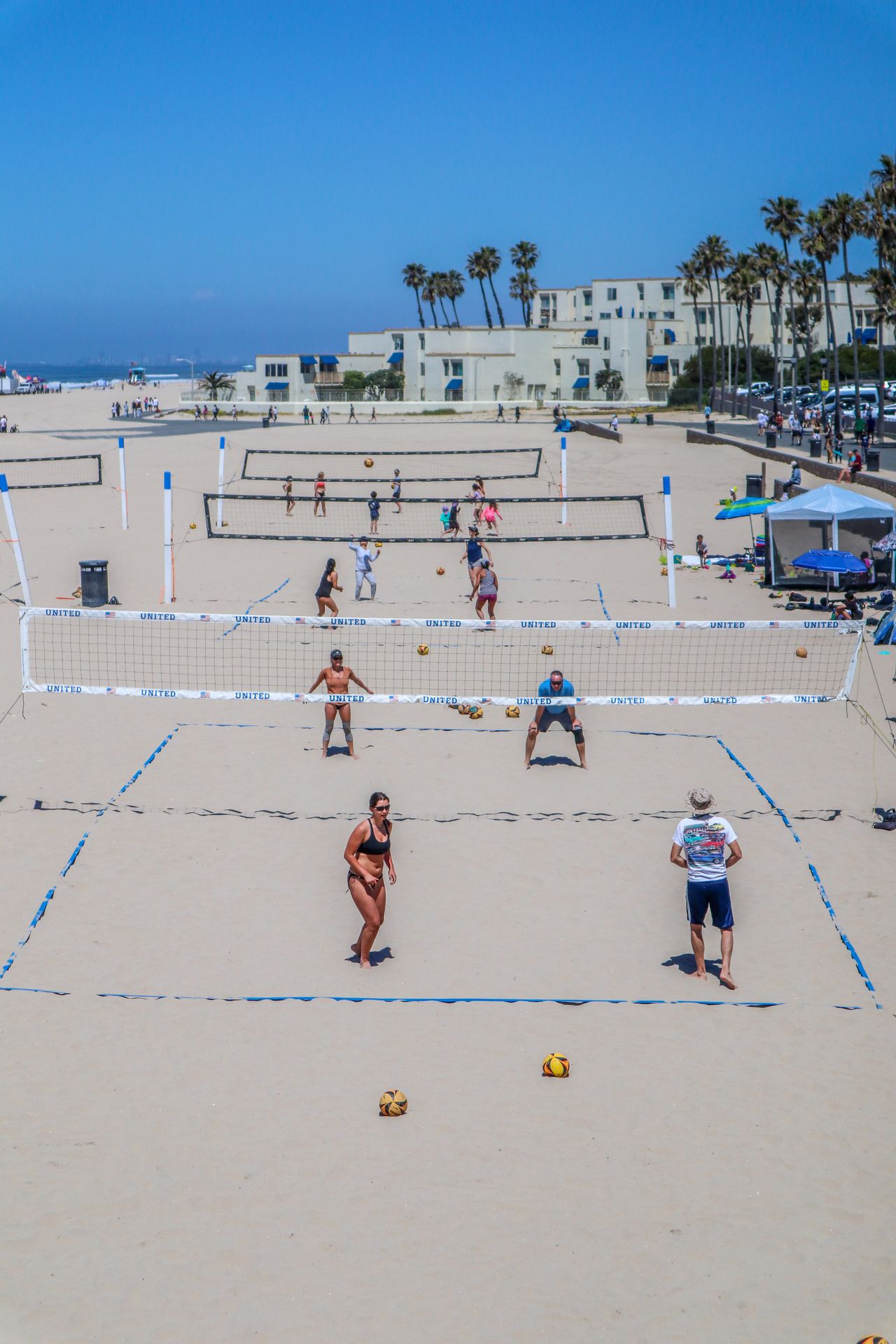
Beach volleyball may be São Tomé and Príncipe’s most logical growth discipline. It requires fewer players per team, fits the country’s coastal environment, and can offer a clearer route into regional and youth events. A strong beach pair can develop faster than a full indoor national team because the roster burden is smaller and the training model is more focused.
The sport also suits island conditions. Ball control, serving, defensive reading, and conditioning become central. Athletes who grow up around outdoor sport can adapt well if coaching is available. For São Tomé and Príncipe, beach volleyball should not be treated as a secondary version of indoor volleyball. It may be the country’s best competitive identity.
The Road Ahead
The future of volleyball in São Tomé and Príncipe depends on whether the sport can move from scattered participation to organized development. The country does not need a large professional system to make progress. It needs coaching education, youth competitions, equipment, school partnerships, and regular regional exposure.
If those pieces develop, São Tomé and Príncipe can build a serious small-nation volleyball culture. Its best opportunity is likely a hybrid model: indoor volleyball for schools and community participation, beach volleyball for visibility and international access, and regional competition as the bridge between local play and continental ambition.